
Last updated on August 25th, 2026 at 01:45 pm
The Engine Control Module and Powertrain Control Module in your 2014 Nissan Sentra serve as the central computer that manages engine operation, transmission shifting, emissions controls, and fuel delivery. When this module fails internally, your vehicle may exhibit drivability problems or refuse to start entirely.
If your 2014 Nissan Sentra has developed starting issues, running problems, or is setting fault codes that point toward the control module, you are likely facing a scenario that many Sentra owners encounter after several years of service. The Powertrain Control Module and Engine Control Module in this vehicle represent the brain of the engine management system, and when these components experience internal failures, the results can range from subtle drivability concerns to complete no-start conditions. This guide explains what these modules do, where they are located, what the replacement process involves, and how programming works after installation. You will gain a clear understanding of the symptoms associated with module failure, the labor involved in replacement, and why choosing a pre-programmed replacement unit can simplify your repair. Whether you are diagnosing a current problem or planning ahead, the information here helps you make informed decisions about your 2014 Nissan Sentra’s engine computer system.
The Engine Control Module in your 2014 Nissan Sentra with the 1.8L four-cylinder engine functions as the primary computer responsible for managing the engine’s operating parameters. This module monitors inputs from dozens of sensors throughout the powertrain, processing data regarding air intake, coolant temperature, throttle position, oxygen sensor readings, and crank position. Based on this information, the ECM calculates optimal fuel injection timing and duration, controls ignition spark advance, manages the idle air control system, and regulates emissions control devices including the evaporative emission purge valve and catalytic converter efficiency monitoring.
The Powertrain Control Module, which may be referenced separately depending on your specific transmission configuration, handles additional responsibilities related to transmission shifting and torque converter lockup. In some applications, these functions are integrated into a single unit referred to as the PCM. The distinction matters when sourcing replacement parts because your vehicle may require either an ECM-specific unit or a combined PCM depending on how it was originally equipped at the factory.
When either of these modules experiences an internal electrical failure, the consequences affect multiple vehicle systems. Internal failures can corrupt the module’s memory programming, damage its processor, or cause intermittent communication losses with the vehicle’s network. Unlike sensor failures which often produce specific symptoms tied to that sensor’s function, module internal failures frequently cause vague complaints such as intermittent no-start conditions, random stalling, or multiple unrelated fault codes appearing simultaneously. The module relies on stable reference voltages and ground circuits to function properly, and when its internal components degrade, these fundamental operating parameters can no longer be maintained consistently.
For owners seeking replacement engine computers for the Sentra, understanding whether your vehicle requires an ECM, PCM, or combined unit depends on verifying the original equipment specification through your vehicle identification number and transmission type.
2014 Nissan Sentra
OEM programmed ECM for your 2014 Nissan Sentra — plug & play, no dealer visit.
Free shipping · Lifetime warranty
The Engine Control Module and Powertrain Control Module on the 2014 Nissan Sentra are located inside the vehicle cabin, mounted in the area behind the center console or beneath the driver’s side dashboard panel. Access typically requires removing interior trim panels and dashboard components to reach the unit, which is secured to the vehicle body with mounting bolts.
Replacement involves disconnecting the battery negative terminal first as a safety precaution, then removing the mounting hardware and carefully extracting the module while disconnecting its electrical harness. The harness connector on this model uses multiple rows of pins that must be released without bending, and the connector seal should be inspected for damage or corrosion during removal.
Labor time for removal and reinstallation of the control module is listed at 1.4 hours in standard labor guides. This time covers the physical R&R portion only and does not include any programming or relearn procedures that may be required afterward. After the new module is installed, the vehicle will require some form of post-installation procedure to establish communication between the new computer and the rest of the vehicle systems, though the specific requirements depend on whether you select a unit that arrives pre-programmed with your vehicle’s information.
The mounting location inside the cabin provides some protection from underhood heat and moisture exposure, but the module remains susceptible to electrical stress from voltage fluctuations in the vehicle’s charging system and can still be affected by water intrusion through the HVAC system or windshield seal areas.
| Operation | Configuration | Book Time |
|---|---|---|
| Powertrain Control Module R&R | All configurations | 1.4 hr |
| Powertrain Control Module Relearn | All configurations | 0.5 hr |
| Engine Control Module R&R | All configurations | 1.4 hr |
| Engine Control Module Reset | All configurations | 0.3 hr |
| Engine Control Module Relearn | All configurations | 0.5 hr |
After installing a replacement control module in your 2014 Nissan Sentra, the factory procedure requires performing what is commonly referred to as a relearn or reset procedure. This process allows the new module to adapt to your specific vehicle’s engine characteristics, learn idle air control values, initialize emissions monitoring cycles, and establish communication with the transmission control module if applicable. For this vehicle, the ECM reset procedure is assigned 0.3 hours of labor time, while the ECM relearn procedure requires an additional 0.5 hours. When a separate powertrain control module is used, the relearn procedure for that unit requires 0.5 hours of dedicated time.
The relearn process typically involves using a scan tool to command the module through initialization routines while the engine is running at operating temperature. The procedure may include throttle position calibration, fuel trims reset, and verification that all sensor inputs are reading within expected ranges. Without completing this procedure, the vehicle may exhibit drivability concerns such as rough idle, hesitation under acceleration, or elevated fuel consumption.
However, when you obtain a VIN-programmed replacement unit from Flagship One, the module arrives pre-configured with your specific vehicle identification number already programmed into its memory. This means many of the initialization steps that would normally require dealer-level scan tool procedures and additional labor hours have already been completed before the module reaches your installer. The result is a more straightforward installation process with less time spent on post-installation programming procedures.
When the Engine Control Module or Powertrain Control Module in a 2014 Nissan Sentra begins to fail, the symptoms often develop gradually and may initially seem intermittent or mysterious. One of the most common presentations is a no-start condition where the engine cranks normally but fails to fire, sometimes accompanied by multiple unrelated fault codes stored in the module’s memory. The vehicle may start and run normally for days or weeks before suddenly exhibiting the problem again, making diagnosis challenging.
Engine stalling represents another frequent complaint associated with module failures. The vehicle may stall unexpectedly at idle, particularly when the engine is warming up or when electrical accessories are placed under load. This stalling often resolves temporarily once the engine reaches normal operating temperature, only to return under specific conditions. The underlying cause relates to the module’s inability to maintain stable idle air control or fuel delivery calculations.
Misfire codes are commonly set when the module experiences internal processing errors that cause incorrect fuel delivery or ignition timing. Codes such as P0300 for random/multiple cylinder misfire or specific cylinder misfire codes may appear without any obvious mechanical cause. Additionally, scan tool communication failures occur when the module cannot maintain proper data bus communication, resulting in incomplete diagnostic information or an inability to access certain vehicle systems.
Transmission shifting issues may also manifest when the powertrain control module portion fails, including harsh shifting, delayed engagement, or the transmission stuck in a failsafe mode. These symptoms often combine with engine-related complaints since the two modules share data and coordinate shift strategies. If your vehicle is displaying internal memory fault, this specific code indicates that the module has detected an internal problem with its own memory system, suggesting the unit itself requires replacement rather than repair of external circuits.
The 2014 Nissan Sentra may store module-internal trouble codes when the ECM or PCM detects faults within its own circuitry. One such code documented for this vehicle is P0605, which indicates an internal non-volatile memory fault within the control module. This code typically requires module replacement rather than component-level repair, as it points to permanent damage within the module’s internal programming or memory storage systems.
| Code | Meaning | Full Guide |
|---|---|---|
| P0605 | Internal ROM error | Full P0605 guide → |
No. The replacement module must match your vehicle’s specific configuration, including the correct part number for your engine size, transmission type, and emission system. Additionally, the module must be programmed with your vehicle’s VIN to communicate properly with the rest of the car’s systems.
While the physical removal and installation of the module is within the capability of a competent DIY mechanic with basic tools, the post-installation programming requirements typically necessitate professional equipment. However, purchasing a pre-programmed unit from Flagship One significantly reduces the technical complexity of the job.
The new module must learn your specific vehicle’s engine characteristics, idle air control values, and fuel trims to operate properly. Without this relearn procedure, the engine may run poorly, stall, or exhibit elevated emissions. The programming also verifies that the module can communicate with other control modules on the vehicle network.
The ECM primarily handles engine management functions including fuel delivery and ignition timing, while the PCM typically combines these functions with transmission control. Your specific vehicle may use one integrated unit or separate modules depending on how it was equipped from the factory.
A properly functioning replacement ECM from a reputable supplier should last for the remaining life of the vehicle, similar to the original unit. The lifespan depends largely on maintaining good electrical system health, including a properly functioning charging system and clean ground connections.
When faced with a failed control module on your 2014 Nissan Sentra, you have two primary paths forward. You may choose to obtain a refurbished unit from a junkyard, which would require you to arrange programming separately, often at significant additional cost and time. Alternatively, purchasing a new or quality refurbished replacement from Flagship One that arrives already programmed with your VIN eliminates much of this hassle and ensures the unit is tested and ready for installation. Given the location inside the cabin and the programming requirements involved, many owners find the convenience of a ready-to-install unit worth the investment over sourcing an unprogrammed part and coordinating separate programming services.
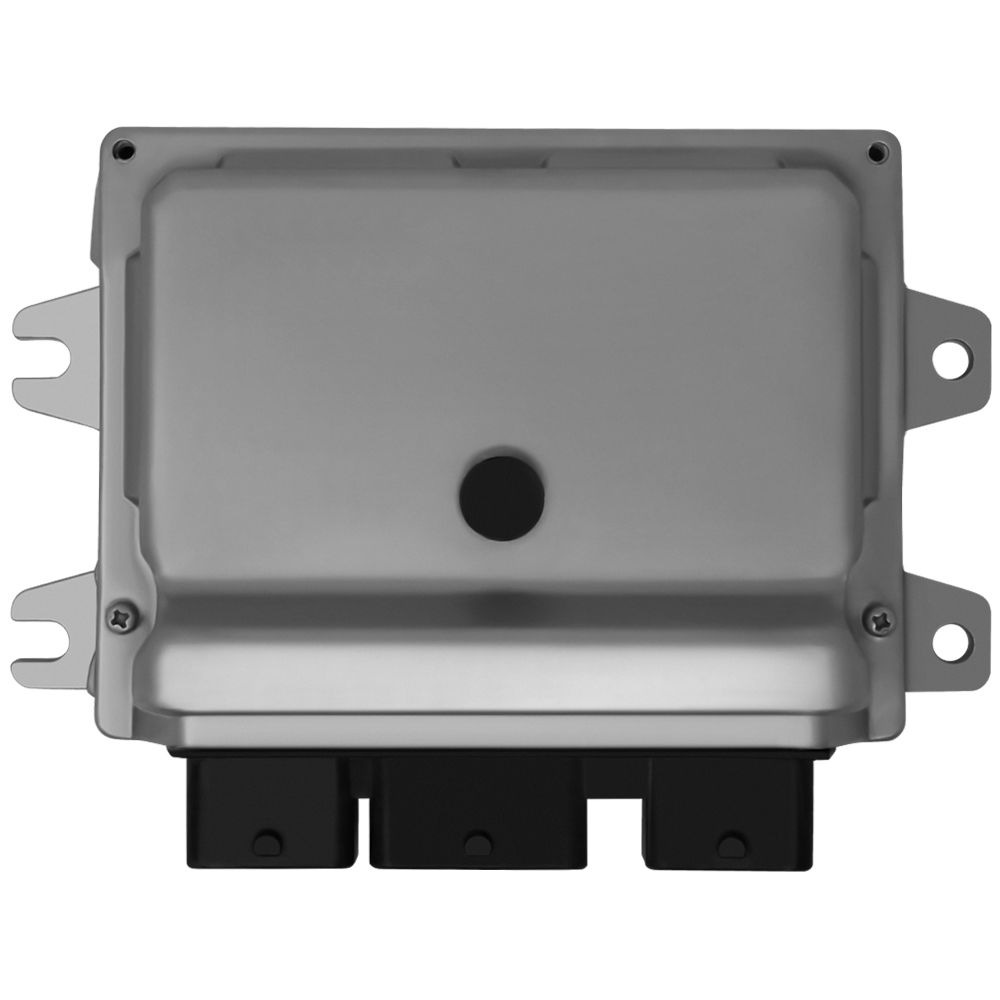
Flagship One stocks a refurbished, VIN-programmed PCM for the 2014 Nissan Sentra with a lifetime warranty, free shipping and no core charge. The full Nissan Sentra module lineup covers other engine configurations as well.
The Engine Control Module and Powertrain Control Module in your 2014 Nissan Sentra represent critical components that manage your engine’s operation and, when they fail, can leave you stranded or facing costly repairs. Understanding the symptoms, replacement procedures, and programming requirements helps you approach this repair with realistic expectations. Whether you ultimately choose a DIY approach with a pre-programmed unit or professional installation, having this knowledge ensures you make the best decision for your specific situation and your 2014 Nissan Sentra.