
Last updated on August 25th, 2026 at 01:45 pm
In the 2013 Nissan Rogue, the Powertrain Control Module (PCM) and Engine Control Module (ECM) manage engine timing, fuel delivery, and transmission shifting. A failure typically stems from internal circuit damage, voltage spikes, or corrosion, which can interrupt communication and trigger fault codes such as P0605.
When a 2013 Nissan Rogue begins to exhibit erratic performance, loss of power, or a persistent P0605 code, the underlying issue often points to the vehicle’s control computers. Understanding how the Powertrain Control Module and Engine Control Module operate in this model helps you assess the repair path and avoid unnecessary downtime. This guide walks you through what each module does, where they reside, the labor involved in swapping them, and why factory‑programmed replacements from Flagship One can streamline the process. By the end, you should know the typical symptoms, the steps required for a proper reinstall, and how to protect the new units for reliable operation.
2013 Nissan Rogue Powertrain and
OEM programmed replacements — plug & play, no dealer visit.
Find yours by year, make & model →
Free shipping · Lifetime warranty
The Powertrain Control Module in the 2013 Nissan Rogue coordinates engine and transmission functions, while the Engine Control Module fine‑tunes fuel injection and ignition timing. Both modules receive sensor data and issue commands to maintain optimal performance, making them critical for smooth acceleration and fuel efficiency. When internal circuitry degrades, the modules may lose communication, leading to fault codes and reduced drivability. A proper replacement PCM for 2013 Rogue ensures the vehicle can continue to meet emissions standards and deliver expected power output.
The PCM and ECM are mounted within the engine compartment, typically secured to the firewall or near the battery tray for easy access. Removal involves disconnecting the main power connector, unplugging sensor harnesses, and unbolting the unit using standard torque specifications. According to the labor guide, replacing the Powertrain Control Module requires 0.7 hours, and the Engine Control Module also requires 0.7 hours. After each unit is installed, a relearn procedure of 0.5 hours is needed to synchronize the new module with the vehicle’s existing systems.
| Operation | Configuration | Book Time |
|---|---|---|
| Powertrain Control Module R&R | All configurations | 0.7 hr |
| Powertrain Control Module Relearn | All configurations | 0.5 hr |
| Engine Control Module R&R | All configurations | 0.7 hr |
| Engine Control Module Relearn | All configurations | 0.5 hr |
Factory service procedures dictate that after a PCM or ECM swap, technicians must perform a module relearn to calibrate sensor inputs and adapt transmission shift patterns. Flagship One provides units that are already VIN‑programmed, meaning the essential calibration data is pre‑loaded and the relearn steps are effectively completed. This a VIN-programmed replacement unit reduces shop time and minimizes the chance of post‑install coding errors.
A failing PCM or ECM in a 2013 Nissan Rogue often manifests as a no‑start condition, rough idle, stalling during acceleration, or unexpected transmission shifting. Drivers may also notice the check engine light flashing and see a diagnostic trouble code stored, such as powertrain control error appearing on scan tools. In some cases, the vehicle may lose communication with diagnostic equipment entirely, making it difficult to retrieve additional codes until the module is addressed.
The following internal trouble codes are commonly reported for the 2013 Nissan Rogue’s control modules:
| Code | Meaning | Full Guide |
|---|---|---|
| P0605 | Internal ROM error | Full P0605 guide → |
The code signals an internal fault within the Powertrain Control Module, often caused by circuit degradation or voltage irregularities that disrupt module communication.
While the labor times are modest, the process involves handling sensitive electrical connections and performing relearn procedures, so most owners opt for a qualified technician.
Standard torque wrenches and socket sets are sufficient, but you must follow the manufacturer’s torque specifications for the mounting bolts.
Flagship One units come preloaded with the vehicle’s identification data, eliminating the need for post‑install coding and reducing the overall shop time.
Each module generally requires about 0.7 hours for removal and installation, plus an additional 0.5 hours for the relearn process.
When the control modules in your 2013 Nissan Rogue need attention, you can choose a brand‑new OEM part or a Flagship One refurbished replacement. Both options restore functionality, but a VIN‑programmed unit may shave hours off the labor bill and reduce the chance of post‑install errors. Consider your budget, warranty preferences, and the importance of minimizing vehicle downtime before deciding.
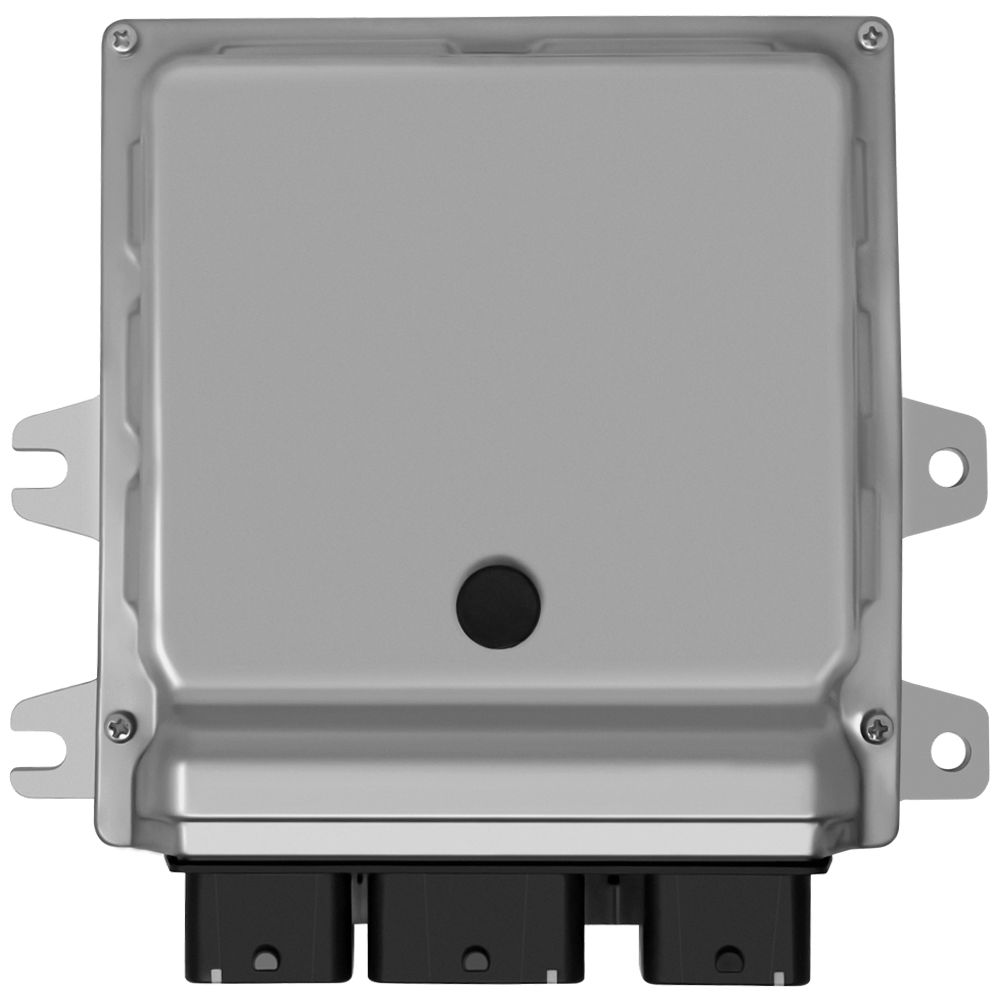
Flagship One stocks a refurbished, VIN-programmed PCM for the 2013 Nissan Rogue with a lifetime warranty, free shipping and no core charge. The full Nissan Rogue module lineup covers other engine configurations as well.
The Powertrain and Engine Control Modules are vital to the 2013 Nissan Rogue’s performance. Whether you opt for a new OEM part or a Flagship One refurbished unit, addressing the issue promptly helps maintain reliability and resale value. Contact a qualified service center to discuss the best solution for your vehicle.