
Last updated on August 25th, 2026 at 01:45 pm
The Engine Control Module (ECM) in your 2014 Nissan Rogue manages fuel delivery, ignition timing, and emissions systems. Internal failures may cause erratic engine behavior, stalling, or complete no-start conditions.
If your 2014 Nissan Rogue has developed unexplained stalling, a stubborn no-start condition, or a check-engine light with a cryptic code, the Engine Control Module (ECM) may be the culprit. This small but critical computer sits under the hood, constantly adjusting fuel, spark, and emissions systems to keep your engine running smoothly. When it fails, the symptoms can range from subtle drivability quirks to a vehicle that won’t start at all. Replacing the ECM isn’t just about swapping a part—it involves precise labor steps and a factory-mandated relearn procedure to ensure your Rogue runs correctly afterward. Understanding these details helps you avoid unnecessary dealer trips, reduce labor costs, and get back on the road with confidence. This guide explains what the ECM does, how to recognize its failures, and what to expect during replacement and programming.
The Engine Control Module in your 2014 Nissan Rogue acts as the brain of the engine, processing data from sensors to optimize performance, fuel efficiency, and emissions. It adjusts fuel injection timing, ignition spark, and idle speed in real time, ensuring smooth operation across all driving conditions. Without a functioning ECM, your Rogue may struggle to start, run roughly, or even fail to run at all. This module is particularly sensitive to voltage fluctuations and poor electrical connections, which can lead to internal corruption over time. When replacement becomes necessary, you’ll need a unit that matches your vehicle’s specifications—replacement engine computers for the Rogue are designed to integrate seamlessly with your Rogue’s wiring and sensor network. The ECM’s role extends beyond basic engine management; it also communicates with the transmission control module to ensure smooth gear shifts, making its reliability critical for overall drivability.
2014 Nissan Rogue
OEM programmed ECM for your 2014 Nissan Rogue — plug & play, no dealer visit.
Free shipping · Lifetime warranty
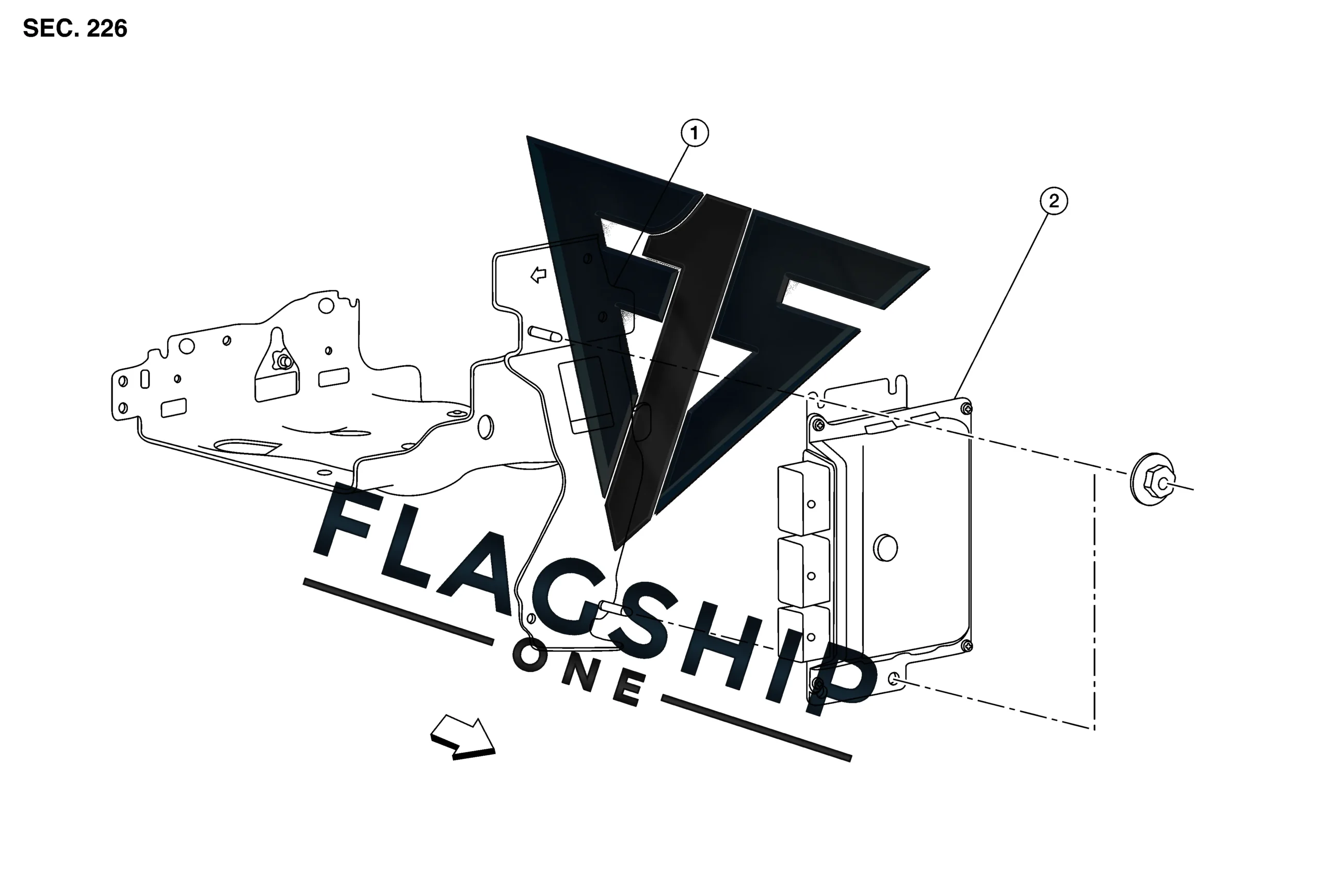
In the 2014 Nissan Rogue, the ECM is located in the engine bay, typically mounted on the passenger side near the firewall. Accessing it requires removing a protective cover and disconnecting the battery to prevent electrical shorts. The replacement process involves unplugging the wiring harness, removing the mounting bolts, and installing the new unit. According to factory labor guides, this procedure takes approximately 0.9 hours. Once the new ECM is in place, the wiring harness is reconnected, and the battery is restored. Proper torque on the mounting bolts is essential to prevent vibration-related issues, though specific torque values aren’t always provided in standard labor guides. The location is designed for accessibility, but care must be taken to avoid damaging nearby components during removal and installation.
| Operation | Configuration | Book Time |
|---|---|---|
| Powertrain Control Module R&R | All configurations | 0.9 hr |
| Powertrain Control Module Relearn | All configurations | 0.5 hr |
| Engine Control Module R&R | All configurations | 0.9 hr |
| Engine Control Module Reset | All configurations | 0.3 hr |
| Engine Control Module Relearn | All configurations | 0.5 hr |
After installing a new ECM in your 2014 Nissan Rogue, the factory procedure requires a relearn process to synchronize the module with the vehicle’s sensors and systems. This typically involves a 0.5-hour procedure that may include resetting learned values, calibrating throttle position, and ensuring proper communication with the transmission control module. However, if you opt for a VIN-programmed replacement unit, these steps are already completed before the unit arrives. This eliminates the need for additional dealer visits or specialized scan tool procedures, saving you time and potential frustration. The pre-programmed unit is matched to your Rogue’s VIN, ensuring compatibility with its specific engine and transmission configurations. While the relearn process isn’t overly complex, it does require precise execution to avoid drivability issues like rough idle or poor acceleration.
When the ECM in your 2014 Nissan Rogue begins to fail, the symptoms can vary widely but often include noticeable drivability issues. One of the most common signs is a no-start condition, where the engine cranks but refuses to fire. Stalling at idle or during acceleration may also occur, often accompanied by a check-engine light. Misfires, rough running, or poor fuel economy can indicate the ECM is struggling to manage fuel and spark delivery. In some cases, the vehicle may enter a limp-home mode, limiting engine power to prevent further damage. A stored trouble code like internal control module ROM error is a strong indicator of ECM failure, though other codes related to fuel or ignition systems may also appear. Scan tool communication issues, where the tool fails to connect to the ECM, can further confirm a module problem. These symptoms often worsen over time, so addressing them promptly can prevent more severe issues down the road.
The 2014 Nissan Rogue’s ECM may store specific trouble codes when internal failures occur. These codes help pinpoint the issue and guide the diagnostic process. One documented code for this vehicle is listed below, though others may appear depending on the nature of the failure.
| Code | Meaning | Full Guide |
|---|---|---|
| P0605 | Internal ROM error | Full P0605 guide → |
Intermittent stalling in your Rogue may stem from the ECM failing to manage fuel or ignition timing correctly. If the module is losing calibration or experiencing internal faults, it can cause the engine to cut out unexpectedly. A diagnostic scan for trouble codes can help confirm whether the ECM is the root cause.
A failing ECM often triggers multiple unrelated codes or causes scan tool communication failures. If sensors are the issue, the codes will typically point to specific components like the oxygen sensor or throttle position sensor. An ECM problem, however, may generate broad or inconsistent codes, such as P0605, indicating internal module failure.
While the physical replacement of the ECM is straightforward, the process requires careful handling of electrical connections and a post-install relearn procedure. If you’re comfortable with basic mechanical work and have access to a scan tool, you can perform the replacement. However, the relearn step may require professional equipment or dealer assistance unless you use a pre-programmed unit.
Skipping the relearn procedure may result in poor engine performance, including rough idle, hesitation, or even stalling. The ECM relies on learned values to optimize fuel delivery and ignition timing. Without these calibrations, your Rogue may run inefficiently or trigger additional trouble codes.
Driving with a P0605 code is not recommended, as it indicates an internal ECM failure that could lead to unpredictable engine behavior. While the vehicle may still run, the risk of stalling or further damage increases. Addressing the issue promptly ensures reliable operation and prevents potential safety hazards.
If your 2014 Nissan Rogue is experiencing ECM-related issues, you have options beyond costly dealer repairs. A refurbished replacement unit can restore functionality without the high price tag of a new module. Given the labor involved in replacement and programming, choosing a VIN-programmed unit eliminates the need for additional dealer visits, saving you time and money. Whether you opt for a DIY approach or professional installation, understanding the process ensures a smoother repair experience.
Flagship One stocks a refurbished, VIN-programmed PCM for the 2014 Nissan Rogue with a lifetime warranty, free shipping and no core charge. The full Nissan Rogue module lineup covers other engine configurations as well.
The ECM in your 2014 Nissan Rogue plays a vital role in keeping your engine running smoothly. Recognizing the signs of failure, understanding the replacement process, and choosing the right unit can help you avoid unnecessary downtime and expense. Whether you tackle the repair yourself or seek professional help, addressing ECM issues promptly ensures your Rogue remains reliable for miles to come.