
Last updated on August 25th, 2026 at 01:47 pm
The Engine Control Module (ECM) in your 2010 Nissan Sentra manages fuel delivery, ignition timing, and emissions systems. Failures may trigger drivability issues, stored trouble codes, or complete engine shutdown due to internal faults or voltage irregularities.
If your 2010 Nissan Sentra suddenly stalls, refuses to start, or triggers a check-engine light with no obvious cause, the Engine Control Module (ECM) may be at fault. This small but critical computer manages everything from fuel injection to ignition timing, ensuring smooth operation. When it fails, symptoms can range from subtle drivability quirks to complete engine shutdown. Replacing the ECM isn’t just about swapping parts—it requires careful handling to avoid damaging sensitive electronics and a factory-mandated relearn procedure to sync the new module with your vehicle’s systems. Understanding the process helps you avoid unnecessary repairs and ensures your Sentra runs reliably after the fix. Whether you’re diagnosing a no-start condition or addressing stored trouble codes, knowing how the ECM functions and what to expect during replacement can save time and frustration.
The Engine Control Module (ECM) in your 2010 Nissan Sentra acts as the brain of the engine, continuously monitoring sensors and adjusting fuel, air, and spark to maintain optimal performance. It ensures compliance with emissions standards, regulates idle speed, and even influences transmission behavior in some driving conditions. A faulty ECM may disrupt these processes, leading to poor fuel economy, rough idling, or even a vehicle that won’t start at all. Because the module relies on precise voltage signals, improper handling—such as using the wrong ground points during diagnostics—can permanently damage its internal transistors. When replacement becomes necessary, replacement engine computers for the Sentra must be programmed to match your vehicle’s VIN to avoid communication errors with other onboard systems. Without proper calibration, the new ECM may fail to communicate with the transmission control module or emissions equipment, leaving you with unresolved drivability issues.
2010 Nissan Sentra
OEM programmed replacements — plug & play, no dealer visit.
Find yours by year, make & model →
Free shipping · Lifetime warranty
In the 2010 Nissan Sentra, the ECM is located behind the glove compartment, mounted to the vehicle’s firewall. Accessing it requires removing the glove box assembly, which typically involves releasing a few retaining clips and disconnecting the damper mechanism. Once exposed, the ECM is secured with a single mounting bolt and connected via a multi-pin electrical harness. Replacement involves unplugging the harness, removing the bolt, and installing the new module in reverse order. Labor guides estimate 0.7 hours for the removal and reinstallation process. After physical installation, the module must undergo a relearn procedure, which takes an additional 0.5 hours, to synchronize with the vehicle’s immobilizer and other control modules. Proper torque on the mounting bolt is critical to ensure a secure connection and prevent vibration-related issues.
| Operation | Configuration | Book Time |
|---|---|---|
| Powertrain Control Module R&R | All configurations | 0.7 hr |
| Powertrain Control Module Relearn | All configurations | 0.5 hr |
| Engine Control Module R&R | All configurations | 0.7 hr |
| Engine Control Module Relearn | All configurations | 0.5 hr |
After installing a new ECM in your 2010 Nissan Sentra, the factory requires a relearn procedure to ensure the module communicates correctly with the vehicle’s immobilizer and other systems. This process typically involves using a scan tool to initiate a security reset, allowing the ECM to recognize the ignition key and fuel pump signals. The procedure takes approximately 0.5 hours and must be completed to avoid a no-start condition or persistent warning lights. However, a VIN-programmed replacement unit arrives pre-configured to your vehicle’s specifications, eliminating the need for this step. This not only saves time but also reduces the risk of programming errors that could lead to additional diagnostic work. Always confirm the replacement module matches your Sentra’s engine and transmission configuration to ensure seamless operation.
A failing ECM in your 2010 Nissan Sentra may produce a range of symptoms, some subtle and others immediately noticeable. Common signs include intermittent stalling, especially at idle or during deceleration, as the module struggles to maintain proper fuel and spark delivery. You might also experience a no-start condition, where the engine cranks but fails to fire, often accompanied by a lack of fuel pump priming. Rough idling, misfires, or poor acceleration can occur if the ECM sends incorrect signals to the injectors or ignition coils. In some cases, the vehicle may enter a “limp mode,” limiting engine power to prevent further damage. Stored trouble codes, such as an internal control module memory fault, may appear during a scan tool diagnosis, indicating a failure within the ECM itself. Additionally, communication issues with a scan tool—such as an inability to retrieve codes or monitor live data—can point to a faulty module. Transmission shifting problems, like delayed or harsh gear changes, may also arise if the ECM fails to communicate properly with the transmission control module.
The 2010 Nissan Sentra’s ECM may store specific trouble codes when internal faults occur. These codes help pinpoint issues within the module itself, rather than external sensors or wiring problems. One documented code for this vehicle is listed below.
| Code | Meaning | Full Guide |
|---|---|---|
| P0605 | Internal ROM error | Full P0605 guide → |
Intermittent stalling in your Sentra may stem from an ECM struggling to regulate fuel or ignition timing. If the module fails to send consistent signals to the injectors or coils, the engine may cut out unexpectedly. A scan tool can check for stored codes, such as P0605, which would confirm an internal ECM fault. Before replacing the module, verify other potential causes like fuel pump failure or sensor issues.
Skipping the relearn procedure after ECM replacement may result in a no-start condition or persistent warning lights. The relearn ensures the new module syncs with the immobilizer and other systems, allowing the engine to start and run properly. Without it, the ECM may fail to recognize the ignition key or fuel pump signals, leaving the vehicle inoperable. The process typically takes 0.5 hours and requires a scan tool.
A weak or failing battery can indirectly affect the ECM by causing voltage fluctuations. Low voltage may prevent the module from powering up correctly, while high voltage spikes during jump-starting or charging can damage internal components. Always ensure your battery is in good condition and properly charged to avoid unnecessary strain on the ECM and other electronics.
Distinguishing between an ECM failure and a wiring issue requires systematic testing. Start by checking for stored trouble codes—internal ECM codes like P0605 suggest a module fault, while codes related to sensors or circuits may point to wiring problems. Inspect the ECM connectors for corrosion, bent pins, or loose connections. If the wiring appears intact, the ECM itself may be the culprit, especially if symptoms persist after ruling out other causes.
Driving with an ECM-related code, such as P0605, may be risky depending on the symptoms. If the vehicle runs poorly, stalls frequently, or exhibits erratic behavior, continued driving could lead to further damage or a sudden breakdown. Address the issue promptly to avoid leaving yourself stranded or causing additional electrical problems. If the vehicle runs normally despite the code, it’s still wise to diagnose the issue as soon as possible.
If your 2010 Nissan Sentra’s ECM has failed, you have two primary options: repair or replacement. Repairing the module may be cost-effective for minor issues, but internal faults like P0605 often require a full replacement. A new or refurbished ECM must be programmed to your vehicle’s VIN to ensure proper operation, and labor costs for installation and relearn should be factored into your decision. Given the Sentra’s age, a reliable replacement unit can restore performance without the uncertainty of a repair.
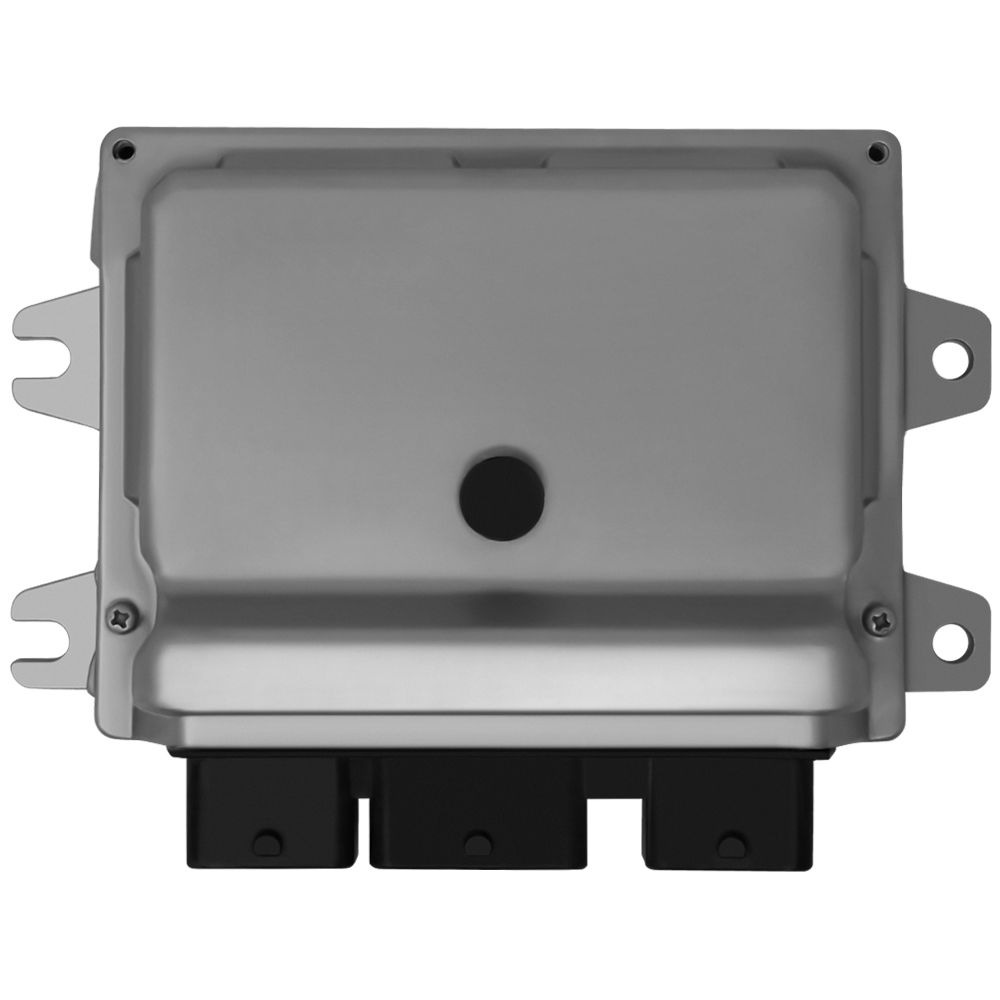
Flagship One stocks a refurbished, VIN-programmed PCM for the 2010 Nissan Sentra with a lifetime warranty, free shipping and no core charge. The full Nissan Sentra module lineup covers other engine configurations as well.
Replacing the ECM in your 2010 Nissan Sentra is a straightforward process when done correctly, but it requires attention to detail—from avoiding voltage measurement pitfalls to completing the mandatory relearn procedure. A properly functioning ECM ensures smooth engine operation, reliable starts, and compliance with emissions standards. If you’re experiencing symptoms like stalling, no-start conditions, or stored trouble codes, addressing the issue promptly can prevent further complications. Whether you opt for a repair or a replacement, ensure the module is compatible with your Sentra’s specifications for long-term reliability.