
Last updated on August 25th, 2026 at 12:10 pm
The Engine Control Module (ECM) in a 1993 Nissan Sentra 1.6L is the central computer that manages fuel injection, ignition timing, and emissions controls. When it fails, the engine may not start, run poorly, or stall. Because this is a pre-OBD-II system, diagnosis relies on visual inspection and component testing rather than standardized trouble codes.
If your 1993 Nissan Sentra 1.6L cranks but won’t start, or runs rough and stalls unpredictably, the Engine Control Module (ECM) may be the culprit. This pre-OBD-II vehicle relies on a simple but critical computer to manage fuel injection, ignition timing, and basic emissions functions. Unlike modern cars that broadcast diagnostic trouble codes, the Sentra’s ECM communicates through a check engine light that blinks in patterns—or not at all if the module is dead. Understanding how this ECM works, where it lives, and what happens when it fails can save you hours of guesswork. This guide covers the ECM’s role in your Sentra, common failure symptoms, replacement steps, and why a pre-programmed unit from Flagship One simplifies the job. Whether you’re a weekend mechanic or a professional, you’ll get the facts you need to diagnose and fix the problem without unnecessary expense.
1993 Nissan Sentra 1.6L
OEM programmed ECM for your 1993 Nissan Sentra 1.6L — plug & play, no dealer visit.
Free shipping · Lifetime warranty
The Engine Control Module (ECM) in your 1993 Nissan Sentra 1.6L is a sealed computer that interprets sensor inputs—like engine temperature, throttle position, and crankshaft speed—to adjust fuel delivery and spark timing. It also controls the idle air control valve and the fuel pump relay. Because this is a pre-OBD-II system, the ECM does not store standardized diagnostic trouble codes; instead, it uses a simple self-diagnostic mode that flashes the check engine light in sequences to indicate faults. The ECM is mounted inside the passenger compartment, typically behind the right-side kick panel, where it is protected from engine heat but still vulnerable to moisture and vibration over decades of use. When the ECM fails, the engine may lose spark, fuel, or both, leading to a no-start condition. Intermittent failures can cause stalling, hesitation, or poor fuel economy. The ECM also controls the idle speed, so a faulty unit may cause a high or unstable idle. Because the Sentra’s ECM is not reprogrammable in the traditional sense, replacement is the only repair option. When you need a new ECM, look for replacement ECMs for the 1993 Sentra that are pre-programmed with your vehicle’s VIN to avoid the need for dealer-level initialization.
The ECM in a 1993 Nissan Sentra 1.6L is located behind the passenger side kick panel, just above the carpet. To access it, you will need to remove the plastic trim panel that covers the side of the center console and the footwell area. The ECM is held in place by two or three bolts and has two large harness connectors. Before starting, disconnect the negative battery cable and wait at least five minutes for the capacitor to discharge. Unplug the connectors by releasing the locking tabs, then unbolt the ECM. Transfer the mounting bracket to the new unit if needed. Installation is the reverse of removal. No special tools are required, but a 10mm socket and a trim removal tool are helpful. The job typically takes less than an hour for a first-timer. Ensure the connectors click firmly and the kick panel is reinstalled securely to prevent rattles.
Work with the ignition off, and treat the module as static-sensitive: avoid touching the connector pins at any point.
After replacing the ECM in a 1993 Nissan Sentra 1.6L, the factory procedure requires performing an idle air volume learn and a throttle position sensor reset using a Nissan-specific scan tool. This ensures the ECM learns the base idle position and throttle range. Without this step, the engine may idle poorly or stall. Additionally, the ECM must be initialized to match the vehicle’s VIN and immobilizer (if equipped). However, the 1993 Sentra does not have an immobilizer, so the main concern is the idle learn. Flagship One eliminates this hassle by shipping a VIN-programmed replacement unit that arrives with the correct calibration and idle parameters already set. You simply install the ECM, reconnect the battery, and start the engine. The ECM will adapt to your specific engine over the first few drive cycles, but the critical base settings are already in place, saving you a trip to the dealer.
When the ECM in a 1993 Nissan Sentra 1.6L begins to fail, the most common symptom is a no-start condition where the engine cranks but never fires. This happens because the ECM stops sending fuel injector pulses or spark signals. Intermittent failures may cause the engine to stall suddenly while driving, then restart after a few minutes. You might also notice a rough idle, hesitation during acceleration, or poor fuel economy. The check engine light may illuminate and flash a pattern, or it may stay off entirely if the ECM is dead. Another symptom is the fuel pump not priming when the key is turned to the ON position, as the ECM controls the fuel pump relay. In some cases, the ECM may cause the cooling fan to run constantly or not at all. Because this is a pre-OBD-II system, you cannot rely on a generic scan tool to read codes; you must use a Nissan-specific tool or observe the LED on the ECM itself. If you suspect the ECM, check for power and ground at the module before condemning it.
Common signs include a no-start condition with spark and fuel present, intermittent stalling, or a check engine light that stays on or flashes a pattern. You can also test for power and ground at the ECM connector. If the ECM is dead, the fuel pump will not prime and the injectors will not fire.
Yes, the ECM is located behind the passenger kick panel and is held by a few bolts. Disconnect the battery, remove the trim, unplug the connectors, and swap the unit. No special tools are needed. Just ensure the replacement ECM is pre-programmed for your VIN to avoid idle learn issues.
The factory procedure requires an idle air volume learn and throttle position sensor reset using a Nissan scan tool. However, a pre-programmed ECM from Flagship One arrives with these settings already applied, so you can install it and drive immediately.
Common causes include voltage spikes from a failing alternator, moisture intrusion through damaged connector seals, and age-related capacitor failure. Over time, the internal components can degrade, especially in vehicles driven in humid climates.
This pre-OBD-II vehicle uses a self-diagnostic mode. With the engine off, turn the ignition ON and look for the check engine light to flash a pattern. Count the long and short flashes to identify the fault. Alternatively, a Nissan-specific scan tool can read the codes directly from the ECM.
If your 1993 Nissan Sentra 1.6L needs a new ECM, you have two options: repair the original unit or replace it with a refurbished or new module. Repairing a failed ECM is rarely cost-effective due to the specialized electronics involved. A replacement ECM from Flagship One is pre-programmed with your VIN and ready to install, saving you the time and expense of dealer-level programming. This model-specific solution ensures your Sentra runs as intended.
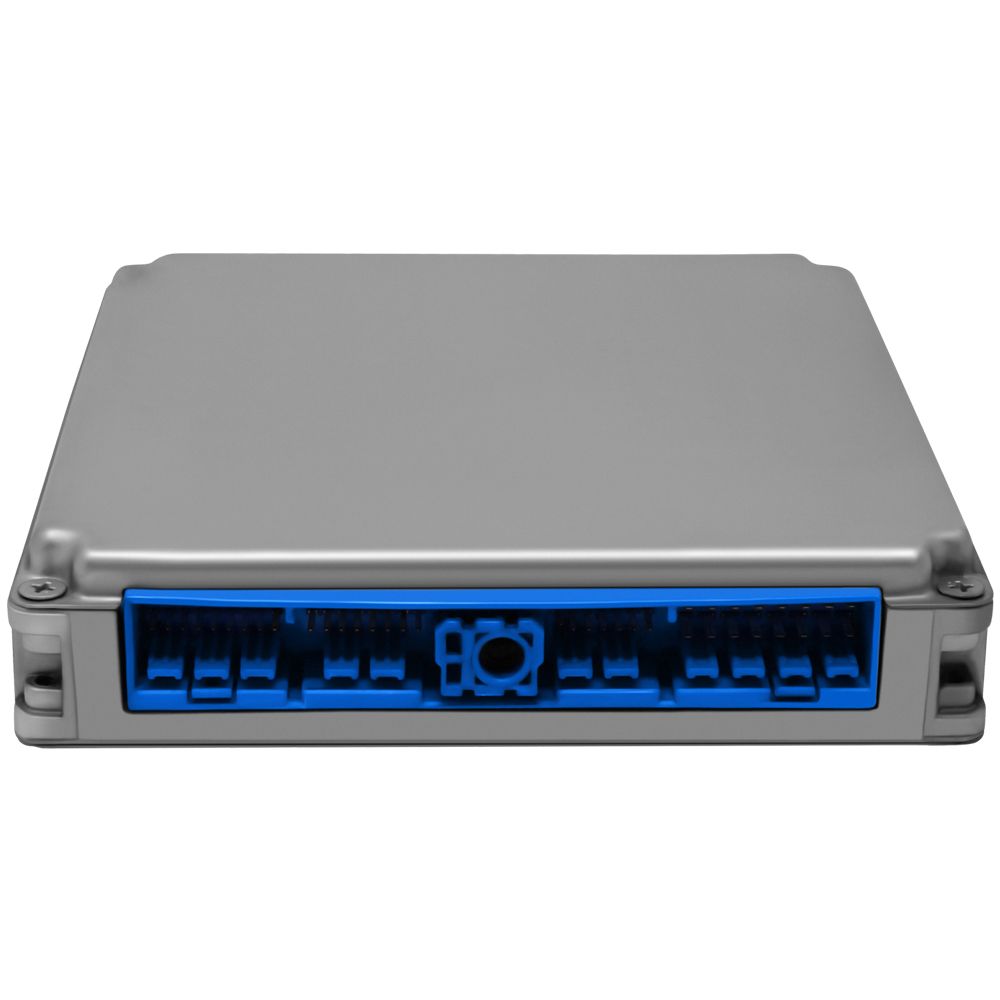
Flagship One stocks a refurbished, VIN-programmed ECM for the 1993 Nissan Sentra with a lifetime warranty, free shipping and no core charge. The full Nissan Sentra module lineup covers other engine configurations as well.
The ECM in your 1993 Nissan Sentra 1.6L is a durable but aging component that can fail due to voltage spikes, moisture, or simple wear. Recognizing the symptoms—no-start, stalling, poor idle—and knowing where to find the module behind the passenger kick panel puts you in control of the repair. A pre-programmed replacement from Flagship One eliminates the need for factory initialization, letting you get back on the road quickly.