
Last updated on August 25th, 2026 at 01:51 pm
The engine control module (ECM) in your 1991 Nissan Sentra manages fuel injection, ignition timing, and idle speed. When it fails, you may experience stalling, hard starts, or poor acceleration. Unlike later models, this pre-OBD-II unit lacks self-diagnostic codes but can still disrupt engine performance.
If your 1991 Nissan Sentra has started stalling at stoplights, refusing to start on cold mornings, or running rough under acceleration, the engine control module (ECM) may be the culprit. This small but critical computer manages everything from fuel injection to ignition timing, and when it fails, your vehicle’s performance suffers. Unlike modern cars with self-diagnostic systems, the Sentra’s pre-OBD-II ECM doesn’t flash trouble codes, making failures harder to pinpoint. Still, common symptoms like erratic idle or sudden stalling often point to the module. Replacing it isn’t just about swapping parts—proper installation and programming are essential to avoid repeat issues. Understanding how the ECM works, where it’s located, and what to expect during replacement can save you time and frustration. Whether you’re a DIYer or planning to visit a shop, knowing these details helps you make informed decisions about repairs or replacements.
1991 Nissan Sentra
OEM programmed replacements — plug & play, no dealer visit.
Find yours by year, make & model →
Free shipping · Lifetime warranty
The engine control module in your 1991 Nissan Sentra is the brain behind your engine’s operation. It constantly monitors sensors for engine speed, air intake, and coolant temperature, then adjusts fuel injection and ignition timing to keep everything running smoothly. Without it, your Sentra wouldn’t know how much fuel to deliver or when to fire the spark plugs, leading to poor performance or a complete no-start condition. This module also plays a role in managing idle speed, ensuring the engine stays running when you’re stopped. Over time, heat, vibration, and electrical spikes can degrade the ECM’s internal components, causing intermittent or permanent failures. When this happens, you might notice symptoms like hesitation under acceleration or stalling at low speeds. Replacing the module with a direct-fit replacement ECM for the 1991 Nissan Sentra ensures compatibility and proper function, but programming is required to match your vehicle’s specifications. Without this step, even a new unit may not work correctly.
Work with the ignition off, and treat the module as static-sensitive: avoid touching the connector pins at any point.
After installing a new ECM in your 1991 Nissan Sentra, the factory procedure requires programming the unit to match your vehicle’s VIN and engine specifications. This step ensures the module communicates correctly with the engine’s sensors and fuel system. Without programming, the Sentra may run poorly or not start at all. The process typically involves using specialized diagnostic equipment to input the VIN and configure the module’s settings. However, a VIN-programmed replacement unit from Flagship One arrives pre-configured, eliminating the need for this step. This saves you time and ensures the module is ready to work as soon as it’s installed. If you’re working with a shop, confirm they’re using a pre-programmed unit to avoid unnecessary delays or additional labor charges.
When the ECM in your 1991 Nissan Sentra fails, the symptoms can be frustratingly inconsistent. You might experience stalling at idle, especially when the engine is cold, or notice the vehicle hesitates or jerks during acceleration. A no-start condition is also common, where the engine cranks but refuses to fire. Since this is a pre-OBD-II vehicle, you won’t see check engine lights or trouble codes, but the behavior often mimics other issues like a failing fuel pump or ignition coil. Another telltale sign is erratic idle speed—your Sentra may rev unexpectedly or struggle to maintain a steady RPM when stopped. In some cases, the engine may run rough or misfire, particularly under load. If you’ve ruled out basic problems like spark plugs or fuel filters, the ECM could be the culprit. Pay attention to whether symptoms appear intermittently or worsen over time, as this can help narrow down the diagnosis. For example, if the engine stalls only after warming up, the ECM’s internal temperature sensor may be failing. While these symptoms don’t always point to the ECM, they’re strong indicators when other components check out.
Testing the ECM in a pre-OBD-II vehicle like the 1991 Sentra is challenging without specialized equipment. You can check for power at the module’s connectors and inspect the wiring harness for damage, but definitive testing often requires swapping in a known-good unit. If symptoms persist after replacing other components like the fuel pump or ignition system, the ECM is likely the issue.
Stalling when warm often points to a failing ECM or a sensor issue, such as the coolant temperature sensor. The ECM relies on accurate sensor data to adjust fuel and ignition timing. If the module or sensor degrades with heat, it may send incorrect signals, causing the engine to stall. A thorough inspection of the wiring and connectors near the ECM can help rule out loose connections.
Driving with a failing ECM can be unpredictable. While the vehicle may start and run intermittently, sudden stalling or loss of power could leave you stranded. If you notice symptoms like rough idle or hesitation, it’s best to address the issue promptly to avoid further damage or unsafe driving conditions.
Yes, a poor ground connection can disrupt the ECM’s operation, leading to symptoms like stalling or erratic idle. The ECM relies on a stable electrical supply, and corrosion or loose connections at the ground points can cause voltage fluctuations. Inspect the ground wires near the battery and engine bay, cleaning and tightening them as needed.
In the 1991 Nissan Sentra, the ECM (engine control module) manages both fuel injection and ignition timing, while some vehicles separate these functions into distinct units. The Sentra’s ECM integrates these systems, so a failure affects multiple aspects of engine performance. Replacing the ECM addresses both fuel and ignition issues simultaneously.
If your 1991 Nissan Sentra is showing signs of ECM failure, you have options beyond costly dealer repairs. A refurbished or new replacement module can restore reliable performance, but programming is essential for proper operation. Flagship One offers VIN-programmed units designed to plug in and work immediately, saving you time and hassle. Whether you’re handling the replacement yourself or working with a shop, choosing a pre-programmed unit ensures a smooth installation without the need for additional diagnostic steps.
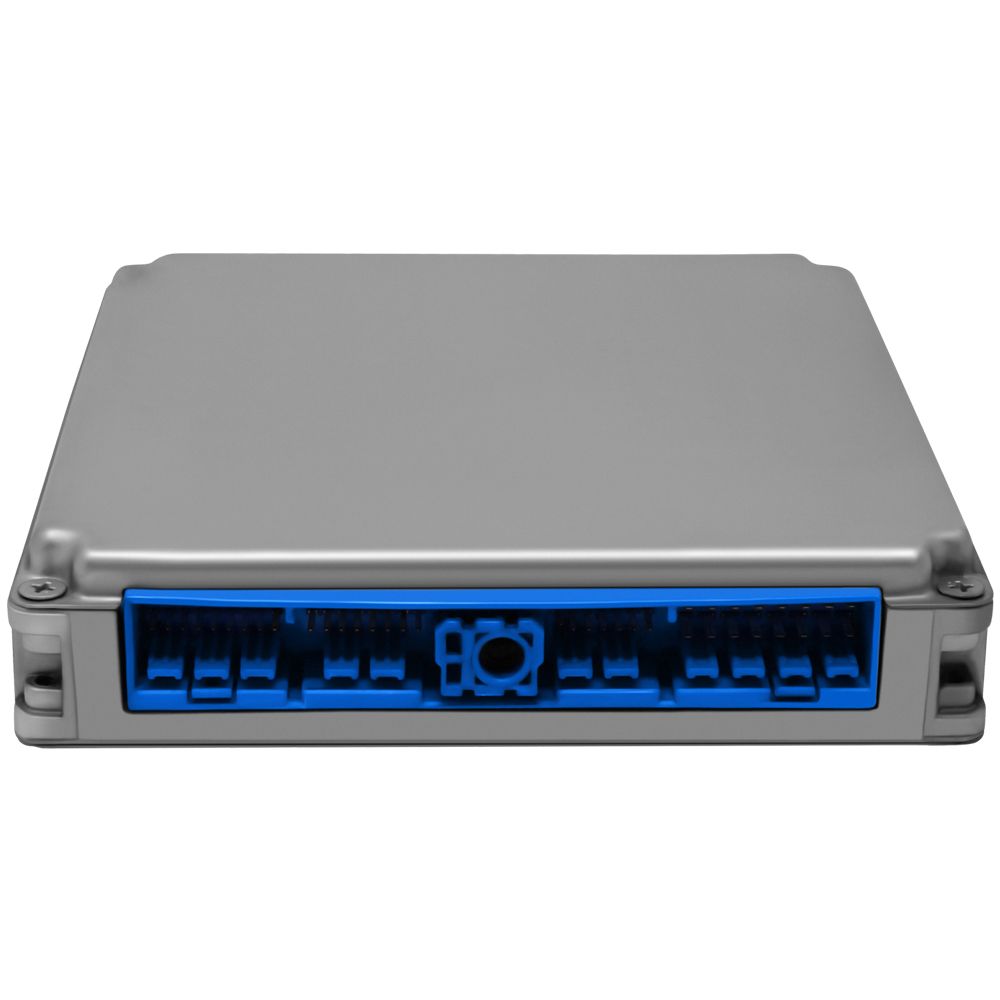
Flagship One stocks a refurbished, VIN-programmed ECM for the 1991 Nissan Sentra with a lifetime warranty, free shipping and no core charge. The full Nissan Sentra module lineup covers other engine configurations as well.
The 1991 Nissan Sentra’s ECM is a critical component that keeps your engine running smoothly. When it fails, symptoms like stalling, rough idle, or a no-start condition can disrupt your daily routine. Replacing the module is straightforward, but proper installation and programming are key to avoiding repeat issues. With a VIN-programmed replacement, you can restore your Sentra’s performance without the guesswork. If you’re experiencing these symptoms, consider a replacement to get your vehicle back on the road reliably.