
Last updated on August 25th, 2026 at 01:58 pm
The Powertrain Control Module (PCM) or Engine Control Module (ECM) in the 2009 Mazda CX-9 manages engine performance, fuel delivery, and emissions. Failures may cause erratic behavior, poor drivability, or stored trouble codes.
If your 2009 Mazda CX-9 is experiencing unexplained stalling, a no-start condition, or warning lights on the dashboard, the Powertrain Control Module (PCM) or Engine Control Module (ECM) may be at fault. This module acts as the brain of your vehicle’s engine, regulating fuel injection, ignition timing, and emissions systems. When it fails, drivability issues or stored trouble codes often appear. Understanding the replacement process, programming requirements, and common symptoms can help you address the problem efficiently. Whether you’re diagnosing an issue or preparing for a repair, knowing what to expect ensures a smoother experience.
In the 2009 Mazda CX-9, the Powertrain Control Module (PCM) integrates engine and transmission control into a single unit, optimizing performance and efficiency. This module processes data from sensors to adjust fuel delivery, ignition timing, and emissions systems in real time. A malfunctioning PCM can disrupt these functions, leading to poor drivability or even a no-start condition. If replacement becomes necessary, selecting the correct replacement engine computers for the CX-9 ensures compatibility and restores proper operation. The module’s role is critical, as it directly influences how the engine responds to driving conditions.
The PCM/ECM in the 2009 Mazda CX-9 is typically located in the engine bay, secured near the firewall or under a protective cover. Replacing it involves disconnecting the battery, removing the module’s electrical connectors, and unbolting the unit from its mounting bracket. The labor time for removal and reinstallation is generally 0.9 hours, according to factory guidelines. After installation, a relearn procedure of 0.5 hours may be required to synchronize the module with the vehicle’s systems. Proper torque on mounting bolts and secure connector seating are essential to avoid future issues.
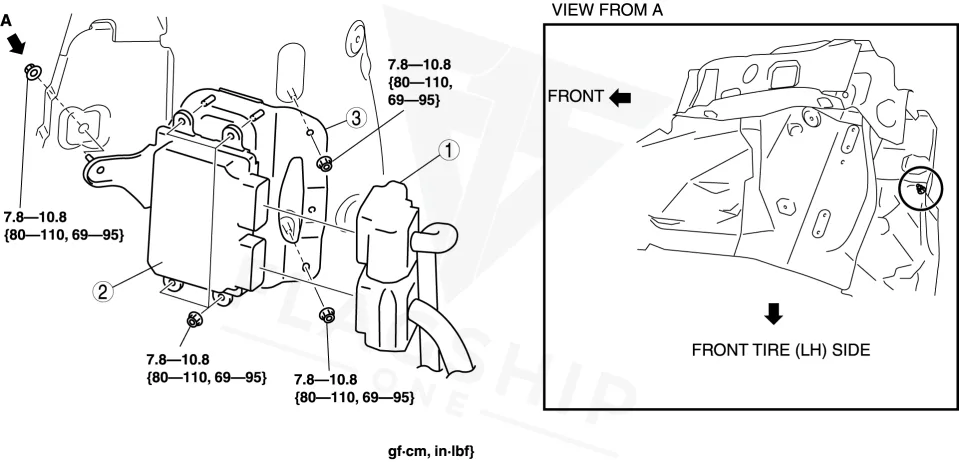
Work with the ignition off, and treat the module as static-sensitive: avoid touching the connector pins at any point.
| Operation | Configuration | Book Time |
|---|---|---|
| Powertrain Control Module R&R | All configurations | 0.9 hr |
| Powertrain Control Module Relearn | All configurations | 0.5 hr |
| Engine Control Module R&R | All configurations | 0.9 hr |
| Engine Control Module Relearn | All configurations | 0.5 hr |
2009 Mazda CX-9
OEM programmed ECM for your 2009 Mazda CX-9 — plug & play, no dealer visit.
Free shipping · Lifetime warranty
After replacing the PCM/ECM in your 2009 Mazda CX-9, a factory relearn procedure is typically required to ensure proper communication with the vehicle’s systems. This process, which takes about 0.5 hours, recalibrates the module to match the engine and transmission parameters. However, a VIN-programmed replacement unit from Flagship One arrives pre-configured, eliminating the need for additional programming. This ensures a seamless installation, allowing your vehicle to operate as intended without further adjustments.
A failing PCM/ECM in the 2009 Mazda CX-9 may cause a range of symptoms, including intermittent stalling, rough idling, or a complete no-start condition. Drivers might also notice poor acceleration, erratic shifting, or warning lights on the dashboard. In some cases, the vehicle may enter a limp-home mode to prevent further damage. Common trouble codes like internal control module memory checksum error often appear during diagnostics, indicating a potential module failure. If your scan tool fails to communicate with the PCM, it could signal a deeper issue requiring replacement.
The 2009 Mazda CX-9 may store specific trouble codes when the PCM/ECM experiences internal faults. These codes help pinpoint issues during diagnostics and often indicate the need for module replacement or reprogramming.
Mazda has issued service bulletins addressing module-related concerns for the CX-9 and similar models. Bulletin 07 002/09 covers procedures for addressing musty or mildew odors in the air conditioning system, which may indirectly affect cabin comfort. Another bulletin provides guidance on module replacement and reprogramming, outlining which modules are programmable or configurable for this vehicle. While not directly related to PCM/ECM failures, these bulletins highlight the importance of following factory procedures during repairs.
| Bulletin | Subject | What It Addresses |
|---|---|---|
| — | Mazda Tips: Module Replacement/Reprogramming Information | s SEE CHART BELOW INDICATING WHICH MODULES ARE PRESENT ON THE CX-7 AND IF THEY ARE PROGRAMMABLE AND OR |
| — | 07 002/09 Multi Model Air Conditioning Musty / Mildew Odor | — |
Common signs include a no-start condition, stalling, rough idling, or warning lights on the dashboard. You may also notice poor acceleration or transmission shifting issues. If your scan tool cannot communicate with the PCM, it often indicates a module failure.
Replacement typically takes 0.9 hours for removal and installation. A relearn procedure of 0.5 hours may also be required afterward to ensure proper functionality.
Yes, a factory relearn procedure is often necessary after replacement. However, Flagship One units arrive pre-programmed to your vehicle’s VIN, eliminating this step.
When addressing PCM/ECM issues in your 2009 Mazda CX-9, you have options ranging from repair to replacement. A refurbished or new module can restore reliability, especially if the original unit has failed. Given the labor involved, selecting a pre-programmed replacement ensures a straightforward installation without additional programming steps.
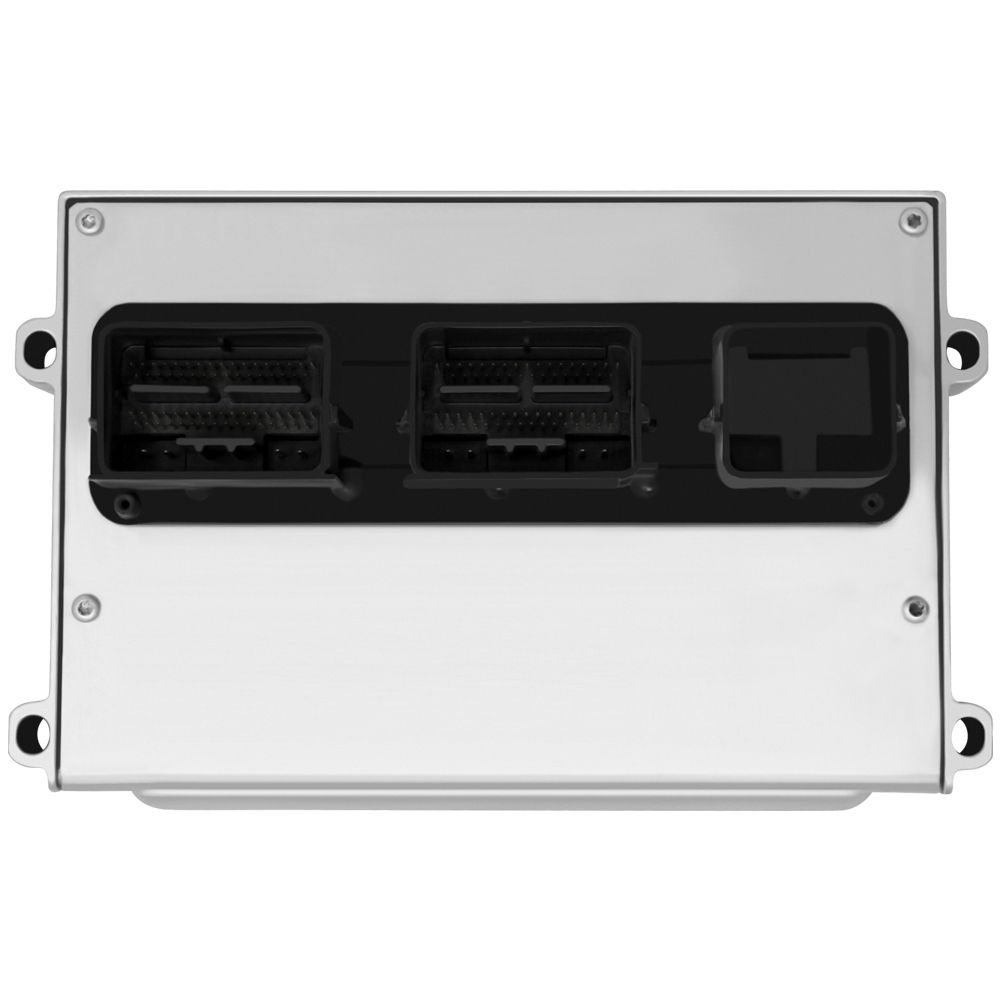
Flagship One stocks a refurbished, VIN-programmed PCM for the 2009 Mazda CX-9 with a lifetime warranty, free shipping and no core charge. The full Mazda CX-9 module lineup covers other engine configurations as well.
The 2009 Mazda CX-9 relies on its PCM/ECM to maintain smooth engine operation and drivability. If you’re experiencing symptoms like stalling or warning lights, addressing the issue promptly can prevent further complications. Whether you choose a repair or replacement, understanding the process helps you make an informed decision.