
Last updated on August 25th, 2026 at 01:59 pm
The Powertrain Control Module (PCM) in your 2003 Mazda B4000 manages engine performance and transmission behavior. Failures may lead to erratic idling, poor acceleration, or complete engine shutdown due to voltage irregularities or internal faults.
If your 2003 Mazda B4000 has been experiencing unexplained stalling, rough idling, or transmission shifting issues, the Powertrain Control Module (PCM) may be the culprit. This critical component acts as the brain of your vehicle’s engine and transmission systems, coordinating fuel delivery, ignition timing, and shift points. When it malfunctions, symptoms can range from subtle performance hiccups to a complete no-start condition. Understanding the role of the PCM, how to identify potential failures, and what replacement entails can save you time and frustration. This guide covers the essentials of PCM function, common failure signs, labor requirements, and post-installation procedures specific to your B4000. Whether you’re diagnosing an existing issue or preparing for a replacement, you’ll gain clarity on what to expect and how to ensure a smooth repair process.
The Powertrain Control Module (PCM) in your 2003 Mazda B4000 is an integrated computer that oversees both engine and transmission operations. It processes data from sensors throughout the vehicle to optimize fuel injection, ignition timing, and shift scheduling, ensuring efficient performance and emissions compliance. Without a properly functioning PCM, your B4000 may struggle with poor fuel economy, hesitation under acceleration, or even fail to start. The module’s dual role means a single failure can disrupt multiple systems, making accurate diagnosis essential. When replacing the PCM, it’s important to select a unit designed for your specific model, as replacement engine computers for the B4000 must match the vehicle’s original programming to avoid compatibility issues. The PCM’s location and accessibility make replacement straightforward, but its influence on drivability means even minor voltage irregularities or connector corrosion can lead to significant performance problems.
2003 Mazda B4000
OEM programmed ECM for your 2003 Mazda B4000 — plug & play, no dealer visit.
Free shipping · Lifetime warranty
In the 2003 Mazda B4000, the Powertrain Control Module (PCM) is positioned in a relatively accessible location, typically near the engine bay or under the dashboard. Replacing the module involves disconnecting the battery, removing the electrical connectors, and unbolting the unit from its mounting bracket. According to factory labor estimates, the removal and reinstallation process should take approximately 0.5 hours. No specialized tools are required beyond basic hand tools, but care must be taken to avoid damaging the connectors or pins during disassembly. Once the new module is installed, the electrical connections should be securely reattached, and the battery reconnected to restore power. Proper torque on mounting bolts ensures the PCM remains securely in place, preventing vibration-related issues.
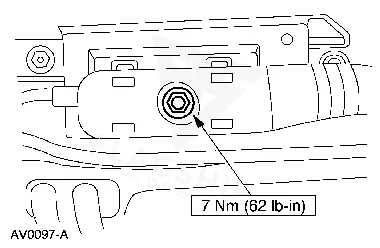
Work with the ignition off, and treat the module as static-sensitive: avoid touching the connector pins at any point.
| Operation | Configuration | Book Time |
|---|---|---|
| Powertrain Control Module R&R | B2300 | 0.5 hr |
| Powertrain Control Module R&R | B3000 | 0.5 hr |
| Powertrain Control Module R&R | B4000 | 0.5 hr |
| Powertrain Control Module Relearn | B2300 | 0.5 hr |
| Powertrain Control Module Relearn | B3000 | 0.5 hr |
| Powertrain Control Module Relearn | B4000 | 0.5 hr |
| Engine Control Module R&R | B2300 | 0.5 hr |
| Engine Control Module R&R | B3000 | 0.5 hr |
After replacing the Powertrain Control Module (PCM) in your 2003 Mazda B4000, the factory requires a relearn procedure to synchronize the new unit with the vehicle’s existing systems. This process ensures the PCM correctly interprets sensor data and adjusts engine and transmission parameters accordingly. Without this step, you may experience poor performance, shifting irregularities, or even a no-start condition. However, if you install a VIN-programmed replacement unit, these additional steps are unnecessary, as the module arrives pre-configured for your specific vehicle. This eliminates the need for dealer programming or aftermarket scan tool interventions, simplifying the installation process. Always verify that the replacement PCM matches your B4000’s original specifications to avoid compatibility issues.
A failing Powertrain Control Module (PCM) in your 2003 Mazda B4000 may produce a variety of symptoms, often mimicking other mechanical or electrical issues. One of the most common signs is a no-start condition, where the engine cranks but fails to fire due to incorrect fuel or spark delivery. Stalling at idle or during acceleration is another frequent complaint, often accompanied by rough running or misfires. You may also notice the transmission shifting erratically or failing to engage gears smoothly, as the PCM controls shift timing and pressure. Diagnostic trouble codes (DTCs) related to engine performance, such as intake manifold runner control stuck open, may appear on your scan tool, indicating a potential PCM or sensor issue. In some cases, the vehicle may enter a limp-home mode, limiting engine power to prevent further damage. Poor fuel economy, hesitation under load, or even intermittent electrical gremlins like flickering dashboard lights can also point to PCM problems. If your B4000 exhibits any of these symptoms, a thorough inspection of the PCM and its related systems is recommended to pinpoint the root cause.
Mazda has issued service bulletins addressing PCM-related issues in similar vehicles, though specific bulletins for the 2003 B4000 are limited. One bulletin focuses on a 2.3L DOHC engine with an illuminated check engine light and a P2004 code, recommending a PCM calibration update to resolve intake manifold runner control problems. Another bulletin targets idle vibration in the same engine family, again suggesting a PCM calibration as the solution. While these bulletins reference different engine configurations, they highlight the importance of software updates in addressing drivability concerns. If your B4000 exhibits similar symptoms, consulting these bulletins may provide guidance on whether a PCM reprogramming or replacement is necessary.
| Bulletin | Subject | What It Addresses |
|---|---|---|
| — | Mazda Tips: 2.3 L Dohc At MIL On W/DTC P2004≫≫≫PCM Cal | — |
| — | Mazda Tips: 2.3 L Dohc At Idle Vibration≫≫≫PCM Cal | — |
Common signs include stalling, rough idling, transmission shifting issues, or a no-start condition. Diagnostic trouble codes related to engine or transmission performance may also appear. A scan tool can help confirm whether the PCM is the likely cause.
Replacement is straightforward if you have basic mechanical skills, as the module is accessible and requires only hand tools. However, a factory relearn procedure is necessary afterward unless you install a pre-programmed unit.
Stalling after replacement often indicates a failed relearn procedure or an incompatible PCM. The vehicle’s systems must synchronize with the new module, which may require a scan tool or dealer intervention if not pre-programmed.
Voltage spikes, moisture intrusion, or connector corrosion are common causes. Poor charging system health or improper jump-starting can also damage the module over time.
A used PCM may function, but it must be reprogrammed to match your vehicle’s VIN and specifications. Without reprogramming, you may experience performance issues or a no-start condition.
If your 2003 Mazda B4000 is experiencing PCM-related issues, you have two primary repair options: a refurbished OEM unit or a new replacement. Refurbished modules can offer cost savings while restoring functionality, but new units provide the latest software updates and reliability. Given the labor time of just 0.5 hours, replacement is a practical solution for addressing drivability concerns. Whether you opt for a dealer-installed unit or a pre-programmed aftermarket module, ensuring compatibility with your B4000’s specifications is key to a successful repair.
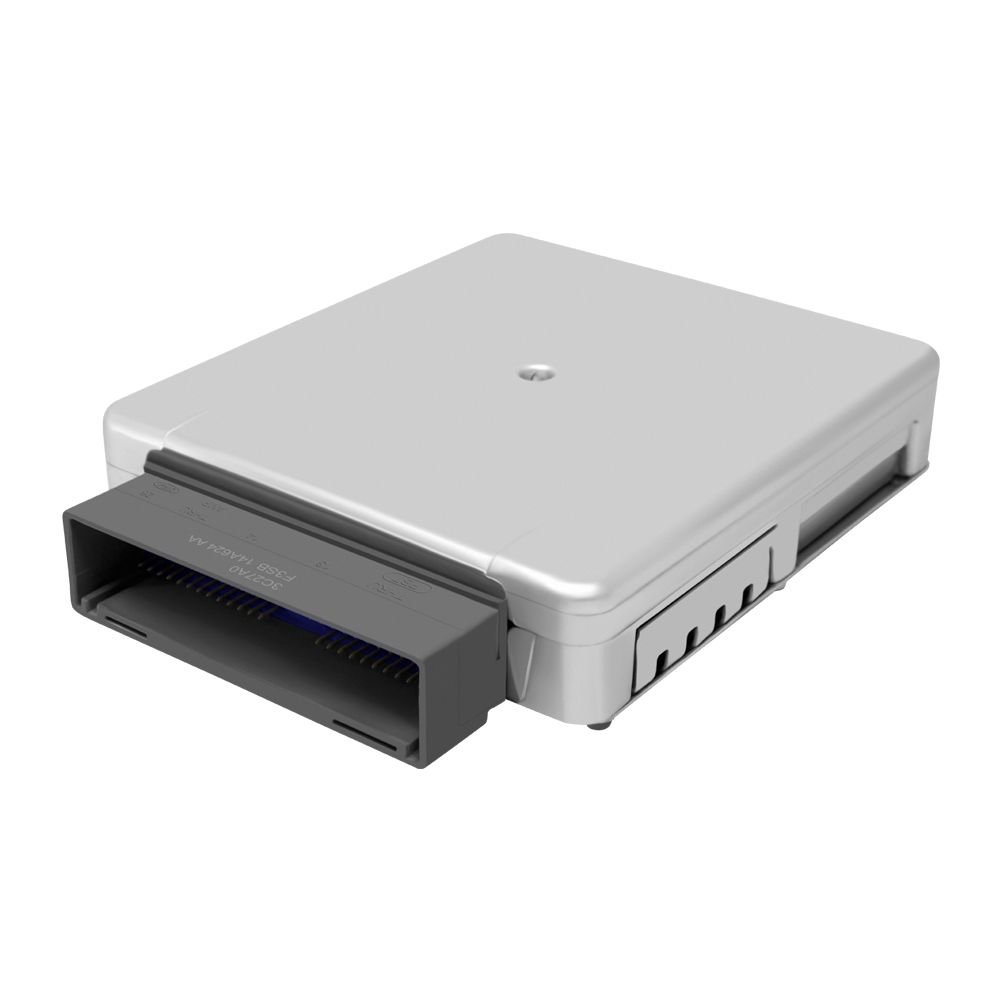
Flagship One stocks a refurbished, VIN-programmed PCM for the 2003 Mazda B4000 with a lifetime warranty, free shipping and no core charge. The full Mazda B4000 module lineup covers other engine configurations as well.
The Powertrain Control Module in your 2003 Mazda B4000 plays a critical role in engine and transmission performance. Recognizing the symptoms of a failing PCM, understanding the replacement process, and following proper post-installation procedures can help you avoid costly repairs and downtime. Whether you’re tackling the job yourself or relying on a professional, selecting the right replacement unit and ensuring it’s properly programmed will keep your B4000 running smoothly for years to come.