
Last updated on August 25th, 2026 at 01:59 pm
In the 2006 Mazda B4000 the Powertrain Control Module (PCM) serves as the central computer that monitors and directs engine and transmission functions. A malfunction can interrupt fuel delivery, spark timing, and shift commands, leading to no‑start conditions, rough idle, or loss of power. The PCM also stores diagnostic codes that help pinpoint failures within the powertrain system.
When a 2006 Mazda B4000 exhibits intermittent no‑start behavior, rough running, or unexpected shift changes, the powertrain control module may be the root cause. This guide explains what the PCM does in this model, how to recognize its failure, and what steps are involved in replacing it correctly. You will learn the typical labor time, the necessary post‑install programming, and practical tips to keep the new unit operating reliably. By the end, you should feel confident whether to pursue a repair or consider a refurbished replacement that meets factory specifications.
The Powertrain Control Module in the 2006 Mazda B4000 acts as the brain for both engine and transmission management. It receives input from a network of sensors—such as throttle position, crankshaft speed, and transmission gear data—and translates those signals into precise fuel injection, ignition timing, and shift commands. Because the PCM orchestrates the interaction between the engine and drivetrain, any loss of communication can cause the vehicle to stall, fail to start, or shift erratically. Maintaining accurate sensor data and a stable power supply is essential for its operation. The module also stores diagnostic trouble codes that technicians use to identify issues. Understanding this role highlights why a properly programmed replacement is critical for reliable performance. replacement powertrain control modules for the 2006 Mazda B4000 ensures the vehicle returns to factory‑specified behavior.
2006 Mazda B4000
OEM programmed ECM for your 2006 Mazda B4000 — plug & play, no dealer visit.
Free shipping · Lifetime warranty
The PCM in the 2006 Mazda B4000 is mounted within the engine compartment, typically attached to the firewall near the fuse box. Access requires removal of a protective cover and disconnecting the battery to prevent electrical surges. The factory labor guide assigns a book time of 0.5 hours for removal and installation, reflecting the straightforward nature of the job. Technicians must secure the new unit with the original mounting bolts and reconnect the harnesses, ensuring all pins seat fully. After the physical swap, the vehicle’s electrical system should be re‑energized and a quick visual inspection performed to confirm proper connection before proceeding to programming.
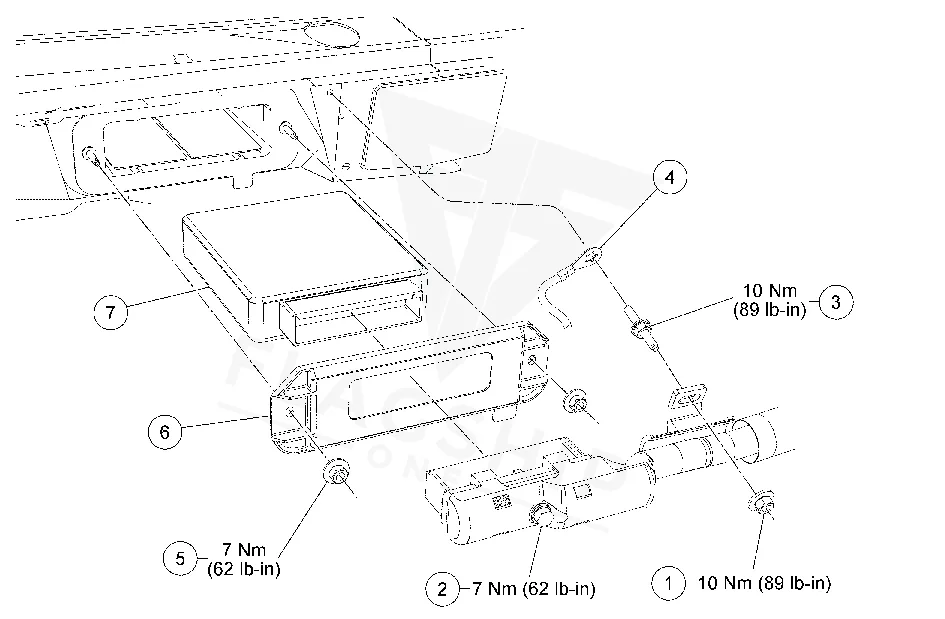
Work with the ignition off, and treat the module as static-sensitive: avoid touching the connector pins at any point.
| Operation | Configuration | Book Time |
|---|---|---|
| Powertrain Control Module R&R | B2300 | 0.5 hr |
| Powertrain Control Module R&R | B3000 | 0.5 hr |
| Powertrain Control Module R&R | B4000 | 0.5 hr |
| Powertrain Control Module Relearn | B2300 | 0.5 hr |
| Powertrain Control Module Relearn | B3000 | 0.5 hr |
| Powertrain Control Module Relearn | B4000 | 0.5 hr |
| Engine Control Module R&R | B2300 | 0.5 hr |
| Engine Control Module R&R | B3000 | 0.5 hr |
Following PCM installation, the factory procedure calls for a relearn operation that takes an additional 0.5 hours. This step re‑establishes sensor baselines and allows the vehicle’s control strategies to adapt to the new unit. Flagship One supplies a VIN‑programmed replacement, meaning the unit already contains the correct calibration data for your specific B4000. Consequently, the relearn can be completed with a simple scan‑tool session, or in many cases the unit operates without further coding. a VIN-programmed replacement unit reduces shop time and eliminates the risk of mismatched software.
When the PCM begins to fail in a 2006 Mazda B4000, drivers often notice a sudden loss of power, engine stalling at idle, or an inability to start the vehicle altogether. The check engine light may flash, and diagnostic scans frequently reveal misfire codes or communication errors. In some cases, the transmission may shift harshly or default to limp mode, reflecting the module’s loss of control over gear commands. A typical fault code observed is PCM clock signal error, which indicates internal timing issues within the module and often accompanies the broader symptoms described.
The replacement procedure is relatively simple and listed as 0.5 hours of labor, but you must follow proper safety steps, disconnect the battery, and ensure the new unit is VIN‑programmed to avoid additional coding.
Common codes include P0601 for clock signal errors, as well as misfire and transmission control codes that appear when the module cannot communicate with sensors or actuators.
Yes, the factory service information specifies a 0.5‑hour relearn to calibrate sensor baselines, though a VIN‑programmed unit may simplify this step.
Maintain a healthy charging system, keep connectors clean, avoid voltage spikes, and address any diagnostic codes promptly to reduce stress on the module.
A refurbished unit that has been tested and VIN‑programmed can meet factory specifications, offering comparable performance when installed correctly.
When the PCM in your 2006 Mazda B4000 needs attention, you can either have a certified shop perform the replacement and relearn, or choose a refurbished, VIN‑programmed unit from Flagship One that arrives ready for installation. Both paths restore the vehicle’s engine and transmission control, but a pre‑programmed replacement can reduce shop time and simplify the post‑install process.
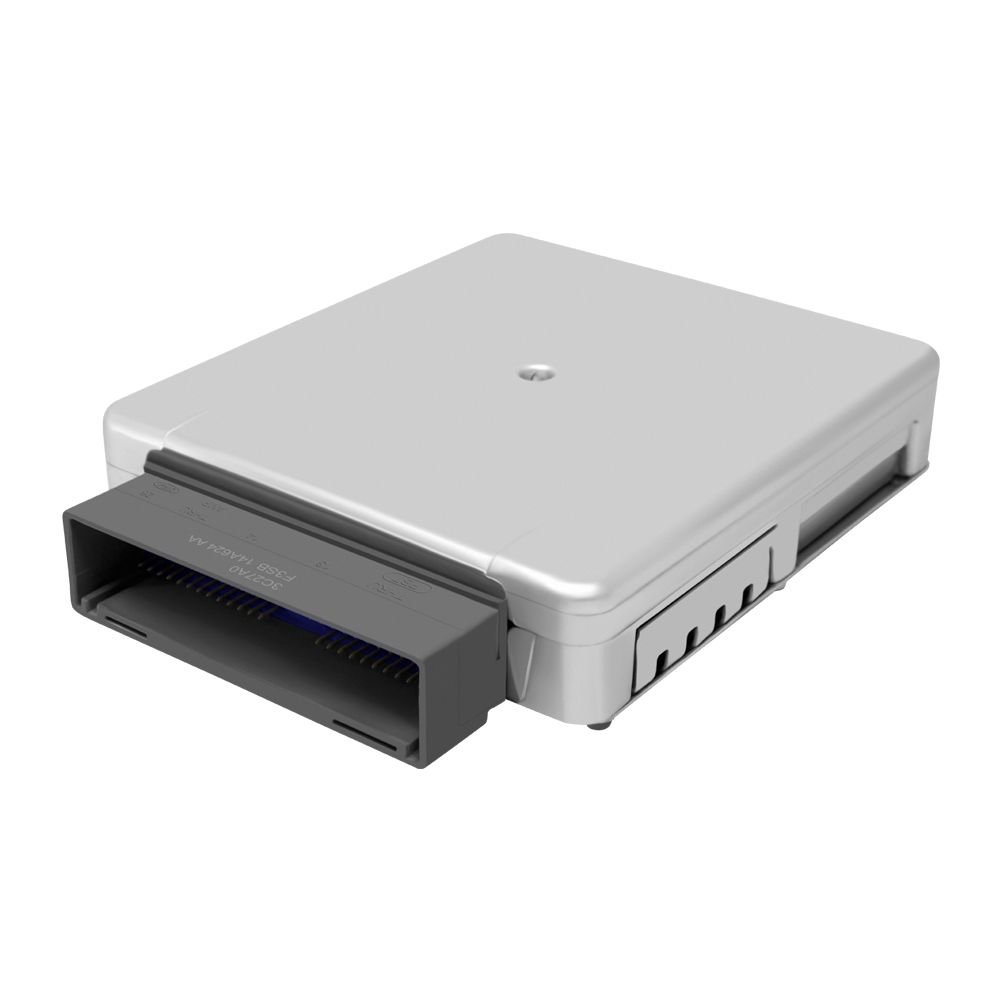
Flagship One stocks a refurbished, VIN-programmed PCM for the 2006 Mazda B4000 with a lifetime warranty, free shipping and no core charge. The full Mazda B4000 module lineup covers other engine configurations as well.
Replacing the PCM in a 2006 Mazda B4000 restores reliable engine and transmission operation. Whether you opt for a new or refurbished unit, ensuring proper installation and a brief relearn will get your truck back on the road. Consider a VIN‑programmed replacement to streamline the process.