
Last updated on August 25th, 2026 at 02:00 pm
The powertrain control module (PCM) in the 2000 Mazda B4000 manages fuel delivery, ignition timing, and emissions systems. Failures may cause hard starts, rough idle, or complete no-crank conditions.
If your 2000 Mazda B4000 suddenly refuses to start, stalls at stoplights, or throws a check engine light with no clear cause, the powertrain control module (PCM) may be at fault. This small but critical computer oversees everything from fuel injection to transmission shifting, making it a key component in your vehicle’s drivability. When it fails, symptoms can range from subtle performance issues to complete immobilization. Replacing the PCM in this pickup is straightforward, with labor times typically under an hour, but the factory requires an additional relearn procedure to ensure proper operation. Understanding the role of this module, where it’s located, and what to expect during replacement can help you make informed decisions about repairs. Whether you’re diagnosing an intermittent issue or planning a full replacement, knowing these details ensures you’re prepared for the process and potential costs involved.
The powertrain control module in the 2000 Mazda B4000 serves as the brain of the engine and transmission, coordinating fuel delivery, ignition timing, and emissions controls. It constantly monitors sensors throughout the vehicle, adjusting parameters in real time to optimize performance and efficiency. Without a functioning PCM, your B4000 may struggle to start, run erratically, or even fail to shift gears properly. This module also plays a role in diagnosing issues, storing trouble codes when systems fall out of specification. Over time, exposure to heat, vibration, or electrical fluctuations can degrade its performance, leading to symptoms like rough idle or unexpected stalling. When replacement becomes necessary, you’ll need a unit compatible with the 4.0L engine, and replacement engine computers for the B4000 are designed to restore factory-level functionality without extensive reprogramming hassles.
2000 Mazda B4000
OEM programmed ECM for your 2000 Mazda B4000 — plug & play, no dealer visit.
Free shipping · Lifetime warranty
The PCM in the 2000 Mazda B4000 is located inside the engine bay, typically mounted near the firewall on the passenger side. Accessing it requires removing a protective cover or panel, though the exact steps may vary depending on aftermarket modifications or vehicle condition. According to factory labor guides, removing and replacing the module takes 0.5 hours, assuming no complications like corroded connectors or seized fasteners. The process involves disconnecting the battery, unplugging the wiring harness, and removing the mounting bolts before installing the new unit. No special tools are specified, but ensuring clean, secure connections is critical to avoid future electrical issues. Once installed, the factory requires a relearn procedure, which also carries a 0.5-hour labor time to synchronize the module with the vehicle’s systems.
Work with the ignition off, and treat the module as static-sensitive: avoid touching the connector pins at any point.
| Operation | Configuration | Book Time |
|---|---|---|
| Powertrain Control Module R&R | B2500 | 0.5 hr |
| Powertrain Control Module R&R | B3000 | 0.5 hr |
| Powertrain Control Module R&R | B4000 | 0.5 hr |
| Powertrain Control Module Relearn | B2500 | 0.5 hr |
| Powertrain Control Module Relearn | B3000 | 0.5 hr |
| Powertrain Control Module Relearn | B4000 | 0.5 hr |
| Engine Control Module R&R | B2500 | 0.5 hr |
| Engine Control Module R&R | B3000 | 0.5 hr |
After replacing the PCM in your 2000 Mazda B4000, the factory mandates a 0.5-hour relearn procedure to ensure the new module communicates correctly with the engine and transmission. This process typically involves using a scan tool to reset adaptive values and recalibrate sensor inputs. However, if you opt for a VIN-programmed replacement unit, these steps are already completed before the part arrives. Flagship One units are pre-configured to match your vehicle’s specific configuration, eliminating the need for additional programming at the shop. This not only saves time but also reduces the risk of errors during the relearn process, which can sometimes lead to drivability issues if not performed correctly. Always verify that the replacement unit is compatible with your B4000’s 4.0L engine to avoid compatibility issues.
When the PCM in a 2000 Mazda B4000 begins to fail, symptoms often start subtly but can escalate quickly. Common signs include intermittent stalling, especially at idle or during deceleration, as the module struggles to maintain proper fuel and spark delivery. You may also notice rough running or misfires, which can trigger a check engine light and store codes related to fuel trim or ignition timing. In some cases, the vehicle may fail to start altogether, with no crank or no spark conditions. Another telltale sign is poor communication with a scan tool, where the PCM either fails to respond or provides incomplete data. If the module is partially functional, you might experience shifting issues, such as delayed or harsh gear changes, as the transmission relies on the PCM for shift points. One specific code associated with PCM failures in this vehicle is an EGR valve heater circuit fault, which can indicate internal module degradation or wiring issues. Addressing these symptoms promptly can prevent further damage to related systems, such as the catalytic converter or transmission.
Mazda issued service bulletins addressing specific PCM-related issues in the 2000 B4000 and similar models. One bulletin notes that the 3.0L engine’s PCM hardware does not support reflashing, meaning software updates are not an option for resolving certain drivability issues. Another bulletin highlights a common problem with the MIL illuminating due to DTC P1409, which involves the EGR valve heater hoses and wiring harness. These bulletins emphasize the importance of inspecting related components before assuming the PCM itself is faulty, as external issues can mimic module failures.
| Bulletin | Subject | What It Addresses |
|---|---|---|
| — | Mazda Tips: 3.0 L No Reflash Due To PCM Hardware (1998 2000) | — |
| — | Mazda Tips: MIL On, DTC P1409(Egrvr) Heater Hoses And Harness | — |
Intermittent stalling in your B4000 is often linked to PCM issues, particularly if the module struggles to maintain proper idle control. The problem may stem from degraded internal circuitry or poor ground connections, causing the engine to cut out under load. A scan tool can help identify stored codes or erratic sensor readings that point to the PCM as the root cause.
Yes, a failing PCM can prevent your B4000 from starting by disrupting fuel or spark delivery. If the module fails to send signals to the fuel pump, injectors, or ignition coils, the engine may crank without firing. Testing for spark and fuel pressure can help isolate whether the PCM is at fault or if another component, like the crankshaft position sensor, is to blame.
Reprogramming is rarely an option for the 2000 B4000 PCM due to hardware limitations, as noted in Mazda service bulletins. If your vehicle exhibits persistent drivability issues, such as stalling, misfires, or no-start conditions, replacement is typically the recommended solution. A diagnostic scan can confirm whether the PCM is unresponsive or generating incorrect signals, which often indicates internal failure.
Skipping the PCM relearn procedure after replacement may result in poor drivability, including rough idle, erratic shifting, or reduced fuel efficiency. The relearn process ensures the new module adapts to your vehicle’s specific sensor inputs and operating conditions. Without it, the PCM may default to generic values, leading to suboptimal performance or even triggering additional trouble codes.
No official recalls or extended warranties specifically target the PCM in the 2000 B4000. However, if your vehicle is experiencing repeated PCM failures, it’s worth checking with a Mazda dealer to see if any goodwill programs apply. In most cases, replacement is the owner’s responsibility, though aftermarket solutions can provide a cost-effective alternative to OEM parts.
If your 2000 Mazda B4000 is experiencing PCM-related issues, you have options beyond costly dealer repairs. A refurbished or remanufactured replacement unit can restore functionality at a fraction of the price, especially when pre-programmed to your VIN. Given the labor times involved, ensuring the new module is ready to install can save both time and diagnostic headaches. Whether you’re dealing with a no-start condition or intermittent drivability problems, addressing the PCM promptly can prevent further damage to your vehicle’s engine or transmission.
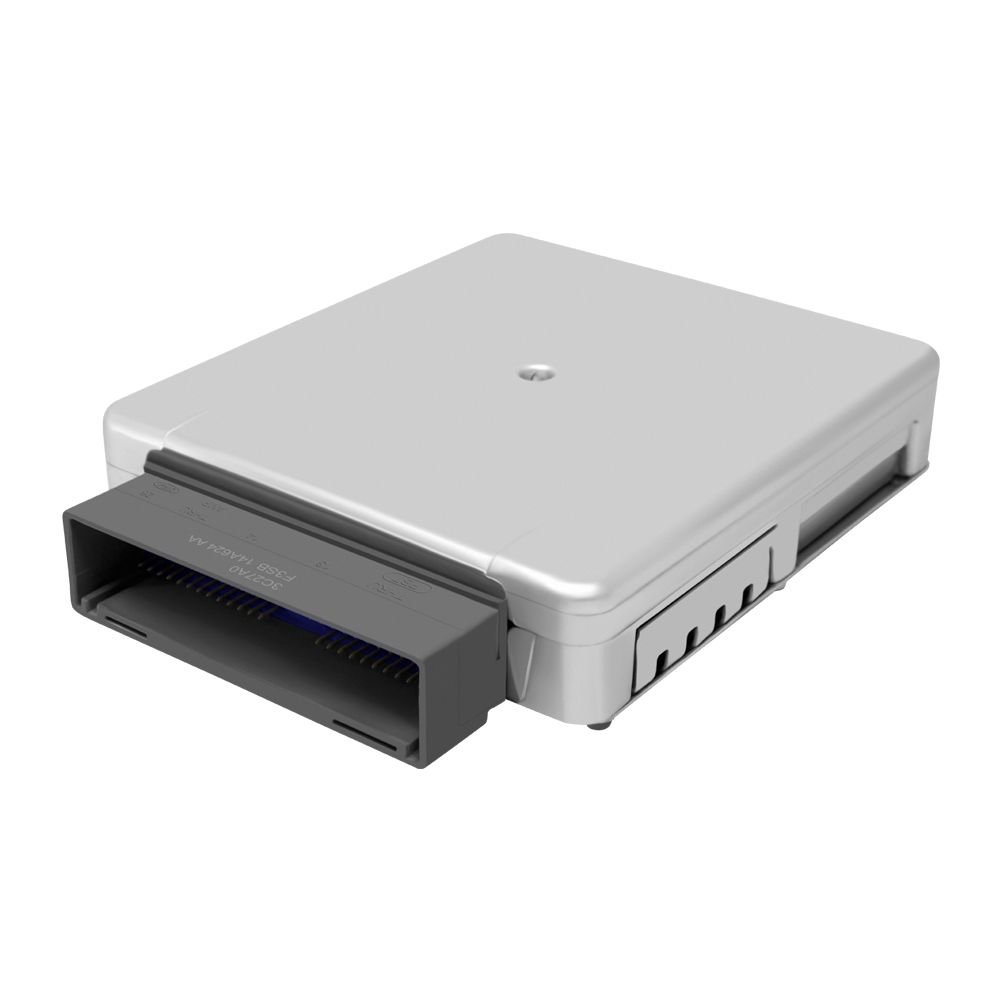
Flagship One stocks a refurbished, VIN-programmed PCM for the 2000 Mazda B4000 with a lifetime warranty, free shipping and no core charge. The full Mazda B4000 module lineup covers other engine configurations as well.
The 2000 Mazda B4000 relies on its PCM to manage critical engine and transmission functions, making it a vital component for reliable operation. If you’re facing symptoms like stalling, misfires, or no-start conditions, a failing PCM may be the culprit. Replacement is straightforward, with labor times typically under an hour, and opting for a pre-programmed unit can simplify the process further. By understanding the role of this module and the steps involved in replacement, you can make informed decisions about repairs and keep your B4000 running smoothly for years to come.