
Last updated on August 25th, 2026 at 02:00 pm
The Powertrain Control Module (PCM) in your 1997 Mazda B4000 4.0L is the main computer that manages engine timing, fuel delivery, and emissions. When it fails, you may experience rough idle, no-start conditions, or check-engine lights with diagnostic trouble codes like P0340 or P1405.
If your 1997 Mazda B4000 with the 4.0L engine is experiencing rough idle, stalling, or a check-engine light that won’t go away, the Powertrain Control Module (PCM) may be at fault. The PCM is the brain of your truck’s engine management system, and when it starts to fail, symptoms can mimic other problems like bad sensors or fuel system issues. This guide covers what the PCM does in your B4000, common failure symptoms, and what to expect if you need to replace it. You’ll learn about the factory labor times for removal and installation, the required relearn procedure, and how a pre-programmed replacement can save you time. We also summarize relevant Mazda service bulletins that address known issues with this vehicle, including loose ECU grounds and specific diagnostic trouble codes. Whether you’re a DIY owner or a shop technician, this information helps you diagnose and resolve PCM-related problems efficiently.
The Powertrain Control Module (PCM) in your 1997 Mazda B4000 4.0L is a sealed electronic unit that continuously monitors and adjusts engine operation. It receives input from sensors like the crankshaft position sensor, camshaft position sensor, oxygen sensors, and throttle position sensor. Based on that data, it controls fuel injector pulse width, ignition timing, idle speed, and transmission shift points (if automatic). The PCM also runs self-diagnostics and stores trouble codes when it detects a fault. In the B4000, a failing PCM can cause the engine to run rich or lean, misfire, or fail to start. Because the module is specific to your truck’s engine calibration and VIN, a replacement must be correctly programmed. That’s where replacement engine computers for the 1997 Mazda B4000 come into play—they must match the original specifications to ensure proper driveability and emissions compliance. Without a correctly matched PCM, you may experience persistent check-engine lights or poor performance.
1997 Mazda B4000
OEM programmed ECM for your 1997 Mazda B4000 — plug & play, no dealer visit.
Free shipping · Lifetime warranty
The replacement procedure for the PCM on your 1997 Mazda B4000 is assigned a book time of 0.5 hours for removal and installation. An additional 0.5 hours is required for the factory relearn procedure. The PCM is typically located in the engine bay, often on the driver’s side near the firewall or under the dashboard on the passenger side. Access may require removing a cover or bracket. Disconnect the battery before starting, then unplug the wiring harness connectors and remove the mounting bolts. Installation is the reverse, ensuring connectors are fully seated and the ground wire is clean and tight—a loose ECU ground is a known issue per Mazda service tips.
| Operation | Configuration | Book Time |
|---|---|---|
| Powertrain Control Module R&R | B2300 | 0.5 hr |
| Powertrain Control Module R&R | B4000 | 0.5 hr |
| Powertrain Control Module Relearn | B2300 | 0.5 hr |
| Powertrain Control Module Relearn | B4000 | 0.5 hr |
| Engine Control Module R&R | B2300 | 0.5 hr |
| Engine Control Module R&R | B4000 | 0.5 hr |
| Engine Control Module Relearn | B2300 | 0.5 hr |
| Engine Control Module Relearn | B4000 | 0.5 hr |
After installing a new or replacement PCM in your 1997 Mazda B4000, the factory procedure requires a relearn process that takes 0.5 hours. This involves driving the vehicle through specific speed and load conditions so the module can adapt to the engine’s characteristics. However, when you choose a VIN-programmed replacement unit from Flagship One, that relearn step is already completed. The module arrives with your vehicle’s VIN and original calibration data loaded, so it is ready to plug in and drive. This eliminates the need for a dealer visit or scan-tool programming, saving you time and expense. Simply install the unit, reconnect the battery, and start the engine—the PCM will immediately communicate with the sensors and begin normal operation.
A failing PCM in your 1997 Mazda B4000 can produce a range of symptoms that may be mistaken for other issues. The engine may crank but not start, or it may start and stall shortly after. You might notice a rough idle, hesitation during acceleration, or poor fuel economy. The check-engine light may illuminate with codes such as camshaft position sensor code or P1405, which relate to camshaft position sensor circuit malfunction and exhaust gas recirculation (EGR) system performance, respectively. Other common signs include intermittent misfires, transmission shifting problems (if automatic), and a complete loss of communication with a scan tool. Because the PCM controls so many functions, any electrical issue—like a loose ground or corroded connector—can mimic module failure. Always check wiring and grounds before condemning the PCM.
Mazda has issued several service bulletins relevant to the 1997 B4000. One bulletin, titled ‘Mazda Tips: Driveability Problems: Ecu Ground Loose,’ addresses customer complaints of rough idle or poor driveability caused by a loose ECU ground connection. Another bulletin, ‘Mazda Tips: MIL On With DTC P0340,’ covers the check-engine light illuminated with a camshaft position sensor code. Additionally, bulletin F028/97 describes MIL illumination with DTC P1405 but notes no driveability concerns. These bulletins suggest checking grounds and sensor circuits before replacing the PCM.
| Bulletin | Subject | What It Addresses |
|---|---|---|
| — | Mazda Tips: Driveability Problems: Ecu Ground Loose | s If a customer complains of rough idle, or poor |
| — | Mazda Tips: MIL On With DTC P0340 | — |
| — | F028/97 MIL Illumination With DTC P1405 No Driveability Concerns | — |
Common signs include a no-start condition, rough idle, stalling, or a check-engine light with codes like P0340 or P1405. However, these symptoms can also be caused by faulty sensors or wiring. A professional diagnosis with a scan tool is recommended to confirm the PCM is the issue.
Yes, the removal and installation is straightforward with basic hand tools. The book time is 0.5 hours. However, you will need to perform a relearn procedure after installation unless you use a pre-programmed unit. Ensure you disconnect the battery and handle the module carefully to avoid static damage.
The factory relearn takes 0.5 hours and typically involves driving the vehicle through a specific sequence of speeds and loads so the PCM can adapt to the engine’s idle and fuel trims. A scan tool may be required to initiate the process. A VIN-programmed replacement eliminates this step.
Yes, Mazda has a service tip about driveability problems caused by a loose ECU ground. If you experience rough idle or poor performance, check the ground connection at the PCM and the engine block. Tightening or cleaning the ground may resolve the issue without replacing the module.
P0340 indicates a malfunction in the camshaft position sensor circuit. This can be caused by a faulty sensor, damaged wiring, or a failing PCM. Mazda has a bulletin for this code. Check the sensor and wiring first before replacing the PCM.
When your 1997 Mazda B4000 needs a new PCM, you have two main options: have a dealer install and program a new unit, or choose a refurbished replacement that comes pre-programmed to your VIN. The dealer route involves the 0.5-hour installation plus the 0.5-hour relearn, which can add labor costs. A refurbished unit from a specialist like Flagship One arrives ready to install, saving you the programming step and often costing less. For a 4.0L B4000, ensure the replacement matches your engine calibration and emissions configuration.
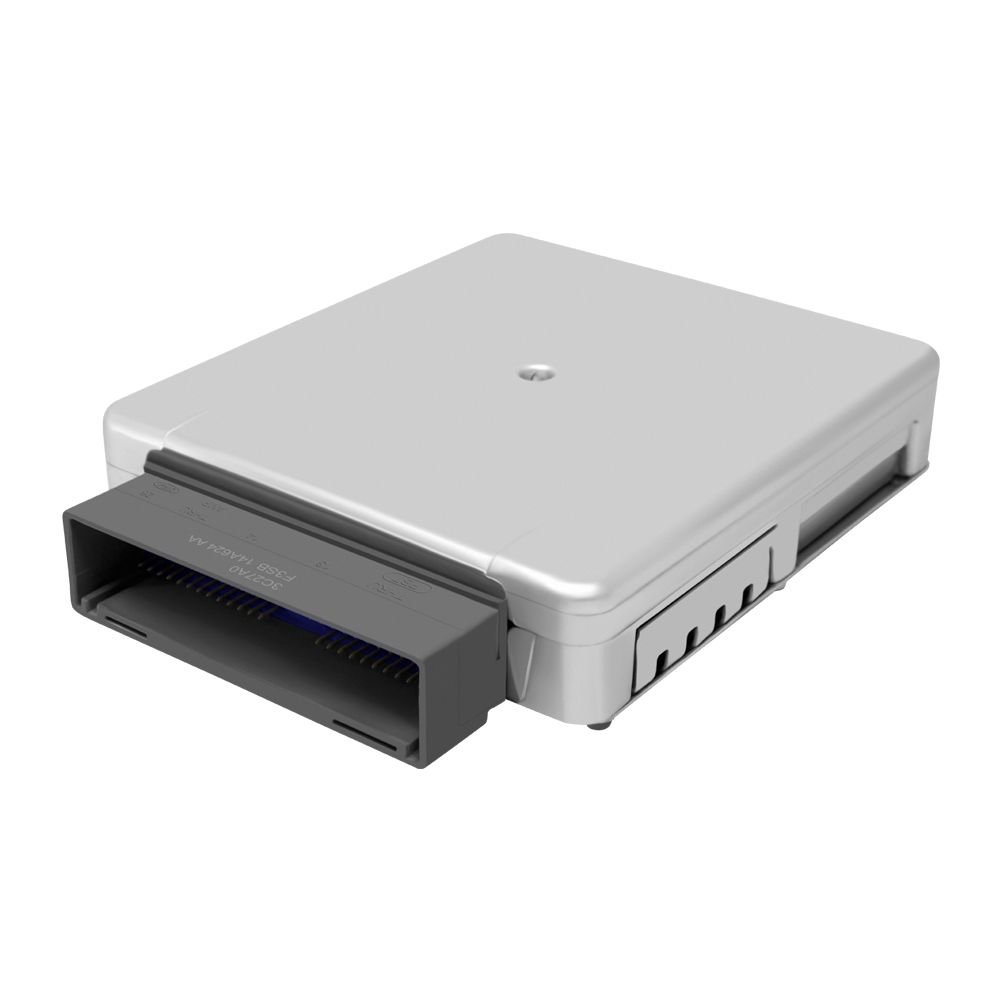
Flagship One stocks a refurbished, VIN-programmed PCM for the 1997 Mazda B4000 with a lifetime warranty, free shipping and no core charge. The full Mazda B4000 module lineup covers other engine configurations as well.
The PCM in your 1997 Mazda B4000 4.0L is a critical component that controls engine performance and emissions. Recognizing symptoms like rough idle, no-start, or MIL codes P0340 and P1405 can help you diagnose problems early. Replacement is straightforward with a 0.5-hour book time, but the factory relearn adds another 0.5 hours. A VIN-programmed replacement from Flagship One eliminates that extra step, getting your truck back on the road faster.