
Last updated on August 25th, 2026 at 02:01 pm
The Powertrain Control Module on your 1995 MX-6 serves as the central computer for the 2.0L engine, managing fuel delivery, ignition timing, and transmission functions through pre-programmed algorithms. When this module fails, your vehicle may exhibit poor drivability, intermittent stalling, hard starting, or unresponsive throttle response.
If your 1995 Mazda MX-6 is running rough, stalling unexpectedly, or refusing to start altogether, the Powertrain Control Module may be the culprit. This single computer coordinates nearly every major system in your vehicle, processing sensor data and commanding actuators to keep the 2.0L engine running smoothly. Pre-OBD-II vehicles like the MX-6 relied on less standardized diagnostic systems, which means troubleshooting requires a different approach than you might expect from later models. Understanding how this module works, where it lives in your vehicle, and what the replacement process involves will help you make an informed decision about repairs. This guide covers everything you need to know about diagnosing, replacing, and programming the PCM on your 1995 Mazda MX-6.
The Powertrain Control Module in your 1995 Mazda MX-6 functions as the central nervous system of the 2.0L four-cylinder engine. This single unit manages multiple critical functions that would later be separated across different modules in OBD-II vehicles. The module receives input from sensors measuring engine temperature, throttle position, oxygen content in the exhaust, and barometric pressure, then calculates optimal fuel injector pulse widths and ignition timing advance based on that data. It also controls the automatic transmission shift points and torque converter lockup on models equipped with this option. Unlike later vehicles with standardized OBD-II protocols, the MX-6’s pre-OBD-II architecture means the PCM stores faults internally and communicates through a different diagnostic system entirely. The module processes all this information in real-time, adjusting commands every few engine revolutions to maintain performance, fuel economy, and emissions control. Heat exposure from its mounting location near the firewall, voltage stress from charging system irregularities, and age-related component degradation can all compromise the module over time. Many owners eventually face the decision to seek replacement engine computers for the MX-6 as these units approach their third decade of service. The pre-OBD-II design means fewer standardized diagnostic trouble codes, making fault isolation more challenging without understanding the module’s specific behavior patterns.
Flagship One keeps Mazda MX-6 replacement engine computers in stock for exactly this failure pattern.
1995 Mazda MX-6
OEM programmed ECM for your 1995 Mazda MX-6 — plug & play, no dealer visit.
Free shipping · Lifetime warranty
The PCM on your 1995 Mazda MX-6 mounts on the passenger-side firewall in the engine bay, positioned near the brake fluid reservoir and the EVAP canister assembly. Access typically requires removing the passenger-side kick panel trim in the interior footwell, along with any associated wiring harness clips securing the module in place. The connector housing uses weatherproof seals that should be carefully disconnected to avoid damaging the pins during removal. Book time for removal and installation generally runs approximately one hour of labor, though actual time may vary depending on the vehicle’s condition and how accessible the mounting location remains after years of service. After disconnecting the negative battery terminal, you would remove the trim panel, disconnect the electrical connector, unbolt the module from its mount, and install the replacement in reverse order. Always verify that all connector seals are intact and that the new module seats properly in its mounting bracket before reassembly.
After installing a replacement PCM on your 1995 Mazda MX-6, the factory service procedure requires connecting a professional diagnostic tool to enter the vehicle identification number and configure calibration settings specific to your vehicle. This initialization step ensures proper communication between the module and the transmission control system on automatic models, and must be completed before the vehicle can be driven normally. The process typically involves selecting the replacement module function on the scan tool, entering the 17-character VIN, and allowing the tool to upload the correct calibration file. Without completing this procedure, the engine may run poorly or the transmission may fail to shift properly. Flagship One addresses this requirement directly by programming each replacement unit with your specific VIN before shipping, so those initialization steps are already done when the module arrives. You can install the pre-programmed replacement and reconnect the battery without needing to schedule a dealer visit or locate a shop with the appropriate diagnostic equipment.
Every VIN-programmed replacement unit from Flagship One arrives with these steps already completed.
When the PCM begins failing on your 1995 MX-6, symptoms often develop gradually and may worsen over time before becoming constant. Hard starting or a no-start condition frequently appears first, especially when the engine is warm or after the vehicle sits for an extended period. Intermittent stalling while driving creates dangerous situations, particularly in traffic, and the engine may stall repeatedly until the underlying fault progresses. Poor idle quality manifests as rough running, excessive vibration, or an irregular idle speed that fails to stabilize. The automatic transmission may exhibit harsh shifting, failure to shift into higher gears, or inability to engage gears properly, since the PCM commands shift scheduling and line pressure. In some cases, the check engine light function may itself fail, making it impossible to detect stored fault codes without accessing the module’s internal memory through the diagnostic connector. Misfire conditions and fuel mixture irregularities also stem from incorrect commands to the fuel injectors or ignition system. These symptoms often overlap with other mechanical failures, which is why systematic diagnosis matters before assuming the module itself is at fault.
Mazda has not released service bulletins specifically addressing Powertrain Control Module replacement for the 1995 MX-6 as documented in available factory records. This does not indicate the module is immune to failure on these vehicles—rather, the pre-OBD-II era meant less standardized diagnostic procedures and fewer formal communications from the manufacturer about known issues. Independent repair databases and technician experience form the primary knowledge base for diagnosing and repairing these systems on older Mazda models. When pursuing repairs, rely on documented repair procedures and verify that any replacement module carries appropriate programming for your specific vehicle configuration.
The MX-6 uses a Mazda-specific self-diagnostic system that requires jumpering specific terminals at the diagnostic connector—typically the TEN and GND pins—then turning the ignition to ON without starting the engine. The check engine light will flash in a sequence representing two-digit fault codes. This system differs significantly from the standardized OBD-II protocols used on 1996 and newer vehicles, requiring familiarity with Mazda’s flash code system for effective diagnosis.
The replacement module must be matched to your vehicle’s exact configuration, including engine type, transmission style, and any factory-installed options. The module stores your vehicle identification number in memory, and mismatched programming causes poor drivability, transmission problems, or a no-start condition. Using the correct part for your specific MX-6 configuration ensures all systems communicate properly and the vehicle operates as designed.
If the replacement unit arrives from the supplier already programmed with your vehicle identification number, you can install it directly without any dealer visit or scan tool programming step. However, if you source a generic or unprogrammed unit, the factory procedure requires a professional diagnostic tool with Mazda software to enter the VIN and upload the correct calibration. Pre-programmed replacements eliminate this requirement and allow installation without specialized equipment.
While sensor failures and wiring issues are more common than module failure, certain patterns suggest the PCM itself may be at fault—multiple unrelated codes appearing simultaneously, symptoms that persist after sensor replacement, or complete loss of communication with the diagnostic system. If the check engine light fails to illuminate during bulb check or codes cannot be retrieved despite a running concern, the module may not be processing inputs correctly.
The longevity of a replacement module depends on the underlying causes of the original failure and how well the vehicle’s electrical system is maintained. A properly programmed replacement installed with clean connectors and good grounds may provide years of reliable service. Protecting the module from heat exposure, voltage stress, and moisture intrusion significantly extends its operational life.
Repairing versus replacing the Powertrain Control Module on your 1995 Mazda MX-6 requires weighing cost against reliability. In-house repair of the original module may be possible for certain failures, though success depends on the extent of internal damage and the technician’s expertise with vintage electronics. A certified refurbished replacement offers known-good reliability with updated components, while a new old stock unit provides brand-new hardware if available. Weigh the costs, availability, and warranty coverage of each option against how long you plan to keep driving your MX-6.
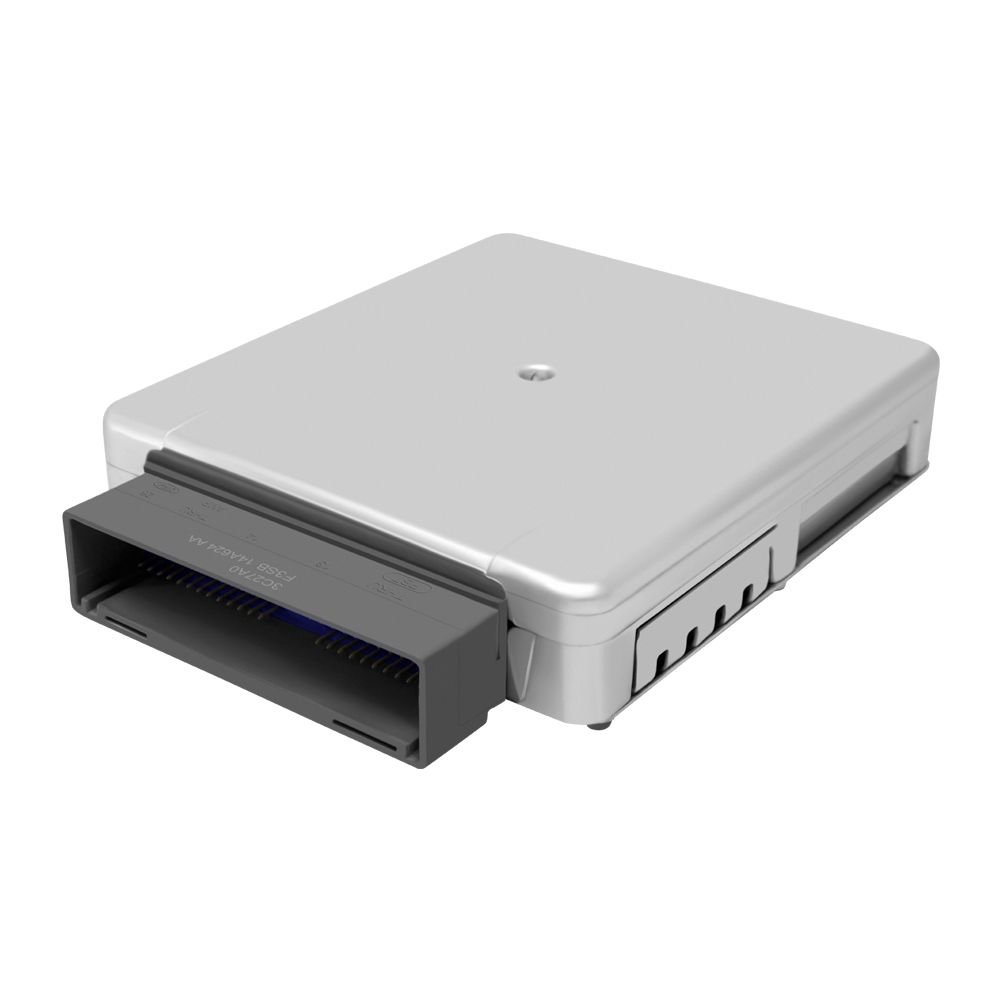
Flagship One stocks a refurbished, VIN-programmed ECM for the 1995 Mazda MX-6 with a lifetime warranty, free shipping and no core charge. The full Mazda MX-6 module lineup covers other engine configurations as well.
The Powertrain Control Module remains a critical component on your 1995 Mazda MX-6, and failure creates drivability concerns that make the vehicle unreliable. Understanding the module’s functions, recognizing failure symptoms, and knowing what the replacement process involves help you approach the repair with confidence. Flagship One offers VIN-programmed replacement modules for the MX-6, arriving ready to install without additional programming steps.