
Last updated on August 25th, 2026 at 01:06 pm
The engine computer on a 1991 Mazda MX-6 2.2L manages fuel delivery, ignition timing, and idle behavior using factory calibration data. When it fails, the engine typically loses driveability or refuses to start at all.
If your 1991 Mazda MX-6 2.2L is running rough, stalling, or refusing to start at all, the engine computer is one of several components worth considering. A standalone ECU is a meaningful repair on a car of this vintage, and the process looks different from swapping a module on a newer vehicle. This guide explains what the engine computer does inside the MX-6, where it sits in the car, and what replacement actually involves for an owner in the shop or the driveway. You will also see how the post-installation steps differ from those of modern cars, and why a pre-programmed replacement can save a trip to the dealer. By the end, you should have a clear picture of the symptoms to watch for, the time and access the job requires, and the questions worth asking before buying a replacement for your 2.2L MX-6.
The engine computer on the 1991 Mazda MX-6 2.2L is the small electronic module responsible for keeping the four-cylinder engine running cleanly. It reads inputs from sensors around the engine bay, decides how much fuel to inject and when to fire each plug, and adjusts idle speed as accessories and temperature change. On a 2.2L naturally aspirated engine, those decisions happen many times per second, and the calibration stored in the module has to match the original Mazda specifications for that engine and transmission combination.
Because this MX-6 was built before the universal OBD-II standard took effect, the engine computer also handles its own self-checks using the diagnostic conventions of that era. It does not emit generic P-codes the way a 1996 or newer vehicle would. Instead, fault information is read through Mazda-specific blink patterns or a manufacturer-level scan tool. The module is paired with a calibration that was loaded at the factory, and that calibration is what makes the engine behave correctly. When the internal electronics age or the memory becomes corrupted, the engine can start hard, run poorly, or stop communicating with diagnostic equipment entirely.
The engine computer matters because nearly every running symptom on a 1991 MX-6 traces back, directly or indirectly, to the decisions it makes. A healthy module keeps the 2.2L responsive, fuel-efficient, and emissions-compliant for its model year. A weak or failed module can mimic many other problems, which is why confirming the actual cause before replacing the part is so important. Owners looking at replacement engine computers for the MX-6 should think of the module as the brain that ties together fuel, spark, and idle control for this specific engine.
1991 Mazda MX-6 2.2L
OEM programmed ECM for your 1991 Mazda MX-6 2.2L — plug & play, no dealer visit.
Free shipping · Lifetime warranty
On the 1991 Mazda MX-6 2.2L, the engine computer is mounted inside the passenger compartment rather than in the engine bay. It typically sits behind the dashboard on the passenger side, often tucked near the kick panel or the lower edge of the glove box area. Reaching it usually means removing a trim panel or a small access cover to expose the mounting bracket and the wiring connector.
Once the panel is out of the way, the swap itself is straightforward. The mounting hardware is generally a pair of bolts or nuts, and the main connector is a single multi-pin plug that releases when the locking tab is pressed. The installer disconnects the negative battery cable before touching the wiring, unbolts the old module, swaps it for the replacement, and reconnects everything in the reverse order. There is no special tooling required, just basic hand tools and a clean workspace so nothing falls into the open dashboard cavity. Because the module lives behind trim rather than under the hood, the job is more about careful access than heavy mechanical work, and the unit itself is small and light once it is free of its bracket.
A factory replacement of the engine computer on a 1991 Mazda MX-6 2.2L is not a simple plug-and-play job. The new module has to be loaded with the correct calibration data for the engine, transmission, and emissions equipment that came on the vehicle. In a dealer setting, this step is performed with a Mazda-compatible scan or programming tool, and it has to be done before the engine will run correctly. Skipping or botching the programming leaves the car with a no-start, a hard start, or a long period of rough running while the module tries to relearn.
There is also a relearn period after the new computer is installed. Idle speed, fuel trim, and timing adjustments are relearned through normal driving, and the process works best when the battery is fully charged and no other faults are stored. Owners who replace the module themselves often need a second vehicle or a shop visit to complete the programming step, which adds time and cost to the repair. A VIN-programmed replacement unit from Flagship One arrives with the calibration already loaded for the specific MX-6 it is built for, so the programming step is finished before the box is opened. The result is a faster installation and a much shorter window of relearn driving.
A failing engine computer on the 1991 Mazda MX-6 2.2L can produce a long list of driveability complaints, which is why careful diagnosis matters. One of the most common signs is a no-start condition where the engine cranks normally but never fires. The starter works, the battery is strong, fuel is reaching the rail, and spark is present at the plugs, yet the engine simply will not run. When the module has lost its ability to trigger the injectors or the coil, that is exactly what a driver experiences.
Stalling is another frequent complaint. The car may run well for a few minutes and then quit at a stop light, or it may die randomly while cruising at a steady speed. A related symptom is a sudden drop in fuel economy combined with rough idle, where the engine surges or shakes at a stop. Misfires under load, hesitation when the throttle is pressed, and a check-engine light that lights up without storing a readable code are also common on a worn module.
Because this MX-6 predates OBD-II, the codes it sets are not the P-codes a modern scan tool is designed to read. Owners often see a steady or flashing light on the dash, but the only way to pull useful information is through Mazda’s own diagnostic blink pattern or a compatible factory tool. Loss of communication with that tool is itself a strong clue that the module’s internal logic has failed. Other supporting signs include a dead or unreliable idle air control response, transmission shifting that feels inconsistent on automatic cars, and a battery that drains overnight because a stuck relay inside the module keeps a circuit energized. Any of these on a 1991 MX-6 2.2L is a reason to test the computer before replacing it, because the same symptoms can also come from wiring, sensors, or grounds.
The module sits inside the passenger compartment, typically behind the dashboard on the passenger side near the kick panel or lower glove box area. Removing a trim panel or access cover is usually required to reach the mounting hardware and the main wiring connector.
No. This model predates the OBD-II standard, so it does not emit generic P-codes through a standard scan tool. Faults are read through Mazda’s own blink-pattern system or a manufacturer-level diagnostic tool.
Yes. A weak module can produce stalling, hard starting, rough idle, and transmission behavior that look very similar to bad sensors, bad grounds, or wiring faults. Testing the module directly is the only way to be sure before spending money on a replacement.
Factory replacements require loading the correct calibration data for the engine, transmission, and emissions equipment. Without that step, the car will often not run correctly, and a relearn period follows. A pre-programmed replacement arrives with the calibration already loaded for the specific vehicle.
The mechanical portion of the job is relatively quick once the dashboard trim is out of the way, since the module is held by a small number of bolts and a single connector. The bigger time factor is usually the programming and relearn step rather than the physical swap itself.
When the engine computer on a 1991 Mazda MX-6 2.2L is the confirmed cause of a running problem, owners generally choose between a used original unit, a refurbished replacement, or a pre-programmed new module. Used original units carry some risk because their internal memory has already aged, while a refurbished replacement is typically tested and reloaded with current calibration data. For a car of this vintage, where dealer programming access is limited, a pre-programmed replacement is often the most practical path because it removes the dealer-level setup step and shortens the time the car is out of service.
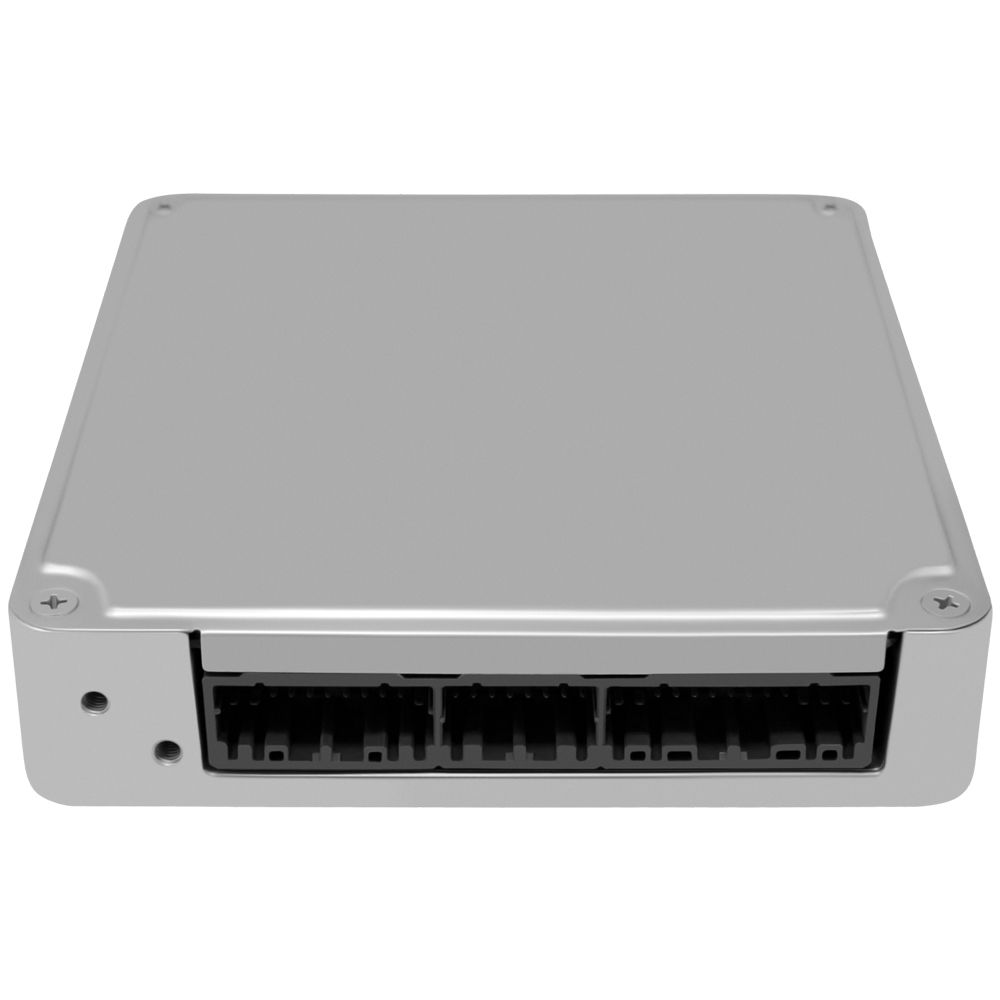
Flagship One stocks a refurbished, VIN-programmed ECM for the 1991 Mazda MX-6 with a lifetime warranty, free shipping and no core charge. The full Mazda MX-6 module lineup covers other engine configurations as well.
The 1991 Mazda MX-6 2.2L engine computer is a small module with an outsized role, controlling fuel, spark, and idle behavior across every drive. When symptoms point to the module, confirming the diagnosis first saves money and avoids replacing good parts. For owners ready to move forward, a pre-programmed replacement keeps the repair straightforward and gets the 2.2L back to running the way Mazda intended.