
Last updated on August 25th, 2026 at 02:01 pm
In the 1995 Mazda 929, the powertrain control module (PCM) manages fuel delivery, ignition timing, and emission controls. A malfunction can cause rough running, stalling, or loss of power, and may prevent the engine from starting altogether.
When a 1995 Mazda 929 begins to exhibit hard‑starting, rough idle, or unexpected stalling, the powertrain control module is a common culprit. This electronic unit coordinates fuel injection, spark timing, and emission functions, acting as the brain of the engine. Understanding how the PCM works, where it sits, and what steps are needed for a proper swap can help you avoid unnecessary downtime and ensure that any replacement restores the vehicle to its intended performance. This guide walks you through the module’s role, typical symptoms of failure, where to find it in the 1995 Mazda 929, and what to expect from a Flagship One replacement.
The powertrain control module in the 1995 Mazda 929 monitors inputs from sensors such as throttle position, engine temperature, and crankshaft speed, then calculates the precise amount of fuel and spark timing needed for each combustion cycle. By continuously adjusting these parameters, it helps the engine run efficiently, meet emissions standards, and respond smoothly to driver inputs. A malfunction can disrupt these calculations, leading to drivability problems or a complete loss of engine power. The PCM’s reliability is essential because it directly influences fuel economy, emissions compliance, and overall engine health. For owners seeking a replacement, the market offers replacement engine computers for the 1995 Mazda 929 that match the original specifications and communication protocols.
Engine computer (ECM/PCM)
OEM programmed replacements — plug & play, no dealer visit.
Find yours by year, make & model →
Free shipping · Lifetime warranty
In the 1995 Mazda 929, the PCM is typically positioned beneath the front console, though it may also be found behind the center console. Accessing the module generally involves removing the console trim pieces, which can be done with basic hand tools. Once the trim is out of the way, the PCM is secured with a small set of bolts; removal and installation usually require a modest amount of torque, though specific values are not provided in the available data. The job is often rated at a few labor hours, reflecting the straightforward nature of the removal and reinstallation steps. After the unit is seated, reconnecting the electrical harness completes the physical installation.
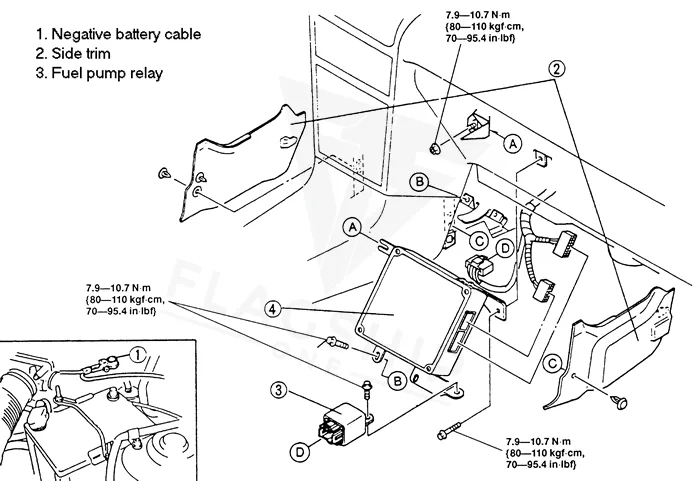
Work with the ignition off, and treat the module as static-sensitive: avoid touching the connector pins at any point.
After installing a new PCM in a 1995 Mazda 929, the factory procedure normally calls for a VIN‑specific programming step to align the module with the vehicle’s unique identifiers and calibration data. Flagship One units arrive pre‑configured, so the required VIN‑programming is already completed. This means you can install the replacement and, with the proper connections, the vehicle will be ready to operate without additional coding. The a VIN-programmed replacement unit eliminates the need for a separate programming session at the dealership.
A failing PCM in a 1995 Mazda 929 may present as a no‑start condition, where the engine cranks but does not fire, or as intermittent stalling while driving. You might also notice rough idle, hesitation during acceleration, or a sudden loss of power that feels like the engine is cutting out. In some cases, the check engine light will illuminate, and the vehicle may report a loss of communication with the control unit. These signs point to the PCM’s inability to process sensor data correctly, which can affect fuel delivery and ignition timing, ultimately compromising drivability.
Typical indications include hard starting, rough idle, unexpected stalling, and the illumination of the check engine light. These symptoms arise because the module can no longer manage fuel and spark timing accurately.
The PCM is accessible under the front or behind the center console and is held by a few bolts. With basic hand tools and care to disconnect the battery, a competent DIYer can perform the swap, though a professional may be preferable for ensuring proper torque and connector handling.
Factory service procedures normally require VIN‑specific programming. Flagship One replacements arrive pre‑programmed, so no additional coding is necessary after installation.
A properly refurbished unit that has been tested and VIN‑programmed should restore the vehicle’s original performance, provided it matches the original specifications and is installed correctly.
Regular visual inspections during routine maintenance are advisable, especially checking for corrosion, loose pins, or damaged seals that could affect the module’s operation.
When the PCM in your 1995 Mazda 929 needs attention, you can choose between a new factory‑equivalent part or a Flagship One refurbished unit. Both options restore the vehicle’s engine management, but the Flagship One solution arrives VIN‑programmed, saving you the extra step of dealer coding. Evaluate your budget and preferred turnaround time to decide which path best fits your repair plan.
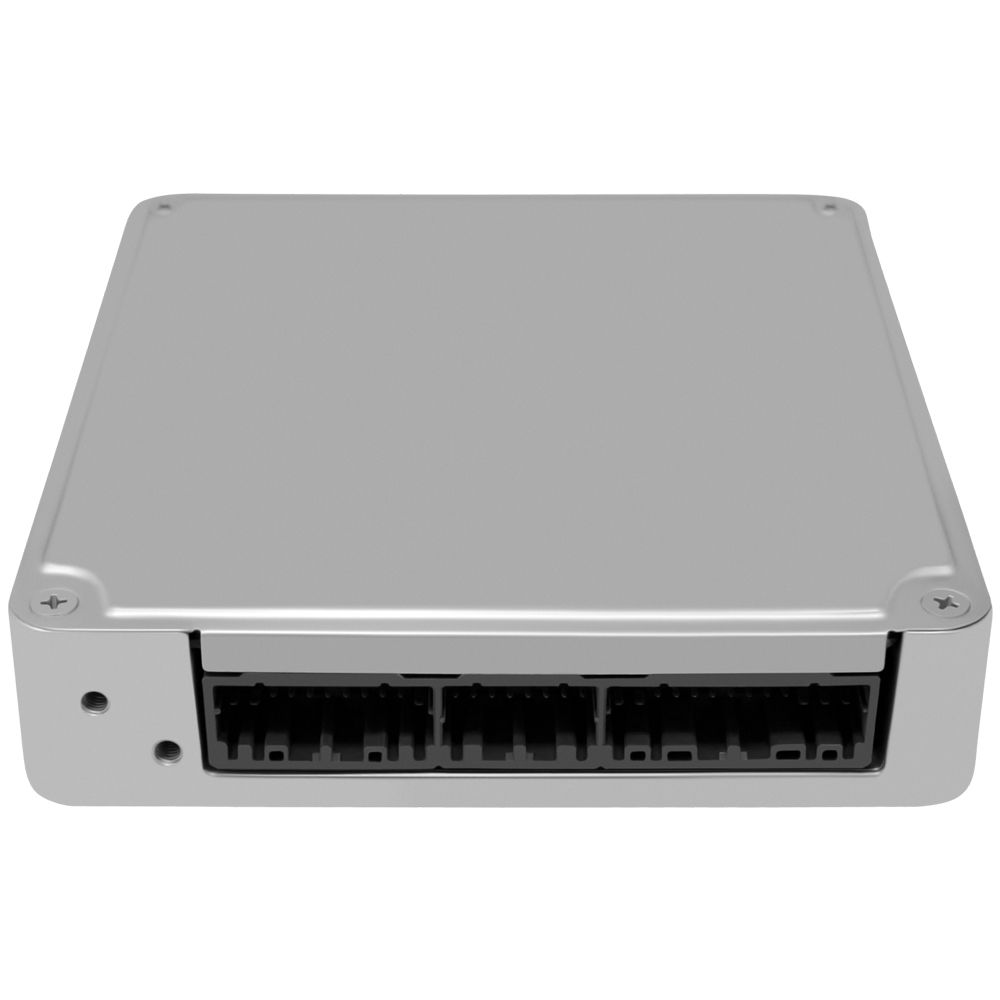
Flagship One stocks a refurbished, VIN-programmed ECM for the 1995 Mazda 929 with a lifetime warranty, free shipping and no core charge. The full Mazda 929 module lineup covers other engine configurations as well.
The powertrain control module is vital to the reliable operation of your 1995 Mazda 929. Whether you opt for a new OEM part or a Flagship One replacement, ensuring proper installation and addressing symptoms early can keep your vehicle running smoothly. Consider a VIN‑programmed unit to simplify the process and get back on the road faster.