
Last updated on August 25th, 2026 at 01:06 pm
The Powertrain Control Module (PCM) in your 1994 Mazda MX-6 is the primary computer managing engine fuel delivery, ignition timing, and transmission shifting. Failure typically stems from age-related component degradation, electrical stress, or thermal cycling.
If your 1994 Mazda MX-6 has developed starting problems, erratic idle behavior, or simply will not run properly, the Powertrain Control Module (PCM) is a component worth investigating. This engine computer serves as the central nervous system for your vehicle’s powertrain, managing critical functions that keep the 2.0L four-cylinder engine running smoothly. Unlike modern OBD-II vehicles, the 1994 MX-6 uses an earlier generation control system that presents unique diagnostic and replacement considerations. This guide walks you through understanding what the PCM does, recognizing failure symptoms, and navigating the replacement process—including the programming steps required to get your vehicle running again. Whether you are performing the repair yourself or discussing options with a professional, you will gain the knowledge needed to make informed decisions about restoring your MX-6’s engine management system.
1994 Mazda MX-6
OEM programmed ECM for your 1994 Mazda MX-6 — plug & play, no dealer visit.
Free shipping · Lifetime warranty
The Powertrain Control Module in your 1994 Mazda MX-6 is an integrated engine and transmission control unit that represents the core of your vehicle’s electronic management system. Unlike some vehicles that separate engine control (ECM) and transmission control (TCM) into distinct modules, the MX-6 combines these functions into a single processor responsible for overseeing fuel injection, ignition timing, idle speed, emissions controls, and automatic transmission shift points. This centralized approach allows the module to coordinate engine power delivery with transmission behavior for optimal driveability and efficiency. The PCM receives input from numerous sensors throughout the engine compartment—including the coolant temperature sensor, throttle position sensor, and oxygen sensors—and uses this data to make real-time adjustments to keep the engine running within acceptable parameters. When the internal circuitry of this module degrades due to thermal stress, voltage spikes, or simple aging of electronic components, the result is often a vehicle that will not start, runs poorly, or exhibits intermittent faults that are difficult to trace to other causes. For owners seeking replacement engine computers for the MX-6, understanding this module’s role is essential to successful diagnosis and repair.
The PCM on a 1994 Mazda MX-6 is located inside the passenger compartment, typically mounted behind the passenger-side kick panel or beneath the dashboard on that side of the vehicle. This interior placement helps protect the module from under-hood heat extremes but exposes it to potential moisture intrusion and physical stress from foot traffic. Replacement involves removing the passenger-side kick panel, disconnecting the electrical harness, transferring any mounting brackets, and reconnecting the new module. The process is straightforward for someone comfortable with interior trim removal, though care must be taken to avoid damaging the plastic retainers and connector pins. After physical installation, the new module requires initialization to establish communication with the vehicle’s sensors and learn idle characteristics specific to your engine. For accurate time estimates, consult a repair manual for your specific model year, as procedures may vary slightly between early and late production within the same model year.
After installing a replacement PCM in your 1994 Mazda MX-6, the factory service procedure requires performing an idle relearn procedure to allow the new module to calibrate to your specific engine’s characteristics. This procedure involves starting the engine and allowing it to idle for approximately thirty minutes with all accessories turned off and the transmission in park or neutral. During this time, the PCM monitors sensor inputs and adjusts fuel delivery and idle speed to achieve proper operation. The importance of this step cannot be overstated—an improperly initialized module may cause rough idle, poor throttle response, or transmission shifting abnormalities. When purchasing a replacement unit from Flagship One, you benefit from pre-programmed VIN matching, which means the module arrives configured for your specific vehicle identification number. This means the essential immobilizer compatibility and basic calibration are already completed, saving you from additional programming steps that would otherwise require dealer-specific equipment or specialized software.
Every VIN-programmed replacement unit from Flagship One arrives with these steps already completed.
When the PCM in a 1994 Mazda MX-6 begins to fail, the vehicle often exhibits a recognizable cluster of symptoms that distinguish electronic control module problems from simpler mechanical issues. The most dramatic presentation is a no-start condition—the engine cranks normally but receives no fuel or spark because the PCM is not outputting the necessary commands. Less severe failures manifest as intermittent stalling, particularly during idle or low-speed maneuvering, where the engine simply cuts out and requires a restart. Misfire conditions that persist despite new spark plugs, wires, and ignition components frequently point toward PCM-related fuel or timing problems. Another telltale sign is the inability to establish communication with the engine control system using a scan tool—modern code readers may not interface at all with the pre-OBD-II system in this vehicle, or may display error messages indicating no response from the controller. Automatic transmission shifting may become erratic or harsh when the transmission control portion of the PCM degrades, leading some owners to suspect transmission problems when the root cause lies in the engine computer. These symptoms often develop gradually, with the vehicle running acceptably one day and exhibiting problems the next, suggesting progressive internal component failure within the module itself.
Factory service bulletins for the 1994 Mazda MX-6 addressing PCM-related concerns are limited in publicly available documentation. Mazda did issue technical service information regarding PCM initialization procedures and intermittent no-start conditions that were traced to poor electrical connections at the module. These bulletins emphasized proper ground connection maintenance and connector terminal cleaning as preventive measures. Owners experiencing recurring faults despite PCM replacement were advised to inspect the related wiring harness and ground points thoroughly before concluding that the replacement module was defective.
A replacement PCM must be matched to your specific vehicle identification number for proper immobilizer compatibility and emission calibration. Using a random used unit without programming may result in a no-start condition or permanent damage to the module.
With basic mechanical skills and proper guidance, the physical replacement is achievable by do-it-yourselfers. The key advantage of purchasing from Flagship One is receiving a unit that is already VIN-programmed, eliminating the need for dealer programming services.
Yes, a failed PCM commonly produces a no-start condition. However, other causes like failed ignition components, fuel pump problems, or timing belt issues can produce identical symptoms. Professional diagnosis is recommended to confirm before replacing the module.
The factory procedure specifies approximately thirty minutes of idle time with the engine at operating temperature. This allows the new module to learn the specific fuel trims and idle characteristics of your engine.
Repair options exist but are typically more expensive than purchasing a new or refurbished replacement unit. For this vehicle age, replacement with a VIN-programmed unit from a reputable supplier is usually the more practical approach.
Deciding between repair and replacement for your 1994 Mazda MX-6’s PCM involves weighing cost against reliability. Repairing an original module can be expensive and may not address underlying issues, while replacement units offer a fresh start with proper calibration. Flagship One provides VIN-programmed replacement engines computers configured specifically for your MX-6, eliminating the guesswork and dealer programming fees that complicate the repair process. Consider your vehicle’s overall condition and how long you plan to keep it when making your final decision.
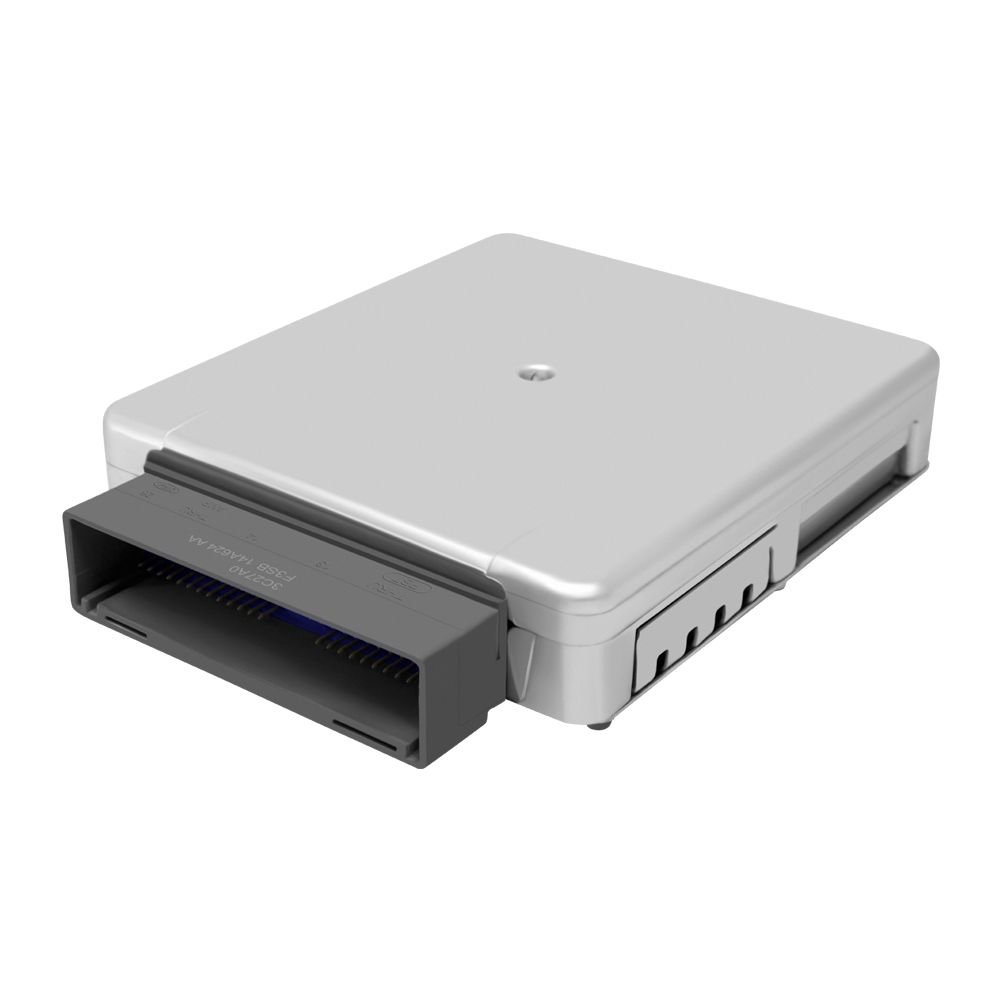
Flagship One stocks a refurbished, VIN-programmed ECM for the 1994 Mazda MX-6 with a lifetime warranty, free shipping and no core charge. The full Mazda MX-6 module lineup covers other engine configurations as well.
The PCM in your 1994 Mazda MX-6 is a critical component that, when functioning properly, keeps your 2.0L engine running efficiently and your automatic transmission shifting smoothly. Recognizing the symptoms of module failure and understanding the replacement process puts you in control of the repair. Whether you tackle the job yourself or rely on professional help, a properly programmed replacement unit will restore your vehicle’s reliability and get you back on the road with confidence in its engine management system.