
Last updated on August 25th, 2026 at 12:13 pm
The engine control module manages critical operations within your 2012 Lexus IS350. Failure often disrupts communication between systems, causing performance losses. Understanding this component helps diagnose issues accurately before pursuing replacement or repair services for your vehicle.
Managing engine performance in your 2012 Lexus IS350 relies heavily on electronic control systems functioning correctly. When these systems encounter errors, you may notice significant changes in how the vehicle operates during daily driving. Understanding the role of the central computer helps you make informed decisions regarding repairs. This guide explains the replacement process using standard labor estimates found in service documentation. You will learn about access requirements and necessary procedures following installation. Recognizing symptoms early allows you to address problems before they affect drivability. Proper handling ensures your vehicle returns to optimal condition without unnecessary complications. We focus on factual data regarding time estimates and access points. Your goal is restoring reliability while minimizing downtime during the service interval. Knowledge of these steps prepares you for discussions with service providers. Technicians often follow specific sequences to ensure safety during component removal. Battery disconnection prevents electrical shorts while working near sensitive electronics. Labor guides suggest specific durations for removing and installing the unit. These estimates help you plan for shop time.
This component serves as the primary brain for managing fuel delivery and ignition timing within your 2012 Lexus IS350. It processes data from various sensors to optimize power output and efficiency. Without proper function, the engine may struggle to maintain stable operation under load. Drivers often experience reduced performance when internal processors fail to execute commands. The system monitors its own health continuously to detect faults. When errors occur, specific codes are stored for diagnostic retrieval. Replacing this unit requires matching the correct hardware to your specific engine configuration. You might consider replacement engine computers for the IS350 when the original unit fails permanently. These modules are calibrated to work with the existing wiring harness and sensor array. Installation restores the ability to manage emissions and drivability parameters effectively. Proper function ensures smooth shifting and consistent throttle response. Neglecting failures can lead to further stress on related mechanical components. Understanding the scope of control helps you appreciate the complexity involved. Service providers use specialized tools to verify communication after installation. Your vehicle depends on this integration for safe operation on the road. The module regulates idle speed to prevent stalling during stops. It also adjusts mixture ratios based on oxygen sensor feedback loops. Thermal management strategies protect internal circuits from overheating during extended use. Voltage fluctuations from the charging system can impact longevity over time. Moisture intrusion near the casing may cause corrosion on connection points.
2012 Lexus IS350
OEM programmed replacements — plug & play, no dealer visit.
Find yours by year, make & model →
Free shipping · Lifetime warranty
Accessing the control unit requires removing the cable attached to the negative terminal to ensure safety. This step prevents accidental short circuits while handling electronic components. Service manuals indicate that removing and installing the powertrain control module takes 0.7 hours. The same duration applies to the engine control module removal and installation process. Technicians follow these estimates to plan service appointments accurately. You should expect the vehicle to be in the shop for this duration. Physical location varies based on specific production configurations. The access path focuses on electrical isolation before work begins. Proper torque specifications should be followed when securing mounting hardware. Reconnecting the battery completes the physical installation phase. Verification steps follow to ensure all connections are secure. Your technician will check for loose fittings before starting the engine. This process minimizes risk to surrounding wiring harnesses.
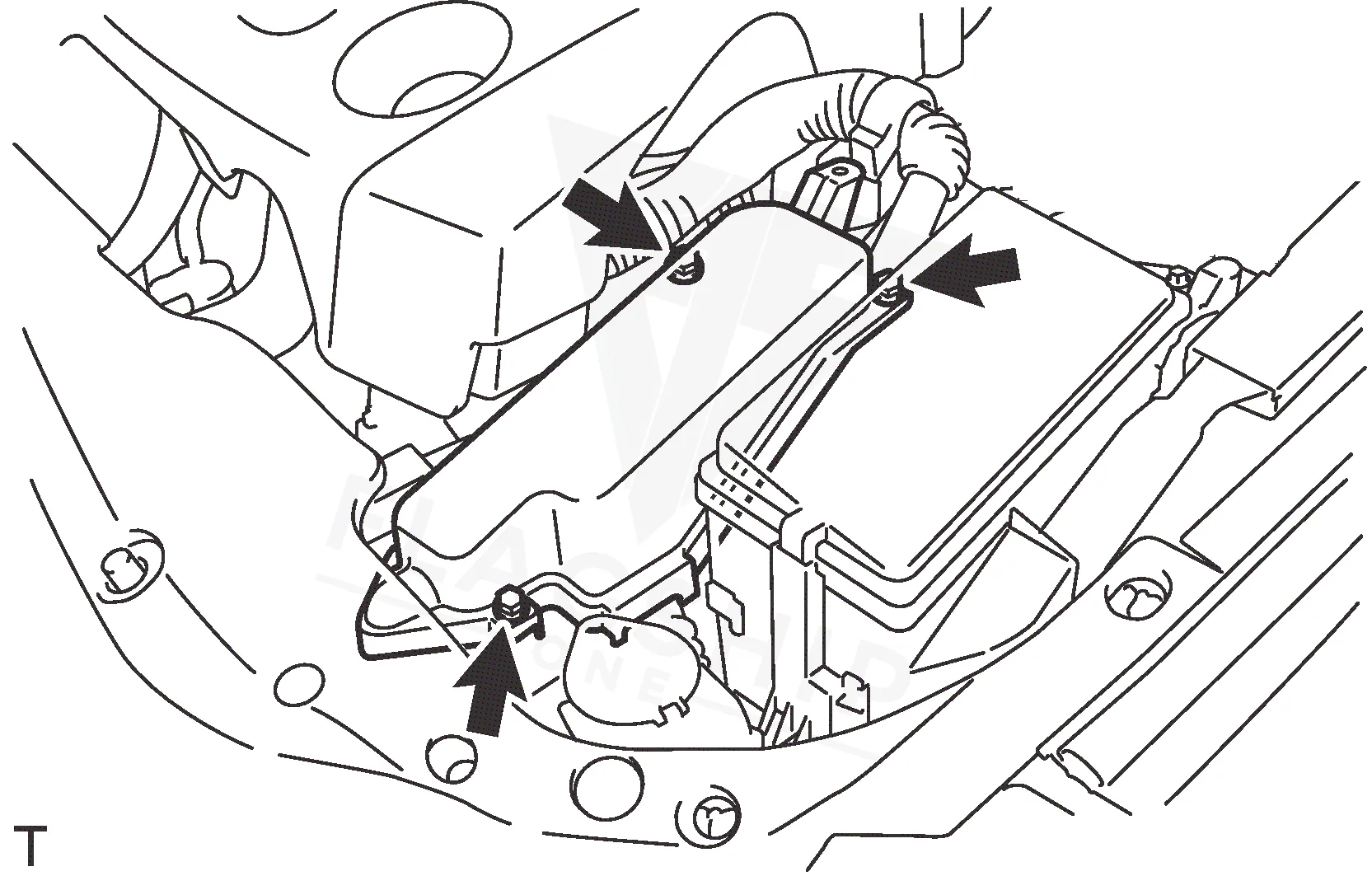
Work with the ignition off, and treat the module as static-sensitive: avoid touching the connector pins at any point.
| Operation | Configuration | Book Time |
|---|---|---|
| Powertrain Control Module R&R | All configurations | 0.7 hr |
| Engine Control Module R&R | All configurations | 0.7 hr |
| Engine Control Module Relearn | All configurations | 0.5 hr |
After physical installation, the system requires a relearn procedure to synchronize with existing parameters. Service data allocates 0.5 hours for this engine control module relearn task. This step ensures the new hardware communicates correctly with sensors. Skipping this process may result in irregular idle or performance issues. Flagship One units arrive VIN-programmed so those steps are already done. You receive a VIN-programmed replacement unit ready for installation without extra coding. This eliminates the need for additional diagnostic tool time. The factory procedure typically involves updating calibration data within the memory. Your vehicle recognizes the new component immediately upon connection. Technicians verify communication links before clearing historical fault codes. This approach reduces overall service time significantly. You avoid complications associated with manual programming sequences. Proper synchronization ensures optimal fuel trim and ignition timing. The process validates that all systems report normal status. Your investment includes this pre-configuration for convenience.
Common signs of module failure include unexpected stalling during idle or acceleration. You may encounter difficulty starting the engine despite a healthy battery. Communication errors with scan tools often indicate internal processor faults. Shifting issues might arise if transmission data becomes corrupted. The check engine light typically illuminates to warn of system errors. Specific diagnostic trouble codes help pinpoint the exact nature of the failure. For instance, a processor performance fault code suggests internal monitoring errors. This indicates the computer cannot verify its own operational status. Loss of power during driving poses a safety risk on busy roads. Intermittent failures may come and go before becoming permanent. Fuel economy often suffers when management strategies default to safe modes. You might notice rough running conditions under load. Exhaust emissions could increase due to improper mixture control. Addressing these signs promptly prevents further damage to related systems. Technicians analyze live data to confirm the source of instability. Your vehicle may enter a limp mode to protect itself. Recognizing these patterns helps you seek appropriate repair services. Ignoring warnings can lead to complete loss of propulsion. Regular diagnostics help catch these issues before they escalate. Voltage spikes from alternator problems can trigger similar symptoms. Corrosion on connectors mimics internal failure signs occasionally. You should rule out wiring issues before replacing the main computer.
Documented internal trouble codes for this vehicle highlight specific processor failures. These codes indicate when the computer detects inconsistencies within its own circuitry. Technicians use these identifiers to confirm the need for replacement. The list below outlines the specific fault recorded for this model.
| Code | Meaning | Full Guide |
|---|---|---|
| P0606 | Module processor failure | Full P0606 guide → |
Labor guides estimate 0.7 hours for removal and installation. Additional time is needed for relearn procedures.
Factory procedures typically require a relearn step taking 0.5 hours. Flagship One units come pre-programmed to skip this.
Technicians must remove the cable attached to the negative terminal. This ensures safety during electronic component handling.
Driving is not recommended as stalling or power loss may occur. Safety risks increase when engine management fails.
Code P0606 often signals performance issues within the computer. This suggests the unit requires replacement or repair.
You have options when facing computer failure in your 2012 Lexus IS350. Repairing the original unit is possible but may not guarantee longevity. Refurbished replacements offer a viable alternative with pre-loaded configuration. Choosing a tested unit reduces installation time and complexity. Consider the benefits of a ready-to-install solution for your vehicle. This approach minimizes downtime and ensures compatibility with your engine.
Flagship One stocks a refurbished, VIN-programmed PCM for the 2012 Lexus IS350 with a lifetime warranty, free shipping and no core charge. The full Lexus IS350 module lineup covers other engine configurations as well.
Restoring your 2012 Lexus IS350 to peak condition requires addressing control module faults directly. Understanding labor times and procedures helps you plan effectively. Proper installation ensures reliable performance for miles ahead. Contact Flagship One for solutions tailored to your specific needs. Your vehicle deserves dependable electronic management systems.