
Last updated on August 25th, 2026 at 02:08 pm
The Engine Control Module (ECM) in your 2003 Lexus ES300 manages fuel delivery, ignition timing, and emissions systems. Failure may lead to poor performance, stalling, or a complete no-start condition due to corrupted data or internal faults.
If your 2003 Lexus ES300 has developed erratic engine behavior, stalling, or transmission shifting issues, the Engine Control Module (ECM) may be at fault. This small but critical computer manages fuel injection, ignition timing, and emissions controls, ensuring smooth operation. When it fails, symptoms can range from a simple no-start condition to subtle drivability problems that worsen over time. Replacing the ECM involves more than just swapping hardware—proper programming and relearn procedures are essential to avoid further issues. Understanding what the ECM does, how to recognize failure symptoms, and what the replacement process entails will help you make informed decisions about repairs. This guide covers the specifics of the 2003 Lexus ES300 ECM, including labor times, programming requirements, and common failure signs to watch for.
The Engine Control Module (ECM) in your 2003 Lexus ES300 serves as the brain of the engine management system. It continuously monitors sensors for data on air intake, throttle position, engine temperature, and exhaust composition, then adjusts fuel delivery and ignition timing in real time. The ECM also communicates with the automatic transmission control module to ensure smooth gear shifts. Over time, electrical surges, moisture intrusion, or internal component degradation may corrupt its programming or cause outright failure. When this happens, the vehicle may exhibit poor fuel economy, rough idling, or even fail to start. Replacing the ECM requires careful attention to detail, as improper installation or programming can lead to persistent drivability issues. For the 2003 Lexus ES300, replacement engine computers for the ES300 are designed to meet factory specifications, but they must be correctly programmed to match your vehicle’s VIN and calibration data to function properly.
2003 Lexus ES300
OEM programmed ECM for your 2003 Lexus ES300 — plug & play, no dealer visit.
Free shipping · Lifetime warranty
The ECM in the 2003 Lexus ES300 is located in the engine bay, typically mounted near the firewall or on the passenger side strut tower. Accessing it involves removing a protective cover and disconnecting the wiring harness. According to labor guides, the removal and replacement (R&R) process typically takes 0.4 hours. Once the old unit is removed, the new ECM must be installed and secured, ensuring all electrical connections are clean and properly seated. No additional hardware or torque specifications are provided, but it’s critical to avoid bending pins or damaging the connector during installation. After physical replacement, a relearn procedure is required to synchronize the ECM with the vehicle’s systems, which adds another 0.5 hours of labor.

| Operation | Configuration | Book Time |
|---|---|---|
| Powertrain Control Module Relearn | All configurations | 0.5 hr |
| Engine Control Module R&R | All configurations | 0.4 hr |
| Engine Control Module Relearn | All configurations | 0.5 hr |
After installing a new ECM in your 2003 Lexus ES300, the factory procedure requires a specific reprogramming and relearn process to ensure proper operation. This involves connecting a diagnostic tester to the vehicle and selecting the appropriate calibration from the ECU reprogramming menu. The factory warns that skipping steps—particularly steps 2 and 4 of the “Flash Reprogram ECM” procedure—may result in harsh automatic transmission shifts. The process includes options to retrieve calibration data from a PC, update the ECU calibration, or clear existing data. However, if you opt for a VIN-programmed replacement unit, these steps are already completed before the unit arrives, eliminating the need for on-site reprogramming and reducing the risk of errors. This ensures your vehicle’s engine and transmission operate as intended without additional labor or diagnostic time.
A failing ECM in your 2003 Lexus ES300 may produce a variety of symptoms, ranging from subtle drivability issues to complete engine shutdown. Common signs include intermittent stalling, especially at idle or during deceleration, as the ECM loses its ability to maintain proper fuel and ignition timing. You may also notice the engine misfiring or running roughly, often accompanied by a check engine light. In some cases, the vehicle may fail to start altogether, as the ECM fails to send the correct signals to the fuel injectors or ignition coils. Transmission shifting problems, such as harsh or delayed gear changes, can also occur if the ECM’s communication with the transmission control module is disrupted. Another telltale sign is poor scan tool communication, where the ECM fails to respond to diagnostic requests. If you encounter a memory integrity fault, it typically indicates an internal ECM failure that requires replacement. Addressing these symptoms promptly can prevent further damage to other engine components.
The factory service information for the 2003 Lexus ES300 includes a caution about the ECM relearn procedure. Specifically, it warns that executing the function labeled ‘RESETTING COMPLETE DO NOT USE THIS THE LEARNED VALUES FUNCTION UNLESS INSTRUCTED BY REPAIR MANUAL’ will erase learned values stored in the ECM. This step should only be performed when explicitly directed by the repair manual to avoid unintended drivability issues. Additionally, the factory highlights that omitting certain steps during the flash reprogramming process—particularly steps 2 and 4—may result in harsh automatic transmission shifting. These cautions underscore the importance of following the exact procedure outlined in the service manual when working with the ECM.
Stalling after an ECM replacement is often due to incomplete relearn procedures. The ECM must relearn fuel trims, idle settings, and transmission shift points. Skipping these steps can cause the engine to run poorly or stall. A diagnostic scan can confirm if the relearn process was successful.
Driving with a failing ECM is risky. While the vehicle may start and run temporarily, erratic behavior like stalling, misfires, or harsh shifting can occur. Prolonged driving with a faulty ECM may also damage other components, such as the catalytic converter or transmission.
Common signs include a no-start condition, stalling, rough idling, or transmission shifting issues. A check engine light with codes like P0601 often indicates ECM failure. Poor scan tool communication is another red flag, as the ECM may fail to respond to diagnostic requests.
Failing to reprogram the ECM after replacement can lead to drivability issues, such as harsh transmission shifts or poor engine performance. The ECM must be calibrated to your vehicle’s VIN and specific engine configuration to function correctly. Skipping this step may also prevent the ECM from communicating with other modules.
Resetting the ECM should only be done when instructed by the repair manual. The factory warns that resetting learned values without proper guidance can cause drivability issues, such as poor idle quality or erratic shifting. Always follow the manufacturer’s procedure to avoid unintended consequences.
If your 2003 Lexus ES300 is experiencing ECM-related issues, you have options for repair or replacement. While a dealership may offer a new unit, refurbished or remanufactured ECM replacements can provide a cost-effective alternative without sacrificing quality. Flagship One units are pre-programmed to your VIN, eliminating the need for on-site calibration and reducing the risk of programming errors. This ensures your vehicle’s engine and transmission operate smoothly from the moment of installation.
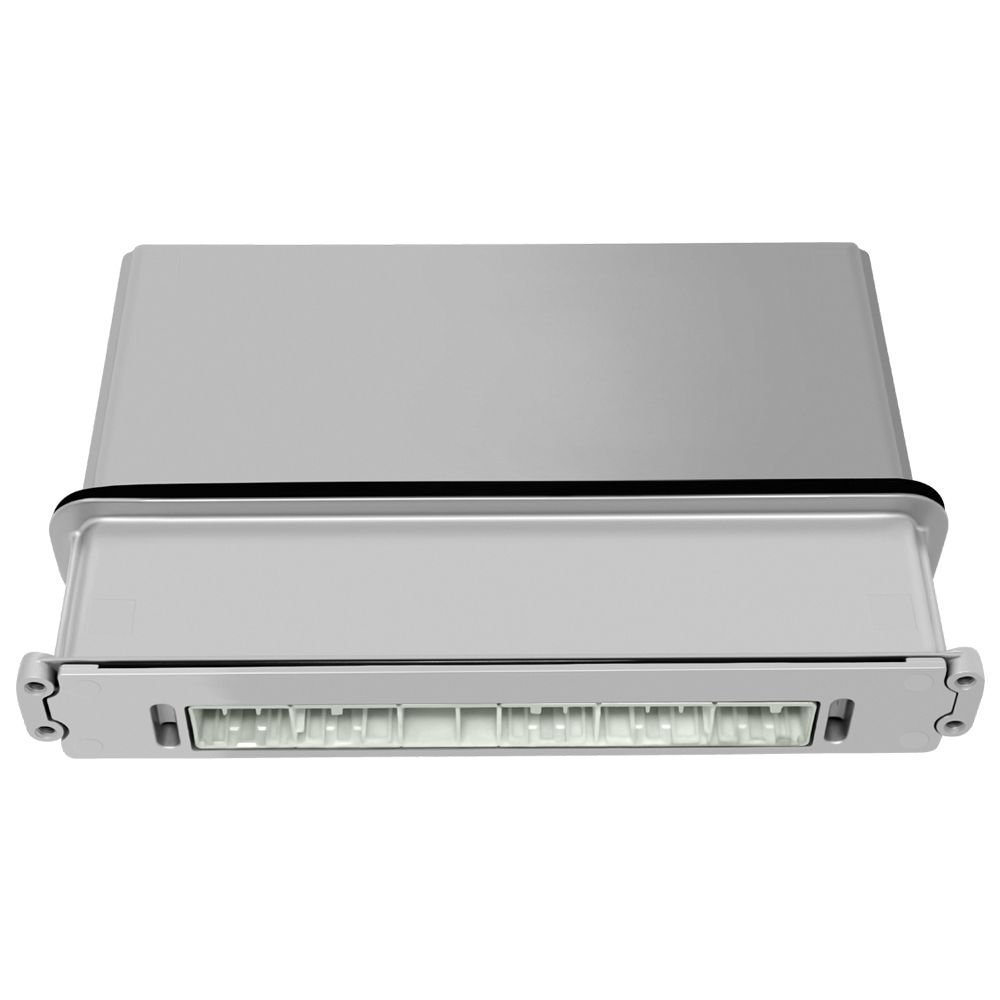
Flagship One stocks a refurbished, VIN-programmed PCM for the 2003 Lexus ES300 with a lifetime warranty, free shipping and no core charge. The full Lexus ES300 module lineup covers other engine configurations as well.
The ECM in your 2003 Lexus ES300 plays a critical role in engine performance, fuel efficiency, and transmission behavior. Recognizing the signs of failure early and understanding the replacement process can save time and prevent further damage. Whether you choose to replace the ECM yourself or have it professionally installed, ensuring proper programming and relearn procedures is key to restoring your vehicle’s reliability. With the right approach, your Lexus ES300 can continue to deliver the smooth, dependable performance it was designed for.