
Last updated on August 25th, 2026 at 02:08 pm
The Engine Control Module (ECM) in your 1999 Lexus ES300 manages fuel injection, ignition timing, and emissions systems. Failure may cause erratic engine behavior, poor performance, or a complete no-start condition.
If your 1999 Lexus ES300 is experiencing unexplained stalling, misfires, or a no-start condition, the Engine Control Module (ECM) may be at fault. This small but critical computer oversees fuel delivery, ignition timing, and emissions systems. Replacing it involves more than just swapping hardware—proper programming and relearn steps are essential to restore smooth operation. Understanding the process helps you avoid unnecessary delays and ensures your vehicle runs as intended. This guide covers what the ECM does, where to find it, and how to handle replacement and programming efficiently.
The Engine Control Module in your 1999 Lexus ES300 acts as the brain of the engine, continuously adjusting fuel injection, ignition timing, and idle speed based on sensor inputs. Without it, your vehicle may struggle to start, run roughly, or even fail emissions tests. Over time, electrical stress or internal faults can degrade its performance, leading to noticeable drivability issues. When replacement becomes necessary, opting for replacement engine computers for the ES300 ensures compatibility and avoids the pitfalls of used or mismatched units. Proper installation and programming are key to restoring reliable operation.
1999 Lexus ES300
OEM programmed ECM for your 1999 Lexus ES300 — plug & play, no dealer visit.
Free shipping · Lifetime warranty
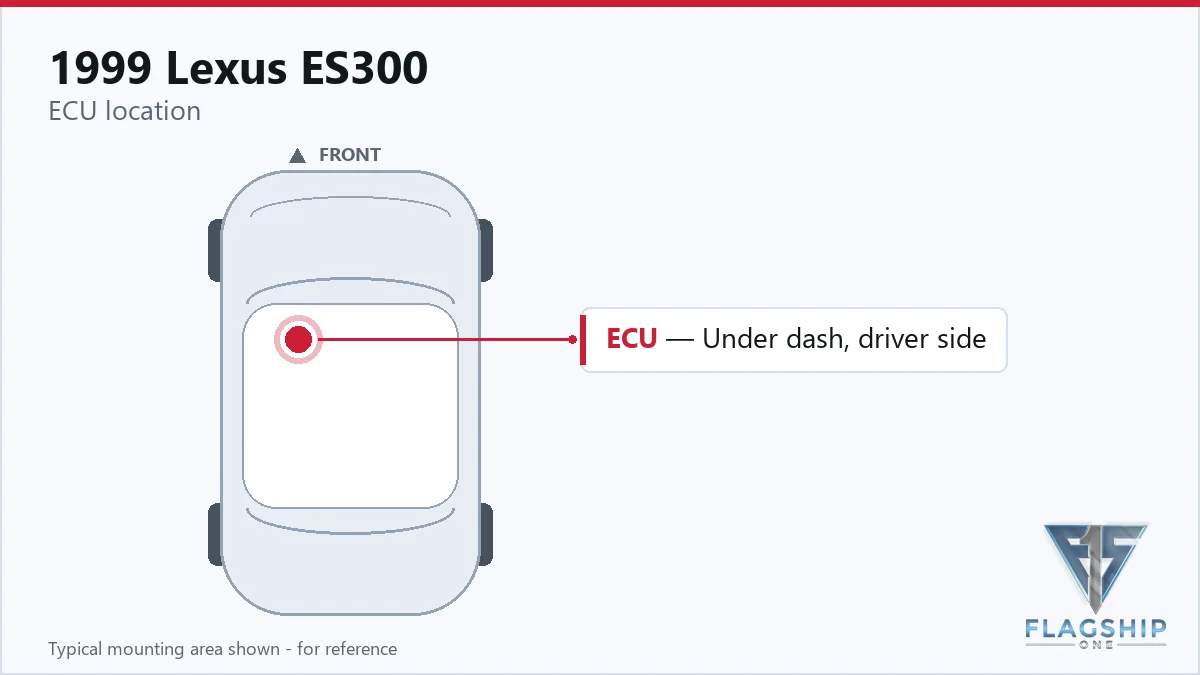
In the 1999 Lexus ES300, the ECM is located behind the instrument panel, as specified in the factory wiring guide. Accessing it requires removing interior trim panels, which adds minimal complexity to the job. Labor time for Engine Control Module removal and replacement is typically 0.5 hours. Once the old unit is disconnected, the new ECM can be installed in the same location. No additional hardware or modifications are required, though care should be taken to ensure all connectors are securely fastened to prevent future electrical issues.
| Operation | Configuration | Book Time |
|---|---|---|
| Powertrain Control Module Relearn | All configurations | 0.5 hr |
| Engine Control Module R&R | All configurations | 0.5 hr |
| Engine Control Module Relearn | All configurations | 0.5 hr |
After replacing the ECM in your 1999 Lexus ES300, a relearn procedure is often required to synchronize the module with the vehicle’s systems. This step typically takes 0.5 hours and may involve using a scan tool to reset memory functions. However, when you install a VIN-programmed replacement unit, these steps are already completed, saving you time and potential frustration. This ensures the new ECM communicates correctly with the engine and transmission from the moment it’s installed.
A failing ECM in your 1999 Lexus ES300 may cause a range of symptoms, including intermittent stalling, rough idling, or a complete no-start condition. You might also notice poor fuel economy, misfires, or the check engine light illuminating with codes related to fuel or ignition systems. In some cases, the vehicle may enter a limp-home mode, limiting power to prevent further damage. If you scan for codes and find an internal control module memory error, it often points to ECM failure and the need for replacement or reprogramming.
Lexus issued service bulletin #TC002-03 to address ECM memory reset procedures for 1998–2005 models, including the 1999 ES300. This bulletin outlines steps to clear stored data and restore default settings, which may resolve intermittent drivability issues without requiring a full module replacement. If your vehicle exhibits symptoms like stalling or rough running, this procedure could be a first step before considering a new ECM.
| Bulletin | Subject | What It Addresses |
|---|---|---|
| TC002-03 | :TC002-03: ECM Reset Memory Function: 98-05 Applicable Models (Revised) | — |
Intermittent stalling in the ES300 can often be traced to a failing ECM, particularly if the issue occurs after the vehicle has cooled. The module may struggle to maintain proper fuel or ignition settings when cold, leading to stalling. A VIN-programmed replacement unit typically resolves this issue.
Driving with a faulty ECM is not recommended, as it may cause unpredictable behavior like stalling, misfires, or even a no-start condition. In some cases, the vehicle may enter a limp-home mode, limiting power to prevent damage. Addressing the issue promptly ensures safe and reliable operation.
If your vehicle exhibits symptoms like stalling, misfires, or a no-start condition, a scan tool can help determine whether the ECM is faulty. Codes like P0601 often indicate internal failure, requiring replacement. If the module is still functional but acting erratically, a memory reset or relearn procedure may restore normal operation.
If your 1999 Lexus ES300 is showing signs of ECM failure, you have options. A repair shop can attempt reprogramming or relearn procedures, but these may not resolve underlying hardware issues. A VIN-programmed replacement unit ensures compatibility and eliminates the need for post-install programming, getting your vehicle back on the road faster.
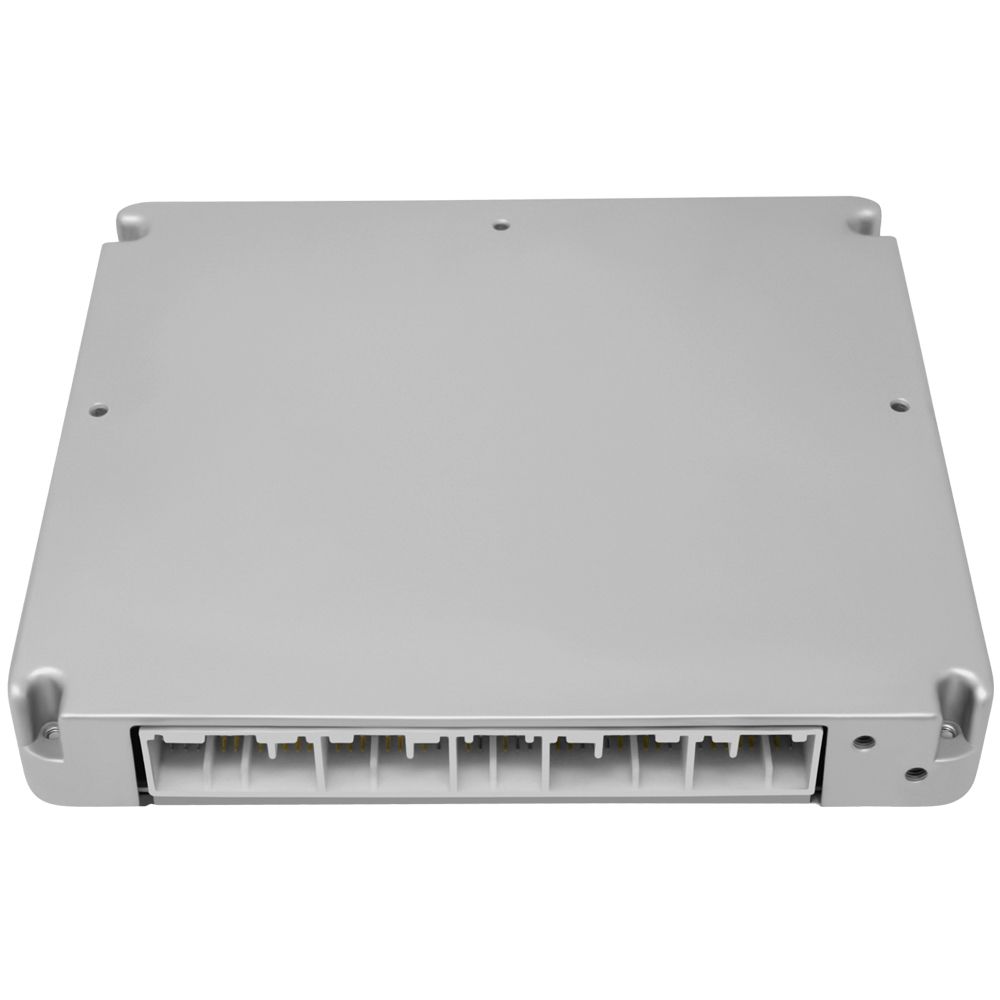
Flagship One stocks a refurbished, VIN-programmed PCM for the 1999 Lexus ES300 with a lifetime warranty, free shipping and no core charge. The full Lexus ES300 module lineup covers other engine configurations as well.
The 1999 Lexus ES300 relies on its ECM to manage critical engine functions, and failure can lead to frustrating drivability issues. Whether you opt for a relearn procedure or a pre-programmed replacement, addressing the problem promptly ensures your vehicle runs smoothly. With the right approach, you can restore reliability and avoid unnecessary downtime.