
Last updated on August 25th, 2026 at 11:46 am
The engine control module manages fuel and ignition timing for your 1990 Lexus ES250. When this unit fails, you may experience drivability concerns ranging from stalling to complete no-start conditions requiring immediate attention. Proper function ensures smooth operation and efficiency.
Owning a classic sedan like the 1990 Lexus ES250 brings specific maintenance considerations regarding electronic management systems. You might notice performance deviations suggesting the central computer requires attention or replacement. Understanding the role of this component helps you make informed decisions about repair strategies. This guide explains the function, location, and installation requirements for the engine management unit. You will learn about labor expectations and programming necessities specific to this model year. Proper diagnosis prevents unnecessary parts replacement and ensures your vehicle returns to optimal operation. We discuss common failure signs and preventive measures to protect the new unit. Reading this information prepares you for discussions with service providers regarding scope and cost. Your goal is restoring reliability without overspending on unrelated components. Knowledge of factory procedures helps verify correct installation steps. Navigating repairs for older luxury vehicles involves unique challenges compared to modern cars. Diagnostic tools may differ significantly from current scanners used today. You should verify compatibility before purchasing any replacement hardware for your car.
The engine control module serves as the brain for your 1990 Lexus ES250 powertrain operations. It processes sensor inputs to regulate fuel delivery and ignition timing precisely. Without this coordination, the engine cannot run efficiently or meet emissions standards. This unit monitors various systems to maintain smooth operation under different driving conditions. When searching for replacement engine computers you must ensure compatibility with your specific model year. The module stores adaptive learning data that adjusts to engine wear over time. Failure often results from internal circuitry degradation or external voltage spikes. Proper function ensures the transmission shifts correctly and the engine idles smoothly. You rely on this component for daily drivability and long-term engine health. Technicians diagnose issues by checking power and ground circuits before condemning the unit. Understanding its role clarifies why replacement involves specific calibration steps. The system design reflects early electronic management technology found in luxury sedans of this era. Sensors provide real-time data regarding airflow and throttle position to the processor. Fuel injectors fire based on calculated maps stored within the memory chip. Ignition coils receive timing signals to spark plugs at precise moments. Disruption in these signals causes misfires or hesitation during acceleration. Heat soak under the hood can degrade solder joints over many years. Moisture intrusion through sealed cases may corrode internal traces slowly. Voltage regulation failures often stem from alternator issues affecting the battery. Protecting the wiring harness prevents short circuits from damaging the processor. Regular inspection of connectors ensures stable communication between all sensors. Your vehicle depends on this integration for consistent performance output. The processor executes millions of calculations per second to manage combustion events. Adaptive fuel trim compensates for minor leaks or vacuum changes automatically. If the memory resets, the engine may run rough until relearning occurs.
1990 Lexus ES250
OEM programmed replacements — plug & play, no dealer visit.
Find yours by year, make & model →
Free shipping · Lifetime warranty
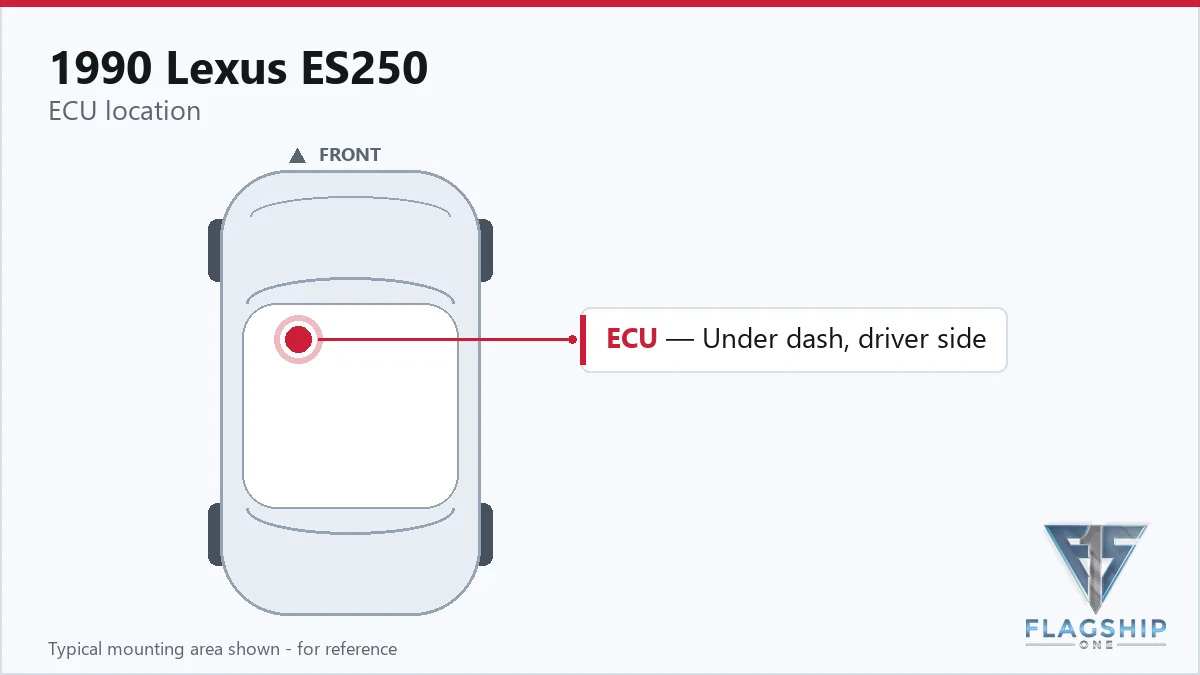
Per the component grid found in the factory wiring guide, the engine ECU resides inside the instrument panel. Accessing this location requires removing interior trim pieces carefully. Book times indicate Engine Control Module R&R takes 0.8 hours for physical removal and installation. Additionally, Engine Control Module Relearn requires 0.5 hours to reset adaptive memory. If addressing the powertrain system, Powertrain Control Module R&R is listed at 0.7 hours. Relearning the powertrain control module also takes 0.5 hours according to standard labor guides. These times help estimate shop charges for the procedure. You should verify access steps with your service provider before beginning work. Proper torque specifications must be followed when securing mounting bolts. Protecting surrounding wiring harnesses prevents new issues during the replacement process. Interior components may be brittle due to age and require gentle handling. Disconnecting the battery prevents accidental short circuits while working inside the cabin. Ensure all connectors click into place firmly before reassembling trim panels. Testing system function before final reassembly confirms successful installation steps.
| Operation | Configuration | Book Time |
|---|---|---|
| Powertrain Control Module Relearn | All configurations | 0.5 hr |
| Powertrain Control Module R&R | All configurations | 0.7 hr |
| Engine Control Module R&R | All configurations | 0.8 hr |
| Engine Control Module Relearn | All configurations | 0.5 hr |
Factory procedures typically require relearning procedures after installing a new module. This step ensures the computer recognizes your specific vehicle configuration and engine parameters. Skipping this process may lead to poor performance or drivability concerns. Flagship One units arrive as a VIN-programmed replacement unit so those steps are already done. This eliminates the need for specialized diagnostic tools at the shop. You save time and labor costs by avoiding manual programming steps. The pre-configured memory matches your vehicle identification number exactly. This approach reduces the risk of errors during the installation phase. Technicians can focus on physical installation rather than software configuration. Ensuring the module is ready upon arrival streamlines the repair process significantly. Your vehicle returns to service faster with minimal calibration delay. Manual flashing requires stable voltage to prevent corruption during the write cycle. Power interruption during programming can brick the new computer permanently. Using a pre-configured option mitigates these technical risks effectively. You gain peace of mind knowing the software matches factory specs. This method simplifies the workflow for independent repair facilities significantly.
Common failure symptoms often manifest as intermittent stalling or hard starting conditions. You may notice the engine cranks but fails to fire during ignition attempts. Rough idling suggests the module is not managing air fuel ratios correctly. Transmission shifting issues can occur since the computer controls shift points. Dead scan tool communication indicates a loss of data link functionality. Sudden loss of power while driving poses a safety concern requiring immediate attention. Fuel economy may degrade significantly as the system defaults to rich operation. Check engine lights may illuminate though specific codes vary by diagnostic equipment. Moisture intrusion into the instrument panel can corrode internal connections over time. Voltage spikes from alternator failures often damage sensitive electronic components within the unit. Addressing these signs promptly prevents further damage to sensors or actuators. Diagnosing the root cause ensures you replace only the necessary components. Ignoring these warnings may lead to complete engine shutdown on the road. Intermittent faults may disappear when the engine cools down completely. Heat related failures often return once operating temperature reaches normal levels. Corrosion on pins prevents stable electrical contact with the wiring harness. Internal capacitors may leak fluid causing shorts on the circuit board. Power transistors controlling injectors can fail open or closed unexpectedly. Your vehicle may enter a limp mode restricting engine speed severely. Restarting the car might temporarily clear the issue until the next cycle. Consistent problems indicate permanent hardware damage requiring unit replacement soon. Erratic tachometer readings suggest signal processing errors within the main processor. Fuel pump relay control failures prevent the engine from priming correctly. You might hear the starter engage without any combustion occurring. These scenarios point directly to management system faults needing resolution.
Driving with a failing unit risks sudden stalling or no-start conditions. You should address performance issues immediately to avoid being stranded. Continued operation may damage other components like the catalytic converter.
Labor guides list Engine Control Module R&R at 0.8 hours for physical work. Programming steps add additional time if not using a pre-configured unit. Total shop time varies based on access and diagnostic complexity.
These units come pre-configured to your vehicle identification number exactly. This approach reduces the risk of errors during the installation phase. You gain peace of mind knowing the software matches factory specs.
According to factory documentation, the engine ECU sits within the instrument panel. Accessing this location requires removing interior trim pieces carefully. You should verify access steps with your service provider before beginning work.
Voltage spikes from alternator failures often damage sensitive electronic components within the unit. Moisture intrusion into the instrument panel can corrode internal connections over time. Heat soak under the hood can degrade solder joints over many years.
Repairing the original unit involves component level testing and soldering. Refurbished replacement options offer a reliable alternative with warranty coverage. Choosing a pre-programmed module simplifies the installation process for your shop. You avoid complex calibration steps that require specialized equipment. This path often reduces total downtime for your vehicle significantly. Consider the long-term value of a warranted replacement part today.
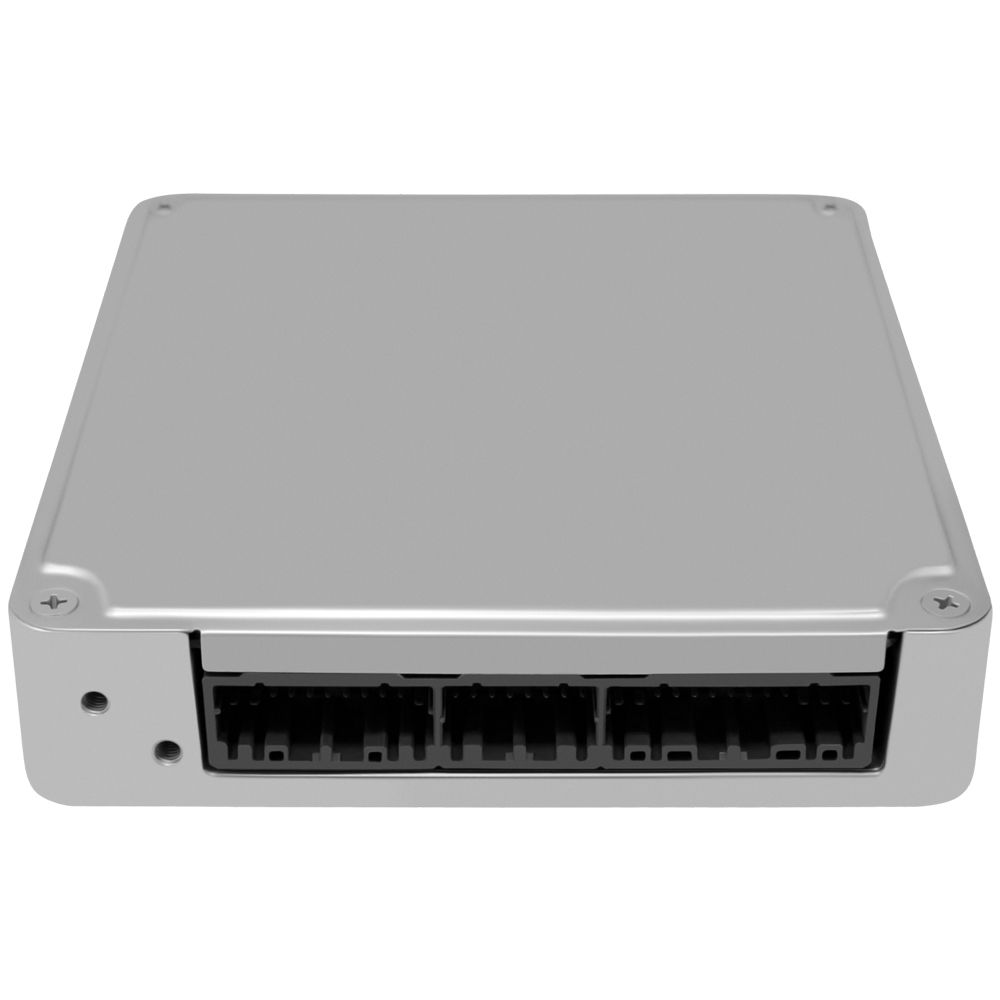
Flagship One stocks a refurbished, VIN-programmed PCM for the 1990 Lexus ES250 with a lifetime warranty, free shipping and no core charge. The full Lexus ES250 module lineup covers other engine configurations as well.
Restoring your 1990 Lexus ES250 requires understanding the engine control module role. Proper installation and programming ensure long-term reliability for your sedan. Use this guide to navigate the replacement process confidently. Contact support for specific fitment questions regarding your vehicle needs. Your investment in quality parts protects the legacy of this classic car.