
Last updated on August 25th, 2026 at 02:14 pm
The powertrain control module in a 2004 Isuzu Ascender manages engine timing, fuel delivery, and transmission shift strategy. When the PCM fails, the vehicle may lose driveability, trigger multiple diagnostic codes, and prevent the engine from starting, because the computer can no longer command critical sensors and actuators.
When a 2004 Isuzu Ascender begins to exhibit erratic idle, loss of power, or transmission shift problems, the powertrain control module (PCM) is often a suspect. Understanding how the PCM functions, where it resides, and what the factory requires after replacement can save you time and money. This guide walks you through the module’s role, the steps to remove and install a new unit, the programming obligations, and the typical symptoms you may encounter. By the end, you’ll know what to expect from a professional repair and how a Flagship One replacement can simplify the process.
In the 2004 Isuzu Ascender the powertrain control module acts as the central brain for both engine and transmission systems. It receives data from sensors such as the crankshaft position, throttle position, and transmission speed sensors, then calculates the optimal fuel injection timing, ignition spark, and gear‑shift points. Because the PCM directly controls emissions and performance, a malfunction can lead to drivability issues and may trigger a cascade of diagnostic trouble codes. The module also stores the remaining engine oil life, which the vehicle uses to schedule oil‑change reminders. Maintaining accurate oil‑life data is essential, as an unprogrammed replacement will default this value to 100 percent. 2004 Isuzu Ascender replacement PCM ensures the vehicle’s powertrain operates within factory specifications.
The PCM is mounted beneath the vehicle’s passenger‑side dash, secured by a flexible cover that can be positioned out of the way during removal. To access the unit, first disconnect the negative battery cable as required by factory cautions. Then lift the PCM cover; it only needs to be removed if the cover itself is being replaced. Once the cover is out of the way, the module can be unbolted and pulled free. The labor estimate for removing and reinstalling the PCM is 1.4 hours, reflecting the time needed to reach the module, detach connectors, and secure the new unit. After installation, the factory specifies a relearn of the powertrain control module, which adds 0.5 hours to the job.
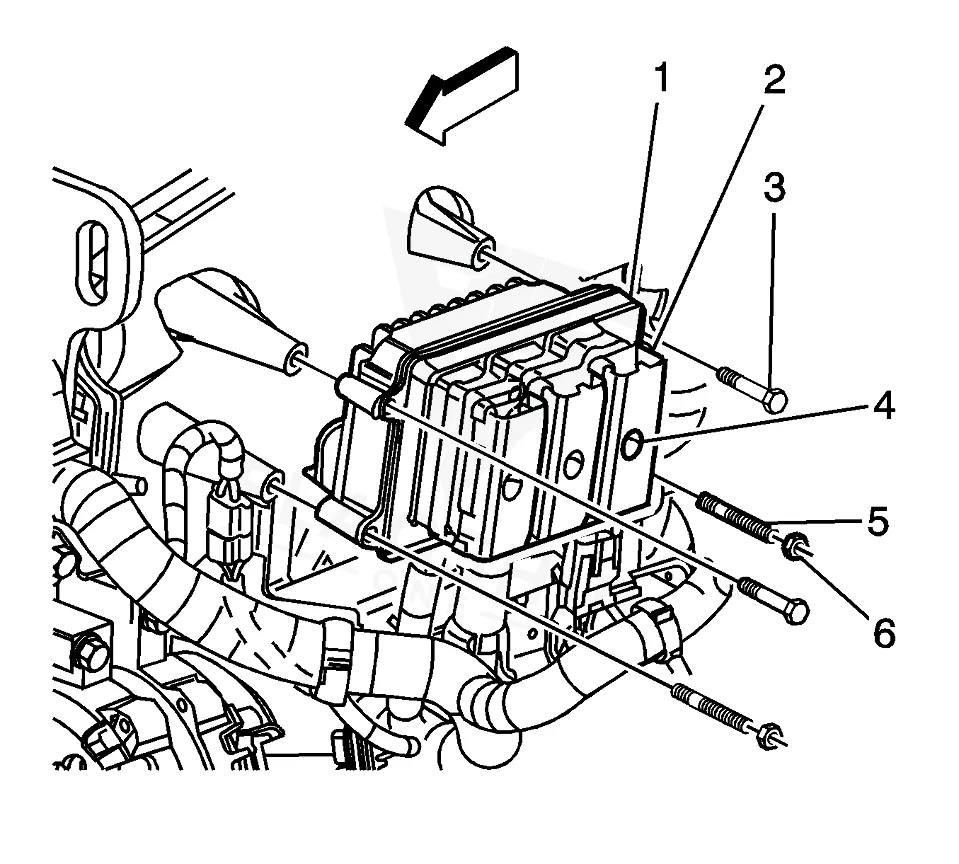
Work with the ignition off, and treat the module as static-sensitive: avoid touching the connector pins at any point.
| Operation | Configuration | Book Time |
|---|---|---|
| Engine Control Module R&R | All configurations | 1.4 hr |
| Engine Control Module Relearn | All configurations | 0.5 hr |
| Powertrain Control Module Relearn | All configurations | 0.5 hr |
| Powertrain Control Module R&R | All configurations | 1.4 hr |
2004 Isuzu Ascender
OEM programmed ECM for your 2004 Isuzu Ascender — plug & play, no dealer visit.
Free shipping · Lifetime warranty
After the PCM is physically installed, the factory procedure calls for a relearn of both the engine control module and the powertrain control module, each taking about 0.5 hours. These steps restore sensor baselines and ensure the vehicle’s computer recognizes the new hardware. Flagship One units arrive VIN‑programmed so those relearn steps are already completed, eliminating the need for additional programming time. a VIN-programmed replacement unit therefore reduces shop labor and helps you return the vehicle to service faster.
A failing PCM in a 2004 Isuzu Ascender often reveals itself through a no‑start condition, rough idle, or unexpected transmission shifting. You may also see stalling at low speeds, misfire codes, or a complete loss of communication with scan tools. When the module cannot validate sensor inputs, the engine control strategy collapses, leading to reduced power and fuel‑economy penalties. One common diagnostic entry is Processor Memory Read Error, which points to a fault in the PCM’s internal memory and is frequently accompanied by additional codes such as P0602 or P0603. Addressing these symptoms promptly can prevent further drivetrain wear.
The following internal diagnostic codes are documented for the 2004 Isuzu Ascender PCM and may appear when the module experiences a fault:
The factory book time lists 1.4 hours for removal and installation of the powertrain control module.
Yes, the factory specifies a 0.5‑hour relearn for both the engine control module and the powertrain control module after replacement.
The PCM stores the remaining oil life; if the replacement is not programmed with this data, the system will reset the oil‑life percentage to 100 percent.
Because the PCM controls shift timing, a malfunction can lead to harsh or delayed shifts, especially under load.
Factory guidance requires disconnecting the negative battery cable before any work on the PCM to protect both the vehicle and the technician.
When the PCM in your 2004 Isuzu Ascender needs attention, you can choose a dealer‑performed repair that follows every factory step, or you can opt for a Flagship One refurbished unit that arrives pre‑programmed to the vehicle’s VIN. Both routes restore engine and transmission control, but the Flagship One option eliminates the need for post‑install relearn procedures, potentially reducing shop time and cost.
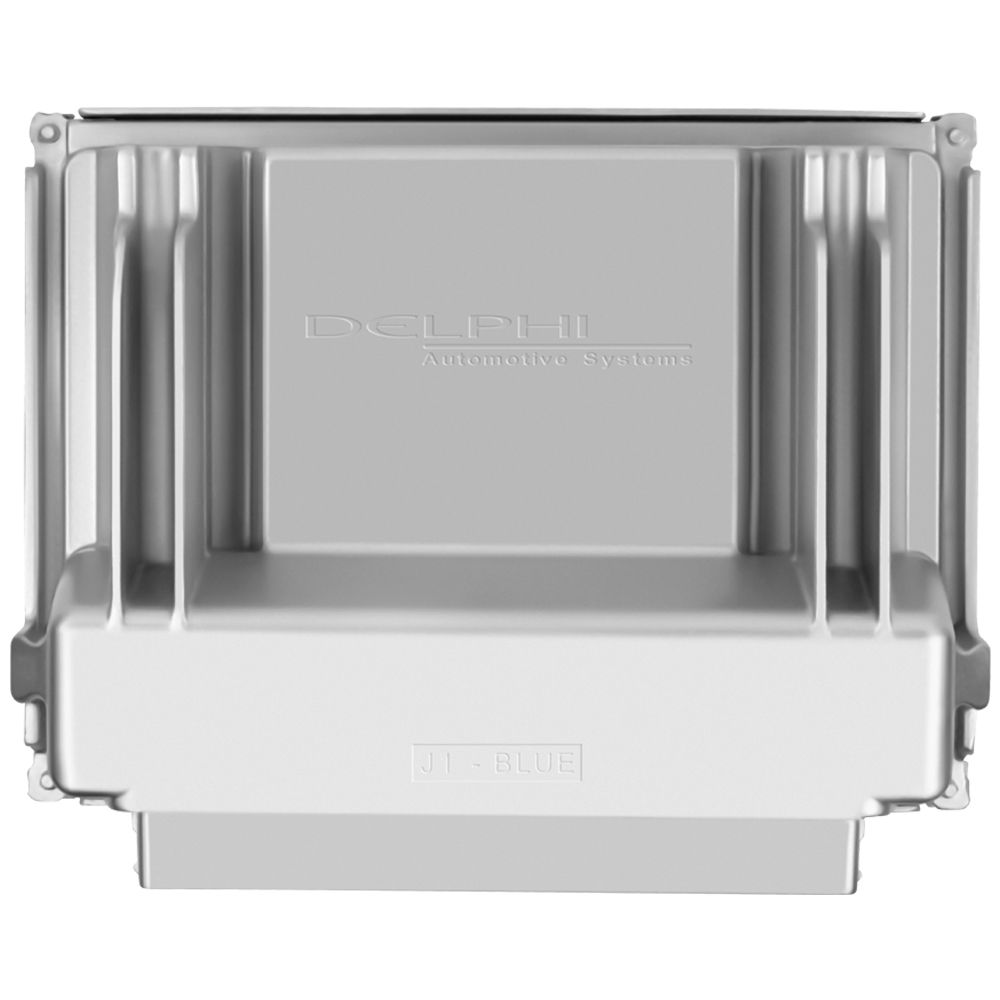
Flagship One stocks a refurbished, VIN-programmed PCM for the 2004 Isuzu Ascender with a lifetime warranty, free shipping and no core charge. The full Isuzu Ascender module lineup covers other engine configurations as well.
A malfunctioning PCM can undermine the performance of a 2004 Isuzu Ascender, but understanding the removal, programming, and preventive steps helps you get back on the road quickly. Consider a Flagship One replacement to simplify the process while ensuring the vehicle’s computer functions as intended.