
Last updated on August 25th, 2026 at 02:15 pm
The Powertrain Control Module (PCM) in your 1990 Honda CRX manages fuel injection, ignition timing, and idle control. Failures may cause erratic engine behavior, stalling, or a complete no-start condition due to corrupted memory or internal circuit faults.
If your 1990 Honda CRX is experiencing unexplained stalling, rough idle, or a refusal to start, the Powertrain Control Module (PCM) may be the culprit. This small but critical computer governs how your engine runs, from fuel delivery to spark timing. When it fails, symptoms can range from subtle drivability issues to a complete breakdown. Understanding where the PCM is located, what replacement involves, and how to avoid common pitfalls can save you time and frustration. This guide covers the essentials of PCM service for your CRX, including labor times, programming requirements, and practical tips to keep your vehicle running smoothly.
In your 1990 Honda CRX, the Powertrain Control Module (PCM) acts as the brain of the engine, continuously adjusting fuel injection, ignition timing, and idle speed based on sensor inputs. Without a properly functioning PCM, your vehicle may struggle to start, run inefficiently, or even stall unexpectedly. Over time, heat, vibration, and electrical issues can degrade the module’s performance, leading to erratic behavior. If replacement becomes necessary, you’ll want replacement engine computers for the CRX that are designed to match your vehicle’s original specifications, ensuring a seamless installation and reliable operation.
1990 Honda CRX
OEM programmed ECM for your 1990 Honda CRX — plug & play, no dealer visit.
Free shipping · Lifetime warranty
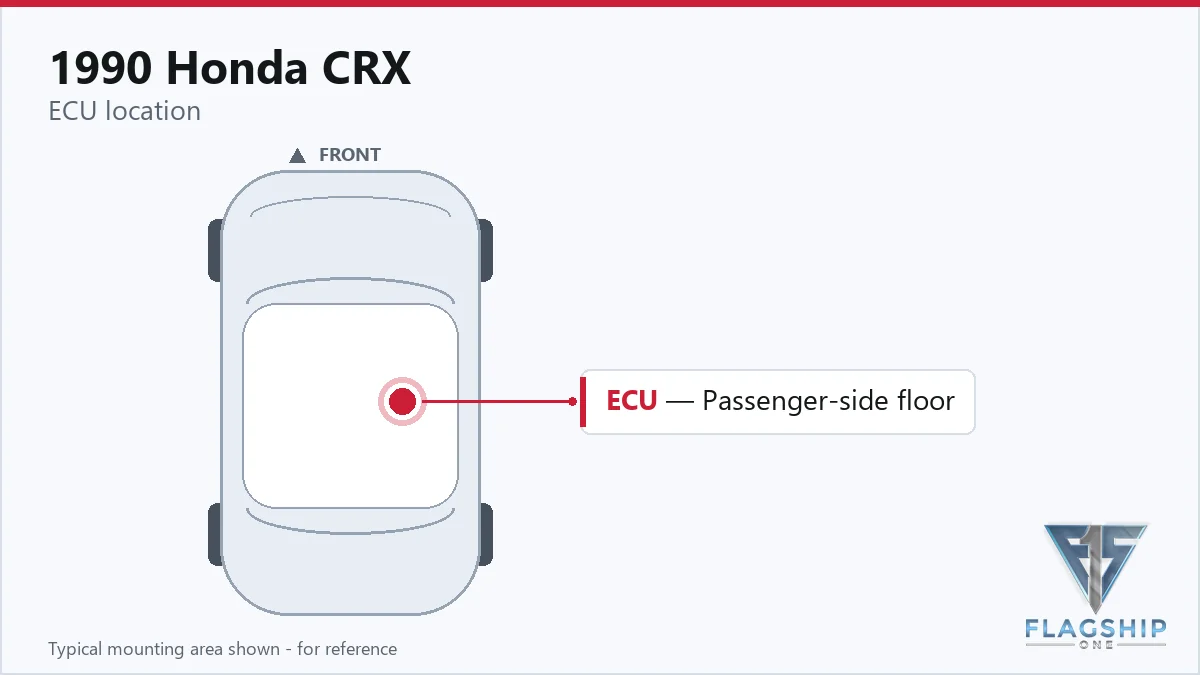
The PCM in your 1990 Honda CRX is tucked away beneath a protective cover at the right front floor area, near the passenger side. Accessing it requires removing the cover, which is typically secured with a few fasteners. Once exposed, the module can be unplugged and replaced. According to factory labor estimates, removing and reinstalling the PCM takes about 0.7 hours. There are no special tools or torque specifications provided for this procedure, but care should be taken to avoid damaging the connector or surrounding wiring during removal.
| Operation | Configuration | Book Time |
|---|---|---|
| Powertrain Control Module R&R | Civic | 0.7 hr |
| Powertrain Control Module R&R | CRX | 0.7 hr |
| Powertrain Control Module Relearn | Civic | 0.5 hr |
| Powertrain Control Module Relearn | CRX | 0.5 hr |
| Engine Control Module Relearn | Civic | 0.5 hr |
| Engine Control Module Relearn | CRX | 0.5 hr |
| Engine Control Module R&R | Civic | 0.7 hr |
| Engine Control Module R&R | CRX | 0.7 hr |
After installing a new PCM in your 1990 Honda CRX, the factory procedure requires a 0.5-hour relearn process to synchronize the module with the engine’s sensors and fuel system. This step ensures proper idle, timing, and fuel delivery. However, a VIN-programmed replacement unit from Flagship One arrives pre-configured to your vehicle’s specifications, eliminating the need for this additional labor. This can save you time and reduce the risk of incomplete initialization, which may lead to drivability issues if not performed correctly.
A failing PCM in your 1990 Honda CRX may cause a variety of symptoms, often mimicking other issues like fuel pump failure or ignition problems. Common signs include intermittent stalling, especially at idle or during deceleration, as well as a no-start condition where the engine cranks but refuses to fire. You might also notice poor acceleration, misfires, or erratic idle speeds. In some cases, the vehicle may enter a limp-home mode, limiting performance to prevent further damage. If the module’s internal memory is corrupted, you could experience an internal control module memory check fault, though scan tool communication may be unreliable due to the pre-OBD-II nature of this system.
Honda issued a service bulletin noting that accessory wiring may damage the fuse box, which can indirectly affect the PCM connector terminals. If you’re experiencing intermittent electrical issues, inspecting the fuse box and connector terminals for corrosion or damage may be necessary. This bulletin highlights the importance of proper wiring practices to avoid unintended consequences for the PCM and other critical systems.
| Bulletin | Subject | What It Addresses |
|---|---|---|
| — | Accessory Wiring May Ruin Fuse Box • ECU Connector Terminal Removal | — |
While it’s physically possible, used PCMs may not be programmed for your specific VIN or could have internal faults. A relearn procedure is often required, and compatibility isn’t guaranteed. A VIN-programmed replacement unit is typically the more reliable option.
Stalling after replacement may indicate an incomplete relearn procedure or a mismatch between the PCM and your vehicle’s sensors. The factory requires a 0.5-hour initialization process to synchronize the module. Skipping this step can lead to poor idle or stalling.
PCM failures often cause multiple symptoms at once, such as stalling, misfires, and no-start conditions. Sensor issues typically trigger isolated problems, like poor idle from a faulty idle air control valve. A thorough inspection of wiring and connectors can help narrow down the cause.
If your 1990 Honda CRX is suffering from PCM-related issues, you have options. A repair may be possible if the fault is limited to a specific circuit, but a replacement is often the more straightforward solution. Given the labor involved in relearn procedures, a pre-programmed unit can simplify the process and get your vehicle back on the road faster.
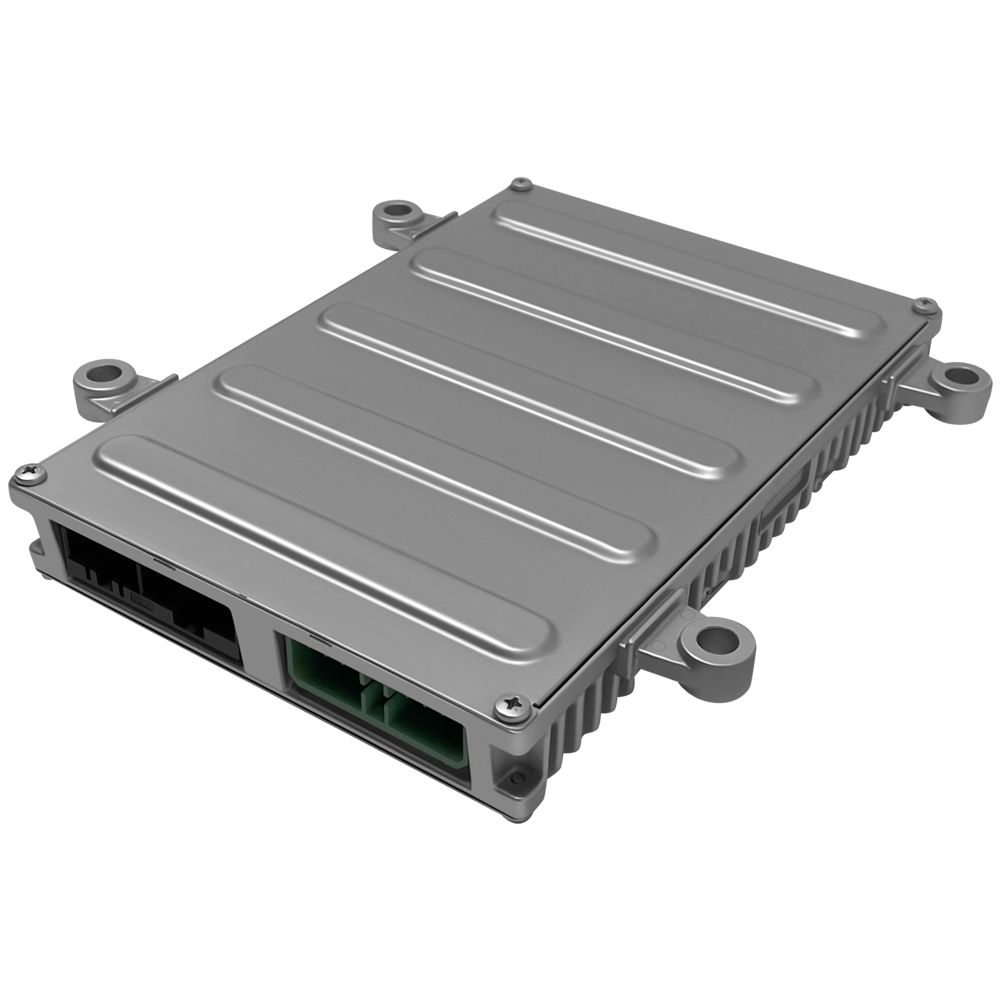
Flagship One stocks a refurbished, VIN-programmed PCM for the 1990 Honda CRX with a lifetime warranty, free shipping and no core charge. The full Honda CRX module lineup covers other engine configurations as well.
Your 1990 Honda CRX relies on its PCM to keep the engine running smoothly. Whether you’re dealing with stalling, misfires, or a no-start condition, understanding the role of this module—and the steps to replace it—can help you make an informed decision. With the right approach, you can restore your CRX’s performance and avoid unnecessary downtime.