
Last updated on August 25th, 2026 at 02:15 pm
The Engine Control Module (ECM) in your 1989 Honda CRX manages fuel injection, ignition timing, and idle control. Failure may cause hard starting, stalling, or erratic engine behavior, often without warning.
If your 1989 Honda CRX is experiencing unexplained stalling, hard starting, or erratic engine performance, the Engine Control Module (ECM) may be the culprit. This small but critical computer manages fuel delivery, ignition timing, and idle control in your vehicle. Replacing it involves removing the old unit, installing a new one, and often performing a factory relearn procedure. Understanding the process helps you anticipate labor time and avoid unnecessary steps, especially since this pre-OBD-II model requires specific handling. A properly functioning ECM ensures smooth operation and reliable starting, making this repair worth your attention if symptoms persist.
The Engine Control Module in your 1989 Honda CRX acts as the brain of the engine management system. It continuously monitors sensors for air intake, engine temperature, and throttle position, then adjusts fuel injection and ignition timing accordingly. Without this module, your vehicle may fail to start or run poorly, as it cannot regulate critical functions. When replacement becomes necessary, you’ll need a compatible replacement engine computers for the CRX that matches the original specifications. The module’s role is particularly important in carbureted-to-fuel-injected conversions common in this era, where precise control is essential for drivability.
1989 Honda CRX
OEM programmed ECM for your 1989 Honda CRX — plug & play, no dealer visit.
Free shipping · Lifetime warranty
In the 1989 Honda CRX, the ECM is typically located behind the passenger-side kick panel or under the dashboard. Replacing it involves disconnecting the battery, removing the access panel, and unplugging the wiring harness from the module. The factory labor time for removal and reinstallation is 0.7 hours. After installation, the module may require a relearn procedure, which adds 0.5 hours of labor if performed manually. Ensure all connectors are clean and securely fastened to avoid intermittent electrical issues, which can mimic ECM failure symptoms.
| Operation | Configuration | Book Time |
|---|---|---|
| Powertrain Control Module R&R | Civic | 0.7 hr |
| Powertrain Control Module R&R | CRX | 0.7 hr |
| Powertrain Control Module Relearn | Civic | 0.5 hr |
| Powertrain Control Module Relearn | CRX | 0.5 hr |
| Engine Control Module Relearn | Civic | 0.5 hr |
| Engine Control Module Relearn | CRX | 0.5 hr |
| Engine Control Module R&R | Civic | 0.7 hr |
| Engine Control Module R&R | CRX | 0.7 hr |
After replacing the ECM in your 1989 Honda CRX, the factory procedure requires a VIN registration process using Honda’s diagnostic tool. This step ensures the module recognizes your vehicle’s specific configuration. However, a VIN-programmed replacement unit from Flagship One arrives pre-configured, eliminating the need for this additional step. The factory relearn procedure, which takes 0.5 hours, is unnecessary with a pre-programmed module, saving you time and potential diagnostic headaches. Always verify the replacement unit’s compatibility with your CRX before installation to avoid compatibility issues.
A failing ECM in your 1989 Honda CRX may cause a range of symptoms, including intermittent no-start conditions, stalling at idle, or poor acceleration. You might also notice the engine running rough or misfiring, particularly under load. In some cases, the vehicle may enter a limp-home mode, where performance is severely limited. While this model does not use OBD-II codes, internal faults like memory corruption or voltage irregularities can trigger drivability issues. If you experience internal control module memory check failure, it often points to ECM degradation, though other electrical problems should be ruled out first.
Factory service bulletins for the 1989 Honda CRX highlight potential issues with accessory wiring damaging the fuse box, which may also affect the ECM connector terminals. If the fuse box or ECM terminals show signs of corrosion or damage, inspecting the wiring harness for shorts or chafing is recommended. Addressing these issues early can prevent intermittent electrical faults that mimic ECM failure.
| Bulletin | Subject | What It Addresses |
|---|---|---|
| — | Accessory Wiring May Ruin Fuse Box • ECU Connector Terminal Removal | — |
Replacing the ECM is straightforward if you’re comfortable with basic electrical work. The module is typically accessible behind the passenger-side kick panel. However, if the replacement unit isn’t pre-programmed, you’ll need a factory scan tool to complete the VIN registration process.
Stalling after ECM replacement may indicate a failed relearn procedure or an incompatible unit. Ensure the replacement module is designed for your CRX and that all connectors are secure. A pre-programmed unit eliminates the need for manual relearning.
Common signs include no-start conditions, stalling, or poor engine performance. Since this model lacks OBD-II diagnostics, a thorough inspection of the ECM and its connections is often necessary to confirm failure.
If your 1989 Honda CRX is exhibiting ECM-related symptoms, you have two primary options: repair the existing module or replace it with a refurbished unit. Given the age of this vehicle, a replacement is often the more reliable choice. A pre-programmed ECM ensures compatibility and eliminates the need for post-install procedures, saving you time and potential frustration.
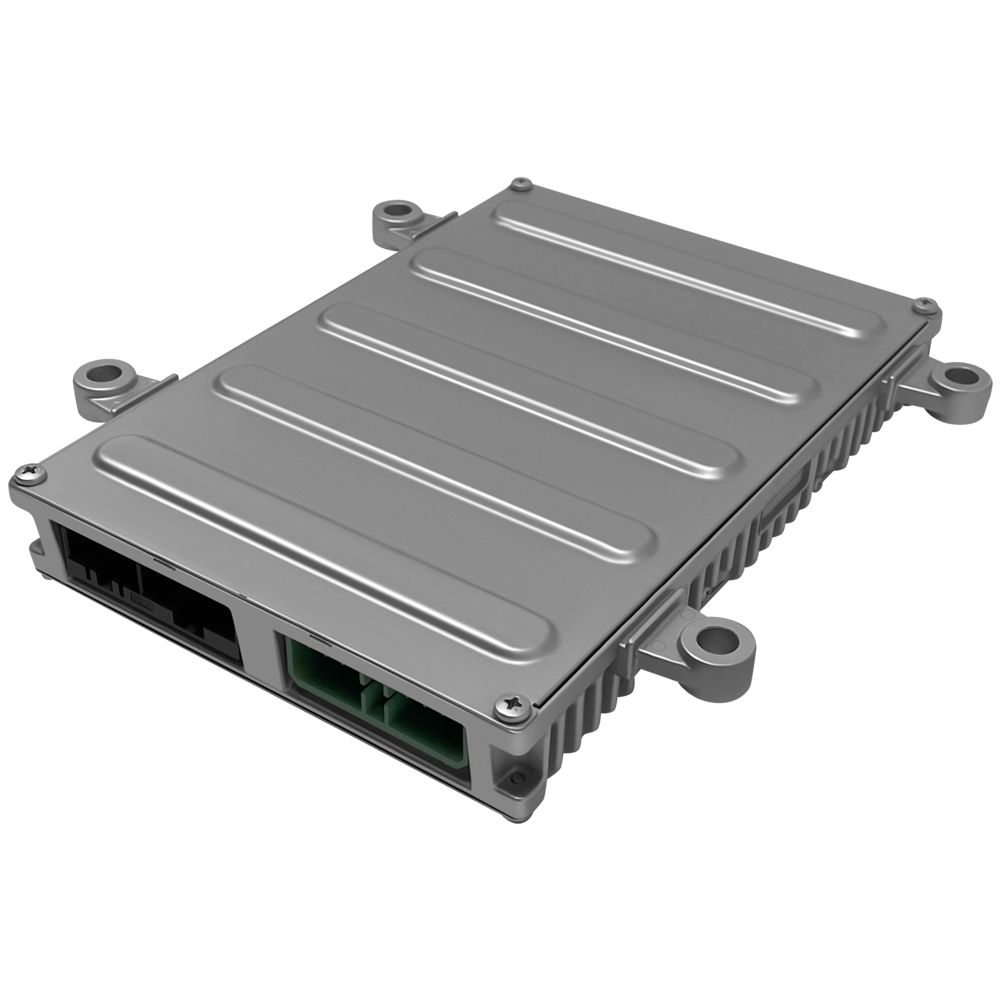
Flagship One stocks a refurbished, VIN-programmed PCM for the 1989 Honda CRX with a lifetime warranty, free shipping and no core charge. The full Honda CRX module lineup covers other engine configurations as well.
The 1989 Honda CRX relies on its ECM for smooth operation, and addressing failure symptoms promptly can prevent further drivability issues. Whether you opt for a repair or a replacement, understanding the process helps you make an informed decision. With the right unit, your CRX can continue running reliably for years to come.