
Last updated on August 25th, 2026 at 02:18 pm
The powertrain control module (PCM) in your 2002 Chevrolet Express manages fuel delivery, ignition timing, and transmission shifts for the 8.1L V8. Failure may cause erratic engine behavior, stored trouble codes, or complete no-start conditions.
If your 2002 Chevrolet Express is stalling, refusing to start, or flashing a check-engine light with internal PCM codes, the module itself may be failing. The powertrain control module (PCM) is the brain behind your 8.1L V8’s fuel, ignition, and transmission operations. When it malfunctions, symptoms can range from subtle drivability issues to a complete loss of engine control. Replacing it isn’t just about swapping hardware—it involves careful handling to avoid damage and a factory-required relearn procedure to ensure proper operation. Understanding the process helps you avoid unnecessary delays or complications. Whether you’re diagnosing a no-start condition or addressing persistent trouble codes, knowing how the PCM functions, where it’s located, and what replacement entails can save time and frustration. This guide covers the essentials for your Express, from labor times to factory cautions, so you can approach the repair with confidence.
The powertrain control module (PCM) in your 2002 Chevrolet Express is a combined engine and transmission computer that manages critical functions for the 8.1L V8. It adjusts fuel injection timing, controls ignition spark, and regulates transmission shifts based on sensor inputs like throttle position, engine speed, and vehicle load. Without a properly functioning PCM, your Express may experience poor fuel economy, rough idling, or even fail to start. The module also monitors emissions systems, ensuring compliance with federal standards. When it fails, you’ll typically see internal trouble codes stored in the system, such as P0601 or P1621, which point to faults within the module itself rather than external sensors or wiring. Replacing it requires careful handling to avoid electrostatic damage, and the vehicle’s replacement engine computers for the Express must be programmed to match your VIN for seamless operation. The PCM’s role is central to drivability, so addressing issues promptly can prevent further complications like transmission shifting problems or catalytic converter damage.
In the 2002 Chevrolet Express, the PCM is located inside the engine bay, typically mounted on the passenger-side firewall or near the battery. Accessing it involves removing the necessary covers and disconnecting the battery to prevent electrical damage. The factory specifies that the negative battery cables must be disconnected before any work begins to avoid short circuits or voltage spikes. Replacement involves removing the mounting hardware, carefully disconnecting the wiring harness, and installing the new module. Labor times for PCM removal and replacement are consistent across the Express 1500, 2500, and 3500 models, typically requiring 1.1 hours. After installation, a relearn procedure is necessary, which adds another 0.5 hours of labor. The process is straightforward but requires attention to detail to avoid damaging the module or its connectors.
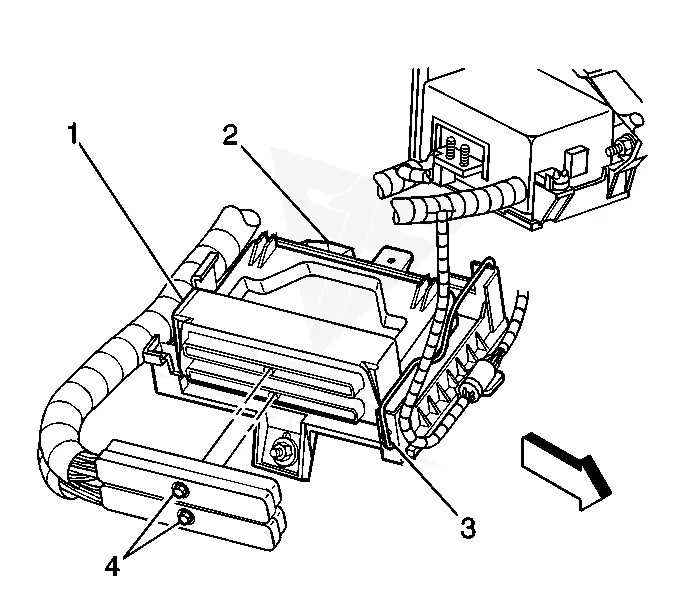
Work with the ignition off, and treat the module as static-sensitive: avoid touching the connector pins at any point.
| Operation | Configuration | Book Time |
|---|---|---|
| Powertrain Control Module R&R | Express 1500 | 1.1 hr |
| Powertrain Control Module R&R | Express 2500 | 1.1 hr |
| Powertrain Control Module R&R | Express 3500 | 1.1 hr |
| Powertrain Control Module Relearn | Express 1500 | 0.5 hr |
| Powertrain Control Module Relearn | Express 2500 | 0.5 hr |
| Powertrain Control Module Relearn | Express 3500 | 0.5 hr |
| Engine Control Module R&R | Express 1500 | 1.1 hr |
| Engine Control Module R&R | Express 2500 | 1.1 hr |
2002 Chevrolet Express
OEM programmed ECM for your 2002 Chevrolet Express — plug & play, no dealer visit.
Free shipping · Lifetime warranty
After replacing the PCM in your 2002 Chevrolet Express, the factory requires a relearn procedure to synchronize the module with the vehicle’s systems. This step ensures the engine and transmission operate correctly and prevents issues like poor shifting or erratic idle. The relearn process typically takes 0.5 hours and may involve using a scan tool to reset adaptive values. However, if you install a VIN-programmed replacement unit, these steps are already completed, saving time and reducing the risk of programming errors. The factory also emphasizes that the ignition must be off when disconnecting or reconnecting power to the PCM to prevent internal damage. This precaution applies whether you’re working with the battery, PCM fuse, or wiring harness. A pre-programmed module eliminates the need for post-install programming, allowing you to focus on proper installation and testing.
When the PCM in your 2002 Chevrolet Express begins to fail, you may notice a range of symptoms that can vary in severity. A common sign is a no-start condition, where the engine cranks but refuses to fire, often due to incorrect fuel or spark timing controlled by the module. Stalling or rough idling may occur, especially at stoplights or during deceleration, as the PCM struggles to maintain stable engine operation. You might also experience transmission shifting issues, such as delayed or harsh gear changes, since the PCM manages both engine and transmission functions. Scan tool communication problems are another red flag—if the tool can’t connect to the PCM, the module itself may be at fault. Internal trouble codes like internal control module memory checksum error are strong indicators of PCM failure, as these codes typically point to faults within the module rather than external sensors or wiring. Other symptoms include poor fuel economy, reduced power, or the check-engine light illuminating without an obvious cause. If you’re seeing multiple codes or intermittent drivability issues, the PCM is often the culprit, especially if the codes are related to memory, processor, or communication faults.
The 2002 Chevrolet Express may store specific trouble codes when the PCM fails internally. These codes typically indicate faults within the module itself rather than external components like sensors or wiring. Below are the documented internal PCM codes for this vehicle.
Stalling after a battery replacement may indicate the PCM lost its adaptive memory values. The factory requires a relearn procedure to restore proper idle and fuel delivery settings. If the issue persists, the PCM itself may be failing or need reprogramming.
While the vehicle may still run, a P0601 code indicates an internal PCM memory fault, which can lead to erratic engine behavior or a no-start condition. Driving with this code risks further drivability issues or unexpected stalling. It’s best to address it promptly.
Internal PCM codes like P0601, P0603, or P1681 typically point to module failure rather than wiring. If the scan tool can’t communicate with the PCM at all, the module itself may be at fault. Inspecting connectors and grounds can rule out wiring issues before replacing the PCM.
Skipping the relearn procedure may result in poor engine performance, rough idling, or transmission shifting issues. The PCM relies on adaptive values to optimize fuel delivery and shift timing, so resetting these is critical for proper operation.
The factory warns against touching the PCM’s component leads or removing the integrated circuit from its carrier. Electrostatic discharge can damage the module, so handle it by the edges and avoid direct contact with the board.
If your 2002 Chevrolet Express is experiencing PCM-related issues, you have options for repair. A refurbished or remanufactured replacement module can restore proper engine and transmission function without the cost of a new unit. Since the Express requires a VIN-specific module, choosing a pre-programmed unit eliminates the need for post-install programming, simplifying the repair. Whether you’re addressing a no-start condition or persistent trouble codes, a properly matched replacement can get your vehicle back on the road efficiently.
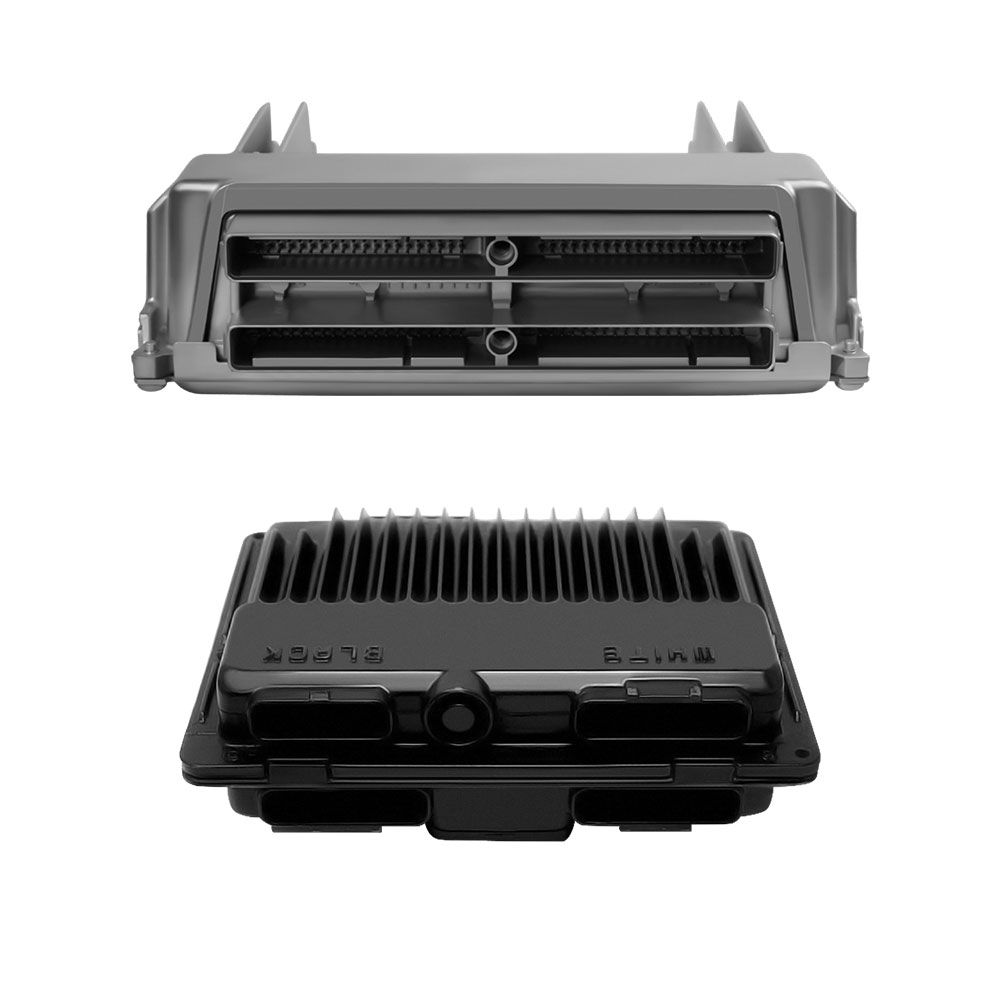
Flagship One stocks a refurbished, VIN-programmed PCM for the 2002 Chevrolet Express with a lifetime warranty, free shipping and no core charge. The full Chevrolet Express module lineup covers other engine configurations as well.
The PCM in your 2002 Chevrolet Express plays a critical role in engine and transmission performance. If you’re dealing with stalling, no-start conditions, or internal trouble codes, replacing the module may be necessary. Proper handling, installation, and programming are key to a successful repair. With a VIN-programmed replacement unit, you can avoid the hassle of post-install procedures and focus on getting your Express running smoothly again.