
Last updated on August 25th, 2026 at 02:21 pm
The Engine Control Module (ECM) in your 2017 Chevrolet Malibu manages fuel delivery, ignition timing, and emissions systems. Failures may cause erratic engine behavior, stored trouble codes, or complete no-start conditions.
If your 2017 Chevrolet Malibu is experiencing unexplained stalling, a no-start condition, or persistent check-engine lights, the Engine Control Module (ECM) may be at fault. This small but critical computer oversees engine performance, fuel efficiency, and emissions compliance. Replacing it involves precise steps to avoid damage, and factory guidelines require reprogramming to ensure proper operation. Understanding the process helps you make informed decisions about repairs or replacements, restoring your vehicle’s reliability without unnecessary delays.
The ECM in your 2017 Chevrolet Malibu acts as the brain of the engine, continuously adjusting fuel injection, ignition timing, and emissions controls for optimal performance. It monitors sensors throughout the engine bay and adjusts parameters in real time to maintain efficiency and reduce emissions. A failing ECM can disrupt these processes, leading to poor drivability or even a complete loss of engine function. When replacement becomes necessary, choosing replacement engine computers for the Malibu ensures compatibility and proper calibration for your vehicle’s specific engine configuration.
The ECM in the 2017 Chevrolet Malibu is located near the engine bay, secured to a mounting bracket. Replacing it involves disconnecting the battery negative cable first to prevent electrical damage. The technician will then unplug the electrical connectors, remove the bracket bolt, and detach the ECM and bracket assembly. The module cover must be released twice before the ECM can be fully removed. Reinstallation follows the reverse order, with a labor time of 0.6 hours for the 1.8L engine. Always ensure the ignition is off during connector removal to avoid component damage.
| Operation | Configuration | Book Time |
|---|---|---|
| Engine Control Module R&R | 1.8L | 0.6 hr |
| Engine Control Module R&R | 1.5L | 0.7 hr |
| Engine Control Module R&R | 2.0L | 0.8 hr |
| Engine Control Module Relearn | All configurations | 0.5 hr |
| Engine Control Module Reset | All configurations | 0.3 hr |
| Powertrain Control Module R&R | 1.5L | 0.7 hr |
| Powertrain Control Module R&R | 1.8L | 0.6 hr |
| Powertrain Control Module R&R | 2.0L | 0.8 hr |
2017 Chevrolet Malibu
OEM programmed ECM for your 2017 Chevrolet Malibu — plug & play, no dealer visit.
Free shipping · Lifetime warranty
After replacing the ECM in your 2017 Chevrolet Malibu, factory procedures require reprogramming the module to match your vehicle’s specifications. This step ensures proper communication with other onboard systems and prevents drivability issues. However, a VIN-programmed replacement unit from Flagship One arrives pre-configured, eliminating the need for additional programming steps. This saves time and reduces the risk of errors during installation, allowing your vehicle to return to service more quickly.
A failing ECM in the 2017 Chevrolet Malibu may cause a range of symptoms, including intermittent stalling, rough idling, or a no-start condition. You might also notice poor acceleration, reduced fuel economy, or the check-engine light illuminating with internal module codes. Common trouble codes like internal control module memory checksum error often indicate ECM faults. In some cases, the vehicle may enter a fail-safe mode, limiting engine power to prevent further damage. If your scan tool fails to communicate with the ECM, the module itself may need replacement.
The 2017 Chevrolet Malibu’s ECM may store specific internal trouble codes when it malfunctions. These codes help diagnose the root cause of drivability issues and guide repair decisions.
Factory service bulletins for the 2017 Chevrolet Malibu address ECM programming issues. Bulletin #PIP5373B covers errors E4491 and E4423 that may occur during module programming. Another bulletin, #PIP5597, notes that technicians may be prompted to input the engine identification number during certain ECM programming procedures. These bulletins highlight the importance of following updated programming protocols to avoid installation complications.
| Bulletin | Subject | What It Addresses |
|---|---|---|
| — | Program ECM Error E4491/E4423 – (Jun 11, 2018) | — |
| — | Engine identification Number Requested When Programming ECM – (Oct 8, 2018) | During the programming of some ECM’s, the technician may be prompted to input the engine identification |
Common signs include a no-start condition, stalling, or the check-engine light with internal module codes. Poor acceleration, rough idling, or scan tool communication failures may also indicate ECM issues. A professional diagnosis can confirm whether replacement is necessary.
Replacement requires disconnecting the battery, removing electrical connectors, and detaching the ECM from its bracket. The process typically takes 0.6 hours of labor for the 1.8L engine. Factory guidelines also require reprogramming the new module unless it arrives pre-programmed.
Reprogramming ensures the new ECM syncs with your vehicle’s specific engine and transmission configurations. This step prevents drivability issues and ensures proper communication with other onboard systems. Pre-programmed units eliminate this requirement, simplifying installation.
If your 2017 Chevrolet Malibu’s ECM is failing, you have options for repair or replacement. While some shops may attempt reprogramming or repairs, a new or refurbished ECM ensures long-term reliability. Flagship One provides VIN-programmed units designed specifically for your Malibu, reducing installation time and minimizing the risk of post-replacement issues.
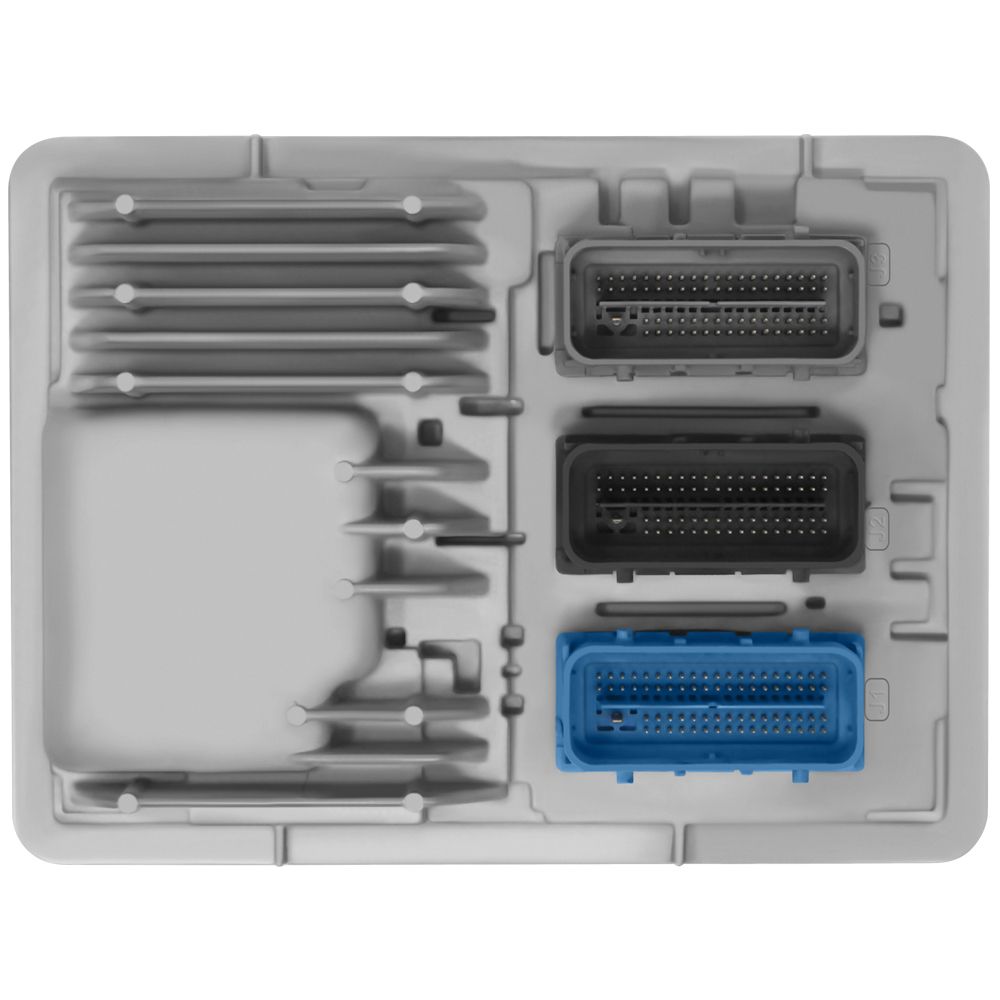
Flagship One stocks a refurbished, VIN-programmed PCM for the 2017 Chevrolet Malibu with a lifetime warranty, free shipping and no core charge. The full Chevrolet Malibu module lineup covers other engine configurations as well.
The ECM in your 2017 Chevrolet Malibu plays a vital role in engine performance and drivability. If you’re experiencing symptoms like stalling or internal module codes, replacement may be necessary. Choosing a pre-programmed unit simplifies the process, ensuring your vehicle returns to the road quickly and reliably.