
Last updated on August 25th, 2026 at 02:22 pm
The engine control module (ECM) in the 2015 Chevrolet Malibu 2.5L is the primary computer that manages fuel delivery, ignition timing, and emissions. A failing unit can cause drivability problems, prevent the engine from starting, or trigger diagnostic trouble codes.
If your 2015 Chevrolet Malibu is showing signs of electronic trouble—such as a crank-no-start condition, intermittent stalling, or unexplained warning lights—the engine control module may be at fault. The ECM is the brain of the engine management system, constantly adjusting fuel and spark based on sensor inputs. When it fails, the vehicle can become undrivable. This guide explains what the ECM does, how to identify a failing unit, and what the replacement process involves. You will learn about the factory service procedures, common trouble codes, and practical steps to protect the new module. With the right information, you can make an informed decision about repairing or replacing the ECM and get your Malibu back on the road reliably.
The engine control module in the 2015 Chevrolet Malibu 2.5L is a dedicated computer that receives data from sensors such as the mass airflow, throttle position, and oxygen sensors. It uses this information to calculate the optimal air-fuel mixture and ignition timing for every cylinder firing. The module also monitors emissions systems and communicates with other onboard controllers. When the ECM malfunctions, the engine may run poorly, fail to start, or trigger the check engine light. A faulty unit can also prevent the vehicle from passing an emissions test. Replacing the module requires a unit that matches the vehicle’s VIN and calibration. Many owners turn to remanufactured ECMs for the Chevrolet Malibu to restore proper function without the cost of a brand-new dealer part.
The engine control module on the 2015 Chevrolet Malibu is mounted in the engine compartment, typically near the battery or fuse box. Accessing it requires removing the electrical connectors and any retaining brackets. The factory book time for ECM removal and replacement is 0.6 hours. An additional 0.5 hours is specified for the ECM relearn procedure, which allows the module to adapt to the vehicle’s systems. Always turn the ignition off before disconnecting or reconnecting the ECM connectors to avoid damaging the components. After installation, the module must be programmed with the vehicle’s VIN and immobilizer data to function correctly.
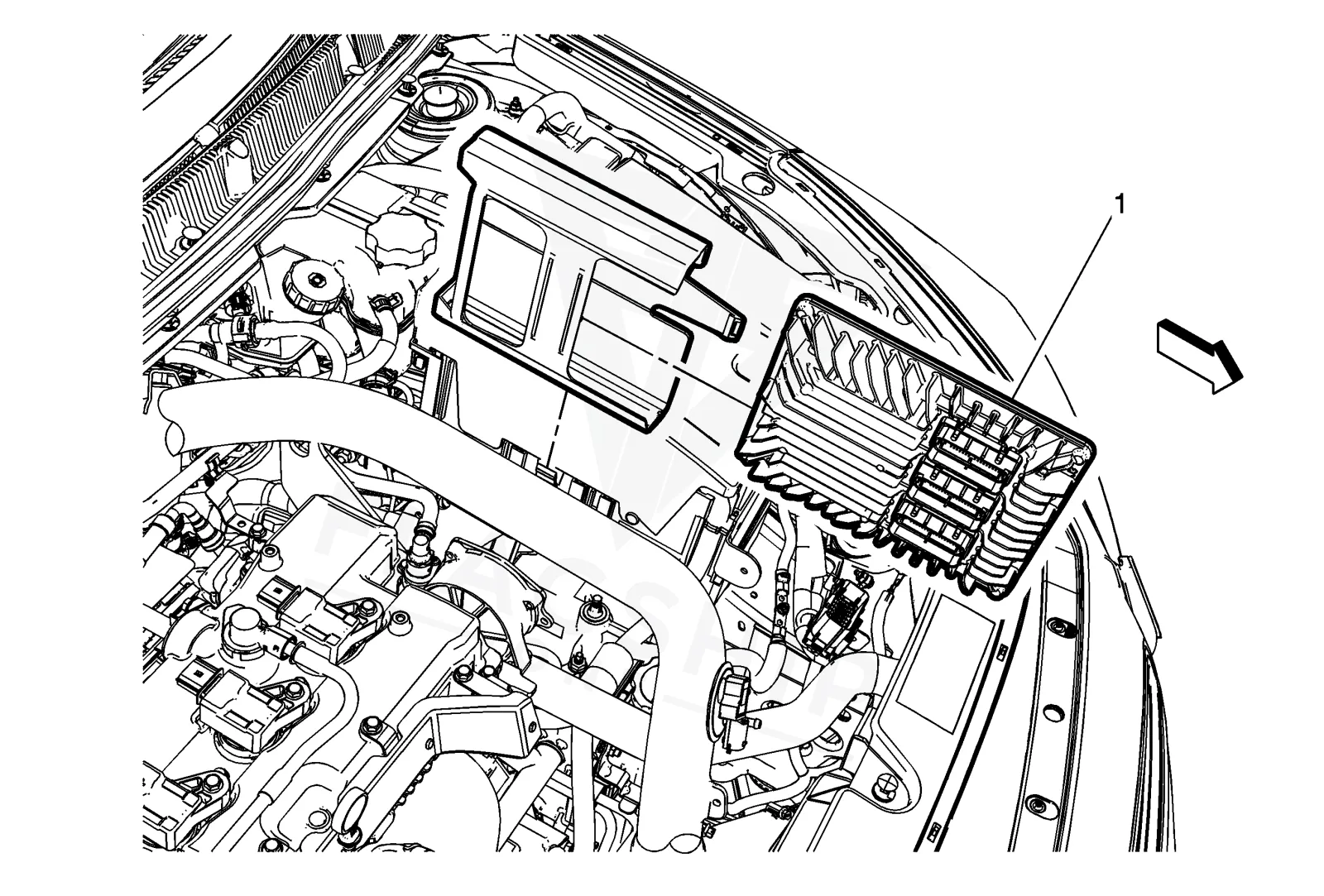
Work with the ignition off, and treat the module as static-sensitive: avoid touching the connector pins at any point.
| Operation | Configuration | Book Time |
|---|---|---|
| Engine Control Module R&R | All configurations | 0.6 hr |
| Engine Control Module Relearn | All configurations | 0.5 hr |
| Powertrain Control Module R&R | All configurations | 0.6 hr |
| Powertrain Control Module Relearn | All configurations | 0.5 hr |
2015 Chevrolet Malibu
OEM programmed ECM for your 2015 Chevrolet Malibu — plug & play, no dealer visit.
Free shipping · Lifetime warranty
The factory service procedure for reprogramming an existing K20 engine control module requires the use of the EL-49642 SPS programming support tool. Before removing the original ECM, a scan tool should be used to capture the existing module data. When you install a pre-programmed replacement unit from Flagship One, these steps are already completed. The module arrives with your vehicle’s VIN and immobilizer information loaded, so no additional programming or relearn is necessary. You simply install the part and turn the key. This eliminates the need for a dealership visit or specialized programming equipment, saving time and expense.
A failing ECM in the 2015 Chevrolet Malibu can produce a range of drivability issues. The engine may crank but not start, stall unexpectedly, or run roughly with misfires. You might notice a loss of power, poor fuel economy, or difficulty shifting if the module communicates with the transmission controller. The check engine light often illuminates, and a scan tool may reveal communication errors or internal module faults. One specific code that points to an ECM problem is internal control module memory checksum error. This indicates the module’s self-test has detected corrupted data, which typically requires replacement. Other symptoms include dead instrument cluster gauges or a no-communication condition with the scan tool.
The following diagnostic trouble codes are directly related to internal faults within the engine control module. If any of these appear during a scan, the ECM itself may be the root cause rather than an external sensor or circuit.
Service bulletin PIP5597, released October 8, 2018, addresses a condition where the technician may be prompted to input the engine identification number during ECM programming. This applies to certain 2015 Chevrolet Malibu models and other vehicles. The bulletin provides guidance on locating and entering the correct engine ID to complete the programming sequence successfully. No other bulletins are noted for this vehicle’s ECM.
| Bulletin | Subject | What It Addresses |
|---|---|---|
| — | Engine identification Number Requested When Programming ECM – (Oct 8, 2018) | During the programming of some ECM’s, the technician may be prompted to input the engine identification |
Common signs include a no-start condition, intermittent stalling, rough running, and a check engine light. You may also experience communication failures with a scan tool or see multiple sensor codes that do not resolve after replacing the sensors.
Yes, the physical replacement is straightforward and takes about 0.6 hours according to the book time. However, the new module must be programmed with your vehicle’s VIN and immobilizer data. A pre-programmed unit from Flagship One arrives ready to install, so no additional programming is needed.
Yes, the engine control module must be programmed with your specific VIN and security information to start and run the vehicle. Flagship One programs this data before shipping, so the module is plug-and-play upon arrival.
When your 2015 Chevrolet Malibu’s ECM fails, you have two main paths: purchase a new module from the dealer and pay for programming, or choose a remanufactured unit that arrives pre-programmed. A remanufactured ECM offers a cost-effective alternative without sacrificing reliability. Simply install the part and your Malibu is ready to drive.
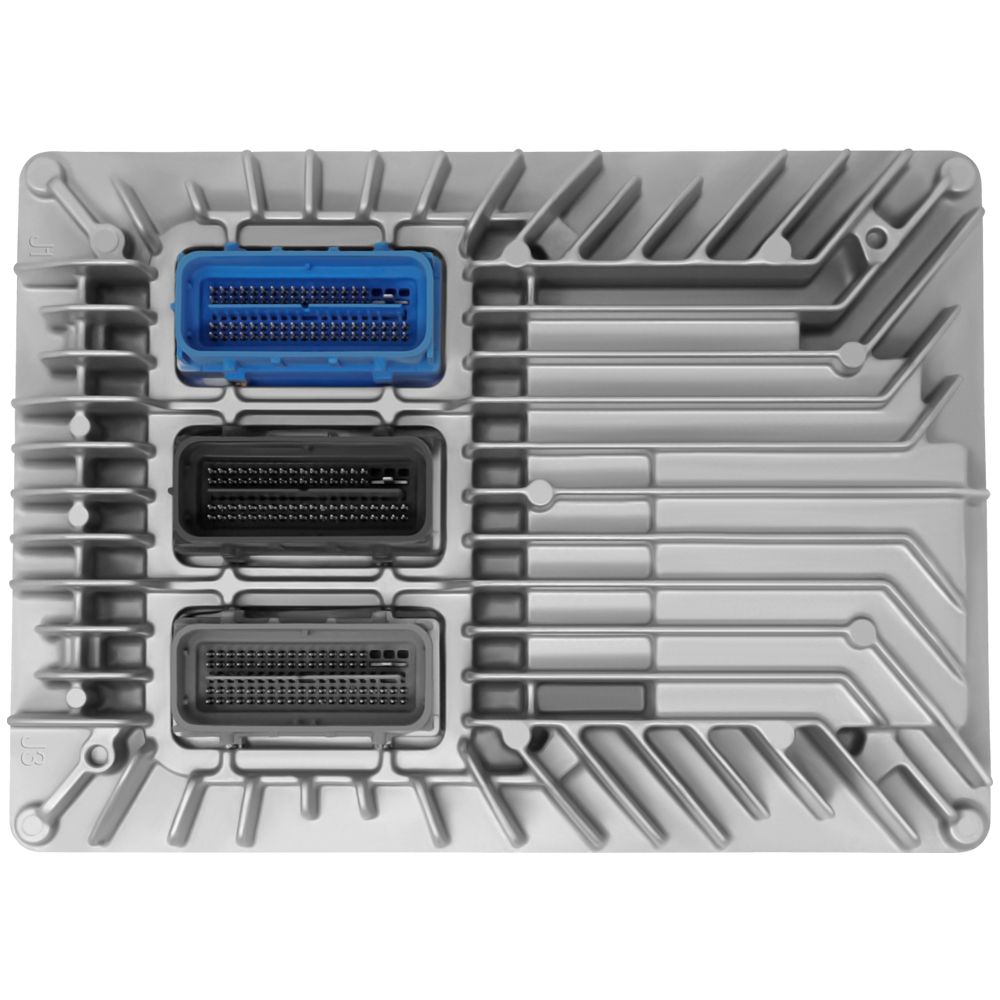
Flagship One stocks a refurbished, VIN-programmed PCM for the 2015 Chevrolet Malibu with a lifetime warranty, free shipping and no core charge. The full Chevrolet Malibu module lineup covers other engine configurations as well.
A faulty ECM can bring your 2015 Chevrolet Malibu to a standstill, but a properly programmed replacement restores performance. By understanding the symptoms and following the correct installation steps, you can avoid unnecessary downtime. Choose a solution that gets you back on the road with confidence.