
Last updated on August 25th, 2026 at 02:17 pm
In the 2016 Chevrolet Suburban the Powertrain Control Module (PCM) and Engine Control Module (ECM) manage engine timing, fuel delivery and emissions. Failure of either unit can trigger a range of fault codes, cause loss of power, and prevent the vehicle from starting or running smoothly.
When a 2016 Chevrolet Suburban begins to exhibit intermittent stalling, a dead scan‑tool connection, or a complete no‑start condition, the underlying cause may be a malfunctioning Powertrain Control Module or Engine Control Module. These electronic brains coordinate fuel injection, ignition timing, and emissions controls, so any loss of communication can quickly translate into drivability problems. This guide explains what the PCM and ECM do in this particular Suburban, how to locate and replace them, the factory‑required programming steps, and the most common symptoms you may encounter. By understanding the process, you can decide whether a repair or a refurbished replacement best fits your needs and avoid unnecessary downtime.
The Powertrain Control Module in a 2016 Chevrolet Suburban serves as the central command center for the engine and transmission, interpreting sensor data to adjust fuel, spark and shift timing in real time. The Engine Control Module works alongside the PCM, focusing on engine‑specific parameters such as combustion efficiency and emissions compliance. Together they ensure the vehicle meets performance and regulatory standards, and they store diagnostic information that helps technicians pinpoint issues. A failure in either unit can disrupt power delivery, trigger multiple fault codes, and even immobilize the vehicle. Proper operation is essential for fuel economy, throttle response, and overall reliability. The Suburban relies on replacement engine computers for the Suburban to maintain these functions after a malfunction.
2016 Chevrolet Suburban
OEM programmed ECM for your 2016 Chevrolet Suburban — plug & play, no dealer visit.
Free shipping · Lifetime warranty
In the 2016 Chevrolet Suburban the PCM is mounted within the passenger‑side footwell, secured by bolts that typically require about 0.8 hours to remove according to the factory labor guide. The ECM resides in the engine compartment, attached to the intake manifold and also requiring roughly 0.8 hours for removal. Both modules are accessed by disconnecting the battery, removing the associated connector harnesses, and unbolting the units. After the old module is withdrawn, the replacement is positioned, bolts torqued to factory specifications, and connectors reattached. Once installed, the labor guide allocates 0.5 hours for a PCM relearn and another 0.5 hours for an ECM relearn, with an additional 0.3 hours for a simple ECM reset if needed.
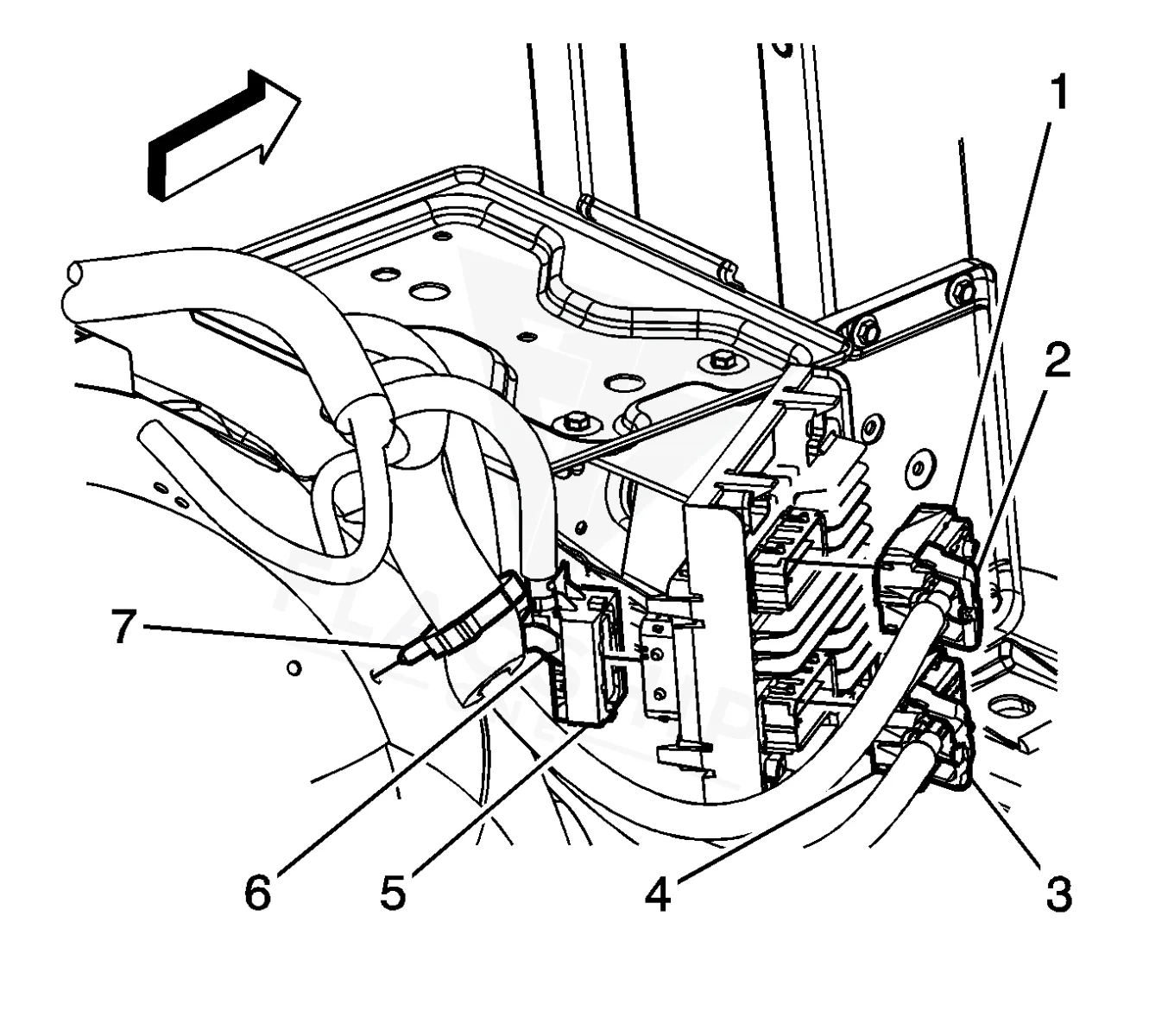
Work with the ignition off, and treat the module as static-sensitive: avoid touching the connector pins at any point.
| Operation | Configuration | Book Time |
|---|---|---|
| Powertrain Control Module R&R | All configurations | 0.8 hr |
| Powertrain Control Module Relearn | All configurations | 0.5 hr |
| Engine Control Module R&R | All configurations | 0.8 hr |
| Engine Control Module Relearn | All configurations | 0.5 hr |
| Engine Control Module Reset | All configurations | 0.3 hr |
After installing a new PCM or ECM in the 2016 Chevrolet Suburban, the factory procedure calls for a specific relearn sequence using a scan tool, followed by a reset of the ECM to clear stored values. The service bulletin #PIP5373B outlines the need to address ECM error codes E4491 and E4423 during this process. Flagship One provides a VIN‑programmed replacement unit that arrives already calibrated to the vehicle’s specifications, so the relearn and reset steps are effectively completed before the unit reaches your shop, reducing labor time and minimizing the chance of programming errors.
A failing PCM or ECM in a 2016 Chevrolet Suburban often manifests as a complete loss of engine power, intermittent stalling while driving, or an inability to start the vehicle altogether. You may also notice erratic idle, poor acceleration, or the check engine light flashing with multiple fault codes. In some cases the scan tool will report a loss of communication with the control module, making diagnostics difficult. One of the documented internal codes for this model is processor start-up internal failure, which typically appears when the PCM cannot complete its power‑on self‑test. These symptoms tend to appear gradually, but they can become acute if the underlying electrical issue is not addressed promptly.
The following internal trouble codes are commonly logged by the PCM and ECM in a 2016 Chevrolet Suburban when a failure occurs:
Service bulletin #PIP5373B, dated June 11 2018, instructs technicians to program the ECM to clear error codes E4491 and E4423 after a replacement. This bulletin provides the specific steps for updating the module software and verifying successful communication.
| Bulletin | Subject | What It Addresses |
|---|---|---|
| — | Program ECM Error E4491/E4423 – (Jun 11, 2018) | — |
When the PCM or ECM in your 2016 Chevrolet Suburban needs attention, you can choose a direct repair with a new factory‑spec unit or opt for a Flagship One refurbished replacement that arrives pre‑programmed. Both approaches restore the vehicle’s electronic control functions, but the refurbished option may reduce labor time and cost while still meeting OEM standards.
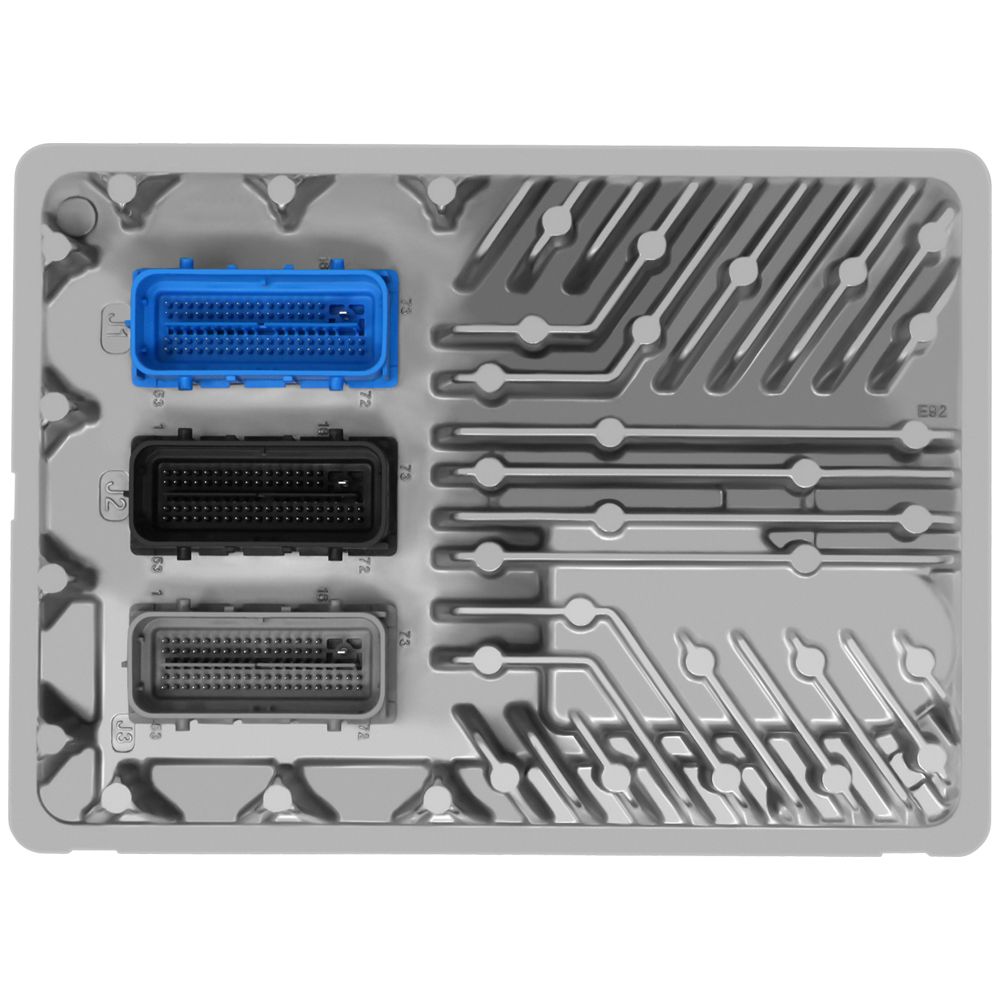
Flagship One stocks a refurbished, VIN-programmed PCM for the 2016 Chevrolet Suburban with a lifetime warranty, free shipping and no core charge. The full Chevrolet Suburban module lineup covers other engine configurations as well.
For owners of a 2016 Chevrolet Suburban, addressing PCM or ECM issues promptly can restore reliable performance and prevent further drivability problems. Consider a Flagship One replacement to simplify the programming step and get back on the road sooner.