
Last updated on August 25th, 2026 at 02:23 pm
The Engine Control Module (ECM) in your 2013 Chevrolet Suburban manages fuel delivery, ignition timing, and emissions systems. Failure may cause no-start conditions, erratic engine behavior, or stored trouble codes related to internal processor faults.
If your 2013 Chevrolet Suburban struggles to start, stalls unexpectedly, or triggers warning lights, the Engine Control Module (ECM) may be at fault. This critical component oversees engine performance, and its failure can disrupt fuel delivery, ignition timing, and emissions control. Replacing or servicing the ECM involves precise steps, including data capture before removal and a post-installation relearn procedure. Understanding these requirements helps you avoid unnecessary delays and ensures your vehicle runs reliably. Whether you’re diagnosing symptoms or planning a replacement, knowing the labor involved and factory-recommended practices keeps your Suburban operating as intended.
The Engine Control Module (ECM) in your 2013 Chevrolet Suburban acts as the brain of the engine, continuously adjusting fuel injection, spark timing, and emissions systems to optimize performance. It processes data from sensors throughout the vehicle to maintain efficiency and reduce harmful emissions. When the ECM fails, you may experience poor drivability, reduced fuel economy, or even a complete no-start condition. Replacing it requires careful handling, as the module must be programmed to match your vehicle’s specific configuration. Many owners opt for replacement engine computers for the Suburban to restore functionality without the hassle of dealer programming.
The ECM in your 2013 Chevrolet Suburban is typically located near the engine bay, though its exact position may vary slightly between the 1500 and 2500 models. Replacing the module involves disconnecting the battery, removing the electrical connectors, and unbolting the unit from its mounting bracket. Labor guides estimate 1.4 hours for removal and reinstallation, regardless of whether you drive a 1500 or 2500. After installation, a 0.5-hour relearn procedure is required to synchronize the ECM with the vehicle’s systems. Always follow factory procedures to avoid damaging the new module or causing additional issues.
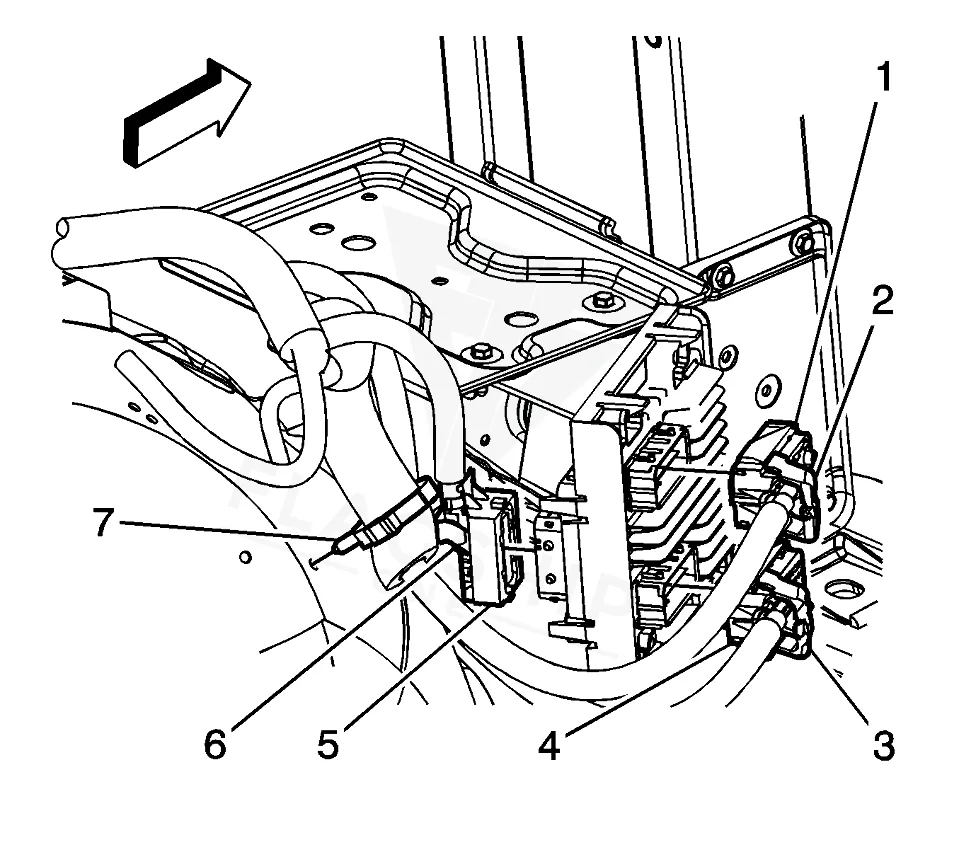
Work with the ignition off, and treat the module as static-sensitive: avoid touching the connector pins at any point.
| Operation | Configuration | Book Time |
|---|---|---|
| Powertrain Control Module R&R | Suburban 1500 | 1.4 hr |
| Powertrain Control Module R&R | Suburban 2500 | 1.4 hr |
| Powertrain Control Module Relearn | Suburban 1500 | 0.5 hr |
| Powertrain Control Module Relearn | Suburban 2500 | 0.5 hr |
| Engine Control Module R&R | Suburban 1500 | 1.4 hr |
| Engine Control Module R&R | Suburban 2500 | 1.4 hr |
| Engine Control Module Relearn | Suburban 1500 | 0.5 hr |
| Engine Control Module Relearn | Suburban 2500 | 0.5 hr |
2013 Chevrolet Suburban
OEM programmed ECM for your 2013 Chevrolet Suburban — plug & play, no dealer visit.
Free shipping · Lifetime warranty
After replacing the ECM in your 2013 Chevrolet Suburban, the factory requires a scan tool to capture data from the old module before removal. Specialized equipment and the correct calibration files are necessary to reprogram the new unit. However, a VIN-programmed replacement unit arrives ready to install, eliminating the need for on-site programming. This saves time and ensures the module is configured to your vehicle’s specifications right out of the box. Always verify that the replacement matches your Suburban’s exact model and engine configuration to avoid compatibility issues.
A failing ECM in your 2013 Chevrolet Suburban may cause a range of symptoms, from intermittent stalling to a complete no-start condition. You might notice the engine misfiring, poor acceleration, or warning lights appearing on the dashboard. In some cases, the vehicle may enter a reduced-power mode to prevent further damage. Trouble codes like internal control module memory checksum error often point to ECM failure, though other codes such as P0603 or P0606 may also appear. If your scan tool fails to communicate with the module, the ECM itself could be the issue.
The 2013 Chevrolet Suburban may store specific trouble codes when the ECM experiences internal faults. These codes help diagnose issues related to the module’s memory, processor, or communication systems. Reviewing them can confirm whether the ECM needs replacement or reprogramming.
GM service bulletin #09-06-03-004E addresses intermittent no-crank or no-start conditions in the 2013 Chevrolet Suburban, along with warning lights and communication errors between control modules. The bulletin identifies fretting corrosion in electrical connectors as a common cause. Technicians are advised to disconnect the affected connector, apply dielectric lubricant, and reassemble it to restore proper function. If you experience these symptoms, this repair may resolve the issue without replacing the ECM.
| Bulletin | Subject | What It Addresses |
|---|---|---|
| 09-06-03-004 | Intermittent No Crank/No Start, No Module Communication, MIL, Warning Lights, Vehicle Messages | Some customers may comment on any of the following conditions: An intermittent no crank/no start Intermittent malfunction indicator lamp (MIL) illumination… |
Common signs include intermittent stalling, a no-start condition, or warning lights on the dashboard. Trouble codes like P0601 or P0603 often indicate ECM issues. If your scan tool can’t communicate with the module, the ECM may need replacement.
While the physical replacement is straightforward, the module requires programming to match your vehicle’s VIN. A VIN-programmed replacement unit simplifies the process, but you’ll still need to perform a relearn procedure afterward.
Voltage spikes, corrosion in electrical connectors, or internal processor faults can lead to ECM failure. Poor battery health or improper jump-starting may also contribute to premature module damage.
If your 2013 Chevrolet Suburban is experiencing ECM-related issues, you have options. A dealer may recommend a new module with on-site programming, but this can be time-consuming and costly. Alternatively, a refurbished replacement unit, pre-programmed to your VIN, offers a reliable and efficient solution. This approach eliminates the need for additional programming and gets your Suburban back on the road faster.
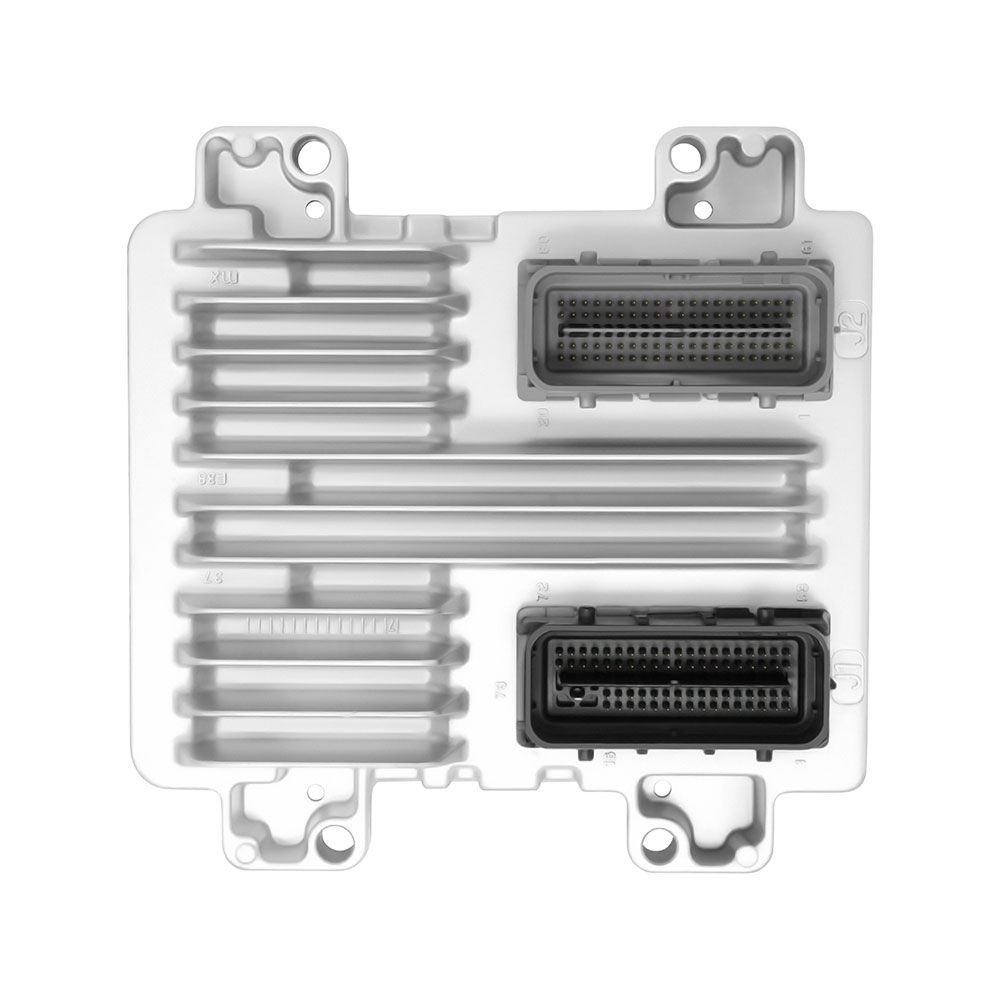
Flagship One stocks a refurbished, VIN-programmed PCM for the 2013 Chevrolet Suburban with a lifetime warranty, free shipping and no core charge. The full Chevrolet Suburban module lineup covers other engine configurations as well.
The ECM in your 2013 Chevrolet Suburban plays a critical role in engine performance and reliability. If you’re dealing with warning lights, stalling, or a no-start condition, the module may be the culprit. Understanding the replacement process, labor requirements, and factory procedures helps you make an informed decision. Whether you choose a new or refurbished unit, ensuring it’s properly programmed keeps your Suburban running smoothly.