
Last updated on August 25th, 2026 at 02:21 pm
In the 2016 Chevrolet Silverado the Powertrain Control Module and Engine Control Module manage engine speed, transmission shifting, and emissions. A failure typically disables powertrain communication, triggers diagnostic codes, and can cause loss of driveability.
When a 2016 Chevrolet Silverado begins to exhibit harsh shifting, unexpected clunks at start‑up, or an illuminated malfunction indicator, the underlying cause often traces back to the powertrain or engine control computers. Understanding how these modules function, what the factory recommends for repair, and how a Flagship One replacement can streamline the process equips you to make an informed decision. This guide walks through module locations, labor expectations, programming requirements, relevant service bulletins, and practical steps to keep the electronics healthy, so you can restore confidence in your truck’s performance.
The Powertrain Control Module (PCM) in the 2016 Chevrolet Silverado coordinates engine output with transmission operation, interpreting sensor data to command shift timing and fuel delivery. Simultaneously, the Engine Control Module (ECM) oversees combustion parameters, emissions controls, and idle stability. Together they ensure the vehicle meets performance and emissions standards, and any loss of communication can trigger a range of drivability issues. Because the Silverado relies on precise electronic timing for both power and shift events, a fault in either module may lead to rough gear changes, stalling, or a persistent MIL illumination. The PCM and ECM are integral to the vehicle’s integrated power‑train strategy, and a proper replacement restores the calibrated logic that the factory programmed. For those seeking a direct swap, replacement engine computers for the Silverado provide a ready‑made solution that matches the original specifications.
Both the PCM and ECM are mounted within the engine compartment of the 2016 Chevrolet Silverado, typically secured to the firewall or near the intake manifold. Removal follows the same labor estimate of 1.4 hours, reflecting the time needed to disconnect wiring harnesses, unbolt the module, and access any supporting brackets. After the unit is out, a 0.5‑hour relearn procedure is required to synchronize the new module with the vehicle’s existing sensors and transmission controller. No torque specifications are provided in the source data, so technicians should follow standard GM fastener practices when reinstalling the hardware.
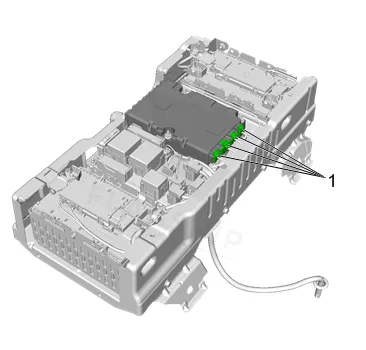
Work with the ignition off, and treat the module as static-sensitive: avoid touching the connector pins at any point.
| Operation | Configuration | Book Time |
|---|---|---|
| Powertrain Control Module R&R | Silverado 1500 | 1.4 hr |
| Powertrain Control Module R&R | Silverado 2500 HD | 1.4 hr |
| Powertrain Control Module R&R | Silverado 3500 HD | 1.4 hr |
| Powertrain Control Module Relearn | Silverado 1500 | 0.5 hr |
| Powertrain Control Module Relearn | Silverado 2500 HD | 0.5 hr |
| Powertrain Control Module Relearn | Silverado 3500 HD | 0.5 hr |
| Engine Control Module R&R | Silverado 1500 | 1.4 hr |
| Engine Control Module R&R | Silverado 2500 HD | 1.4 hr |
2016 Chevrolet Silverado
OEM programmed ECM for your 2016 Chevrolet Silverado — plug & play, no dealer visit.
Free shipping · Lifetime warranty
Once a new PCM or ECM is installed in the 2016 Chevrolet Silverado, the factory procedure calls for a high‑voltage enabling reprogram of the hybrid powertrain control module 2, as well as a capture of the original ECM data before removal. Flagship One units arrive VIN‑programmed, meaning those reprogramming steps are already completed. After installation you still need to run the PCM relearn routine, which typically takes about half an hour of diagnostic time. This approach reduces shop time and eliminates the need for a separate scan‑tool data capture step. a VIN-programmed replacement unit ensures the module is ready to communicate with the vehicle’s network immediately.
When the PCM or ECM in a 2016 Chevrolet Silverado begins to fail, owners may notice delayed or harsh shifting, a noticeable clunk when the engine starts, or a steady MIL light accompanied by codes such as P16F3. Engine start‑up can become intermittent, and idle stability may wander, leading to stalling under light load. Diagnostic trouble codes frequently appear, including Powertrain control module internal processor fault, which signals a loss of internal processing capability. In some cases, the vehicle may refuse to shift out of park after sitting for several hours, or the transmission may exhibit firm garage shifts. Communication with a scan tool can become erratic, making troubleshooting more difficult.
The following diagnostic codes are commonly logged by the powertrain and engine control modules in the 2016 Chevrolet Silverado:
Service bulletin #15-NA-007 (Jan 29 2016) addresses firm garage shifts, start‑up clunk, and DTC P16F3, recommending a TCM reprogram. Bulletin #16-NA-182 (Jun 7 2016) covers DTC P0777 and firm 3‑2 downshifts, also calling for TCM reprogramming.
| Bulletin | Subject | What It Addresses |
|---|---|---|
| — | DTC P0777, Firm 3–2 Downshifts (Reprogram TCM) – (Jun 7, 2016) | — |
| — | Firm Garage Shifts, Start Up Clunk, DTC P16F3 (Reprogram TCM) – (Jan 29, 2016) | Some customers may comment on any of the following conditions: Firm garage shifts, Park to Drive or Park to Reverse after the vehicle has be sitting for… |
Yes, a PCM that cannot process shift commands may prevent the transmission from releasing park, especially after the vehicle has been idle for several hours.
The factory procedure advises using a scan tool to record the ECM’s data prior to removal, which helps preserve calibrated parameters for reprogramming.
The book time for removing and installing the Powertrain Control Module on a 2016 Silverado is listed as 1.4 hours, plus an additional 0.5 hours for the relearn process.
The bulletins focus on reprogramming the transmission control module to address specific shift‑related codes; they do not mandate hardware replacement unless the reprogram fails.
Flagship One units are VIN‑programmed, but the vehicle still requires the standard relearn routine to synchronize the new module with existing sensors.
When the PCM or ECM in your 2016 Chevrolet Silverado needs attention, you can choose a factory‑repaired unit or a refurbished replacement that matches the original specifications. Both options restore the vehicle’s electronic control, but a Flagship One part arrives VIN‑programmed, reducing the time you spend on reprogramming steps. Evaluate the condition of the existing module, consider labor costs, and decide which path aligns best with your repair schedule.
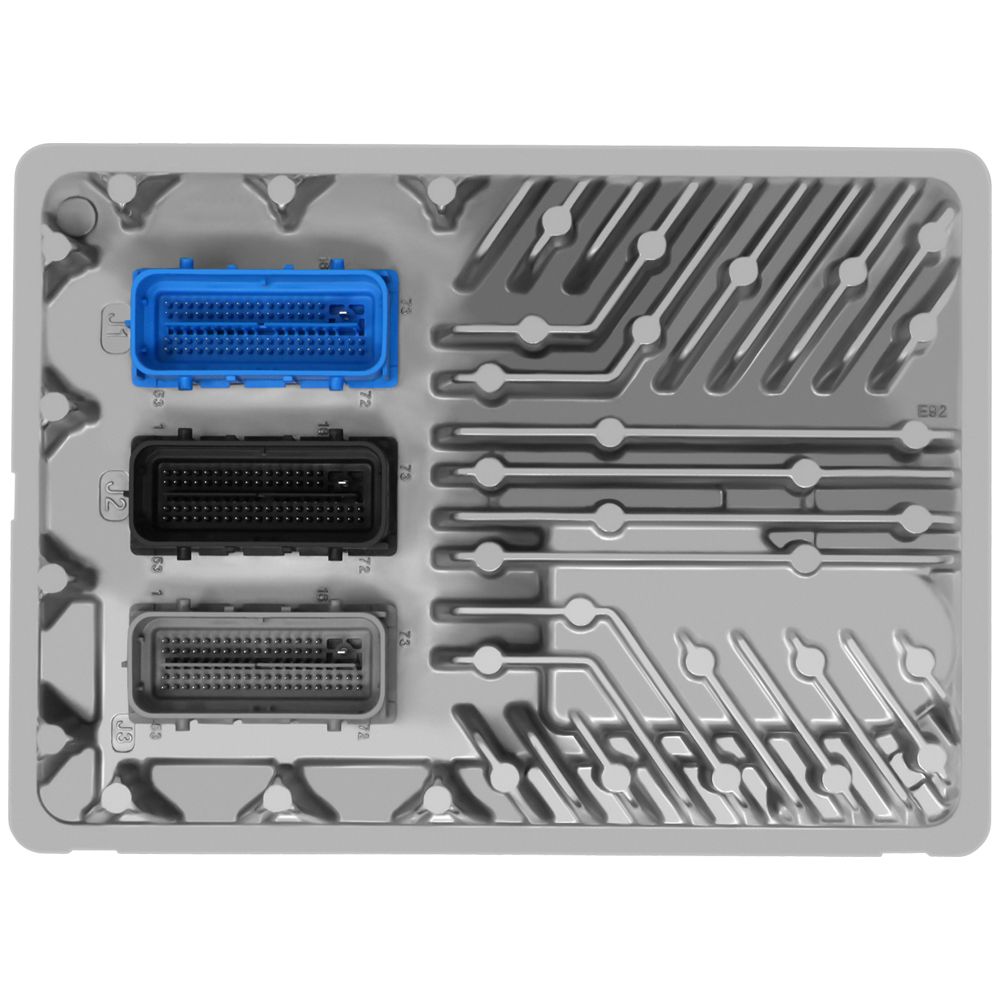
Flagship One stocks a refurbished, VIN-programmed PCM for the 2016 Chevrolet Silverado with a lifetime warranty, free shipping and no core charge. The full Chevrolet Silverado module lineup covers other engine configurations as well.
Understanding the role of the PCM and ECM in your 2016 Chevrolet Silverado helps you diagnose shift and engine issues more effectively. Whether you opt for a repaired unit or a Flagship One replacement, proper installation and programming are essential to get your truck back on the road.