
Last updated on August 25th, 2026 at 02:22 pm
The engine control module (ECM) in the 2015 Chevrolet Sonic 1.4L is the primary computer governing fuel delivery, ignition timing, and emissions. A failing unit can trigger no-start conditions, poor performance, or internal diagnostic trouble codes like P0601, signaling a processor fault.
When a 2015 Chevrolet Sonic begins to exhibit hard starts, intermittent stalling, or a complete no-crank condition, the engine control module (ECM) is often a prime suspect. This compact computer orchestrates critical engine functions, and its failure can leave you stranded or chasing elusive symptoms. Understanding what the module does, how to confirm a fault, and what a proper replacement entails can save you from unnecessary parts swapping and repeated trips to the shop. This guide walks through the role of the ECM in your Sonic, the labor involved in swapping it, the factory programming steps, and how a pre-programmed unit can streamline the repair. You will also find the internal trouble codes that point directly to module failure, along with practical tips to protect the new component.
The engine control module in the 2015 Chevrolet Sonic 1.4L is the central computer that manages spark advance, fuel delivery, and emissions controls. It continuously processes data from sensors like the mass airflow, throttle position, and oxygen sensors to adjust engine operation in real time. When the ECM malfunctions, the engine may run poorly, fail to start, or trigger a check-engine light with codes that cannot be cleared. A faulty module can also disrupt communication with the transmission control unit, leading to shifting problems. Because the ECM is vehicle-specific and stores the VIN, odometer, and security information, a direct swap with a used unit is not possible without reprogramming. That is why sourcing a properly prepared replacement engine control module for the Sonic is essential to restore reliable operation without additional programming headaches.
The ECM on the 2015 Chevrolet Sonic is mounted in the engine compartment, typically near the battery or fuse box. Access requires removing the negative battery cable, then disconnecting the electrical harness connectors from the module. The unit is secured with a bracket or retaining clips. Book time for removal and replacement of the powertrain control module is 0.5 hours. After installation, a separate relearn procedure is required, also listed at 0.5 hours. This relearn allows the module to adapt to the vehicle’s sensors and actuators. If only a reset is needed, the labor time is 0.3 hours. No additional torque specifications or special access steps are provided in the standard labor guide.
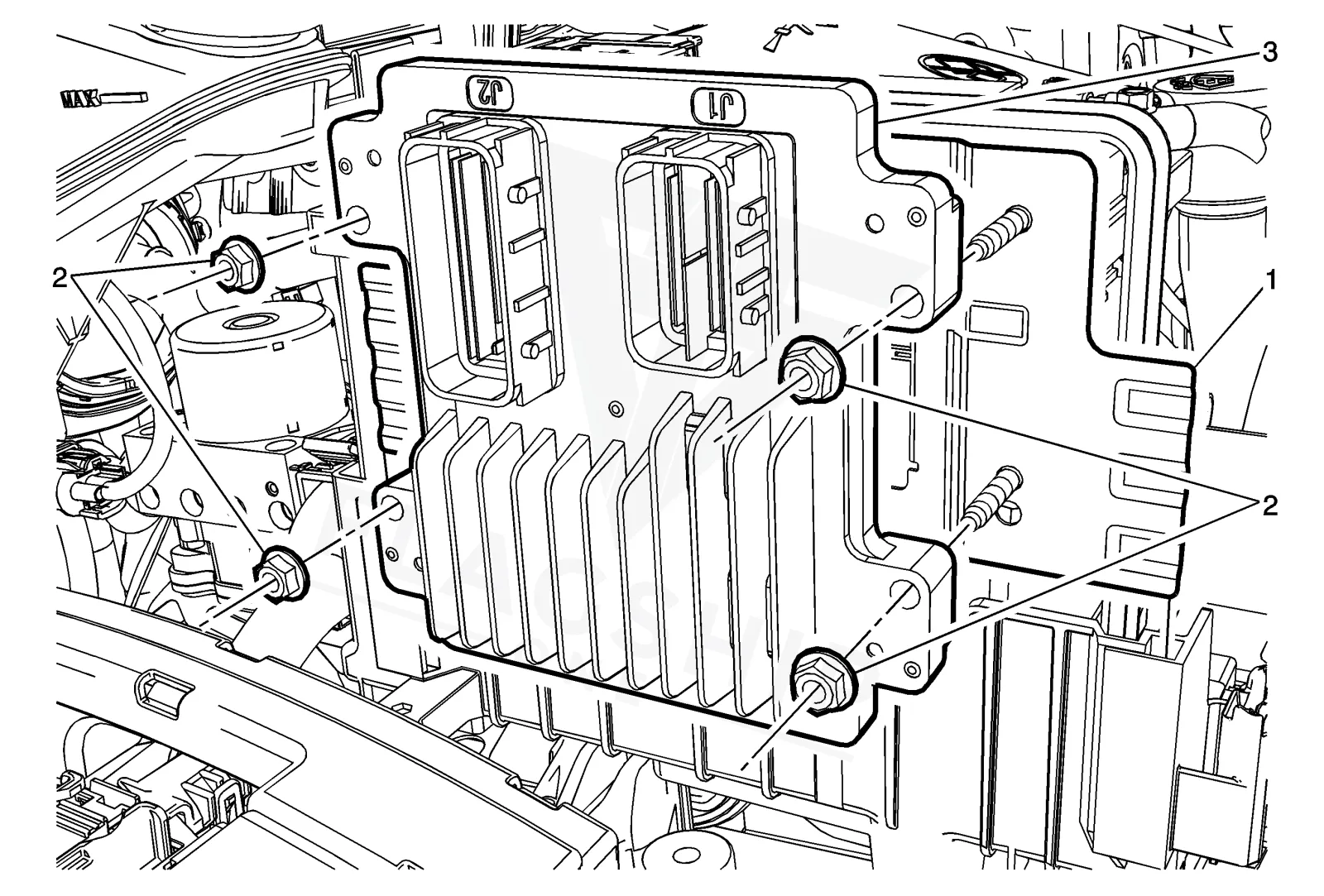
Work with the ignition off, and treat the module as static-sensitive: avoid touching the connector pins at any point.
| Operation | Configuration | Book Time |
|---|---|---|
| Powertrain Control Module R&R | All configurations | 0.5 hr |
| Powertrain Control Module Relearn | All configurations | 0.5 hr |
| Engine Control Module R&R | All configurations | 0.5 hr |
| Engine Control Module Relearn | All configurations | 0.5 hr |
| Engine Control Module Reset | All configurations | 0.3 hr |
2015 Chevrolet Sonic
OEM programmed ECM for your 2015 Chevrolet Sonic — plug & play, no dealer visit.
Free shipping · Lifetime warranty
Factory service information specifies that reprogramming a replacement K20 engine control module requires the use of the EL-49642 SPS programming support tool. This procedure loads the correct calibration and vehicle-specific data into the new module. However, when you install a VIN-programmed replacement unit from Flagship One, that step is already completed. The module arrives with your vehicle’s VIN, security credentials, and latest software pre-loaded, so you can skip the dealer-only programming and perform the physical swap and relearn yourself. This eliminates the need for the EL-49642 tool and the associated programming labor.
A failing engine control module in the 2015 Chevrolet Sonic often produces symptoms that mimic other component failures, making diagnosis challenging. The engine may crank but not start, or it may start and then stall without warning. Intermittent misfires, rough idling, and a loss of communication with a scan tool are common clues. In some cases, the transmission may refuse to shift out of park or exhibit harsh gear changes because the ECM cannot relay vehicle speed data. When the module’s internal processor or memory is damaged, the vehicle may store a specific fault such as internal control module fault, which points directly to a computer integrity issue rather than an external sensor problem. Other signs include a check-engine light that remains on even after clearing codes, or multiple unrelated sensor codes appearing simultaneously.
The following diagnostic trouble codes are documented for the 2015 Chevrolet Sonic 1.4L and indicate an internal fault within the engine control module. These codes typically cannot be resolved by replacing external sensors or wiring and often require module replacement or reprogramming.
Service bulletin #17-NA-242, released July 2017, provides information on changes to the SPS programming system that now warn or prohibit reprogramming a module with its current calibration. This affects the 2015 Sonic and other GM vehicles. Bulletin #PIT5436A, from November 2014, offers a diagnostic tip regarding OnStar Wi-Fi enablement after a VCIM replacement or reprogramming event. While the latter primarily addresses the communication interface module, it may be relevant if the ECM replacement involves a VCIM reprogramming step.
| Bulletin | Subject | What It Addresses |
|---|---|---|
| — | Information on Changes to SPS that Warn/Prohibit Reprogramming a Module With Its Current Calibr | — |
| — | Diagnostic Tip: OnStar WIFI Enable After VCIM Replacement Or Reprogramming Event – (Nov 24, 201 | — |
Look for a no-start condition, multiple unrelated sensor codes, or a stored P0601 code. If the engine cranks but does not fire and you have spark and fuel, the ECM may be at fault. A professional scan tool can also check for communication with the module.
No, a used ECM is locked to the original vehicle’s VIN and security system. It will not start your Sonic unless it is reprogrammed with your vehicle’s specific data. A pre-programmed unit from Flagship One arrives ready to install.
A reset clears learned adaptive values and takes 0.3 hours of labor. A relearn, which takes 0.5 hours, is required after replacing the module to allow it to adapt to your vehicle’s sensors and actuators. Both are separate from the physical R&R.
When a 2015 Chevrolet Sonic needs a new engine control module, you have two paths: source a blank unit and pay for dealer programming, or choose a pre-programmed replacement that arrives ready to install. The latter eliminates the need for the EL-49642 tool and the programming labor, getting your Sonic back on the road faster. Consider the total cost of the module plus programming when comparing options.
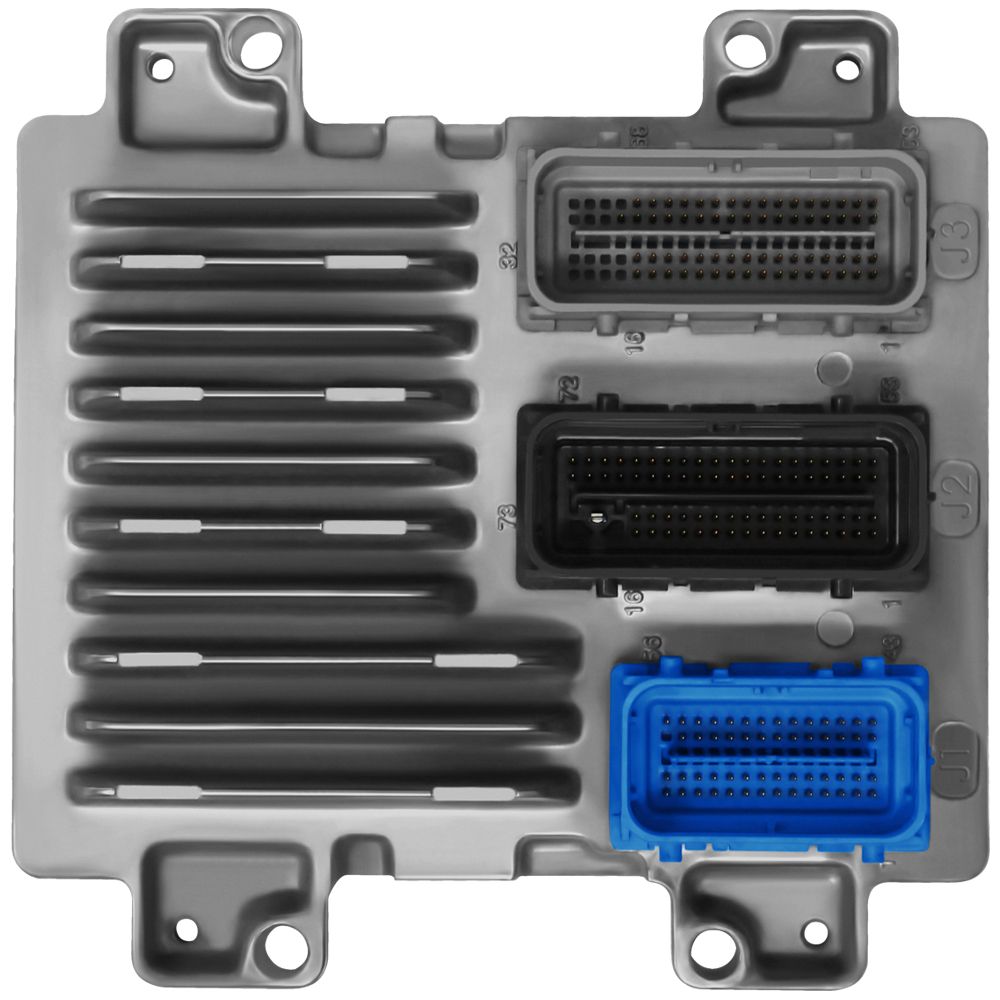
Flagship One stocks a refurbished, VIN-programmed PCM for the 2015 Chevrolet Sonic with a lifetime warranty, free shipping and no core charge. The full Chevrolet Sonic module lineup covers other engine configurations as well.
A failing ECM in your 2015 Chevrolet Sonic can cause frustrating driveability issues, but the repair does not have to be complicated. With the correct diagnosis, a straightforward swap, and a pre-programmed module, you can restore reliable performance. Take the time to confirm the fault, follow the installation steps, and protect the new unit with good electrical practices.