
Last updated on August 25th, 2026 at 02:23 pm
The engine control module (ECM) in your 2012 Chevrolet Camaro manages fuel delivery, ignition timing, and emissions systems. Failures may cause drivability issues, warning lights, or prevent the engine from starting.
If your 2012 Chevrolet Camaro is experiencing unexplained stalling, a no-start condition, or an illuminated check-engine light, the engine control module (ECM) may be the culprit. This small but critical computer oversees fuel injection, spark timing, and emissions controls. When it fails, symptoms can range from subtle drivability quirks to complete engine shutdown. Understanding what the ECM does, where it’s located, and what replacement involves helps you make informed decisions. This guide covers labor times, factory procedures, and practical steps to protect your vehicle’s electronics during and after the repair.
The ECM in your 2012 Chevrolet Camaro acts as the brain of the engine, continuously adjusting fuel mixture and ignition timing for optimal performance. It also monitors emissions systems and communicates with the transmission control module to ensure smooth shifts. A faulty ECM may disrupt these functions, leading to poor acceleration, rough idling, or even a vehicle that won’t start. When replacement becomes necessary, replacement engine computers for the Camaro are available to restore proper operation. The module’s role is so central that even minor glitches can trigger warning lights or stored trouble codes.
In the 2012 Chevrolet Camaro, the ECM is mounted near the engine bay, typically behind the driver-side strut tower. Replacing it involves disconnecting the battery, removing the electrical connector, and unbolting the module from its bracket. Factory labor time for removal and reinstallation is 0.6 hours. After installation, a relearn procedure of 0.5 hours is required to synchronize the new module with the vehicle’s systems. Always ensure the electrical connector is clean and fully seated to avoid communication issues.
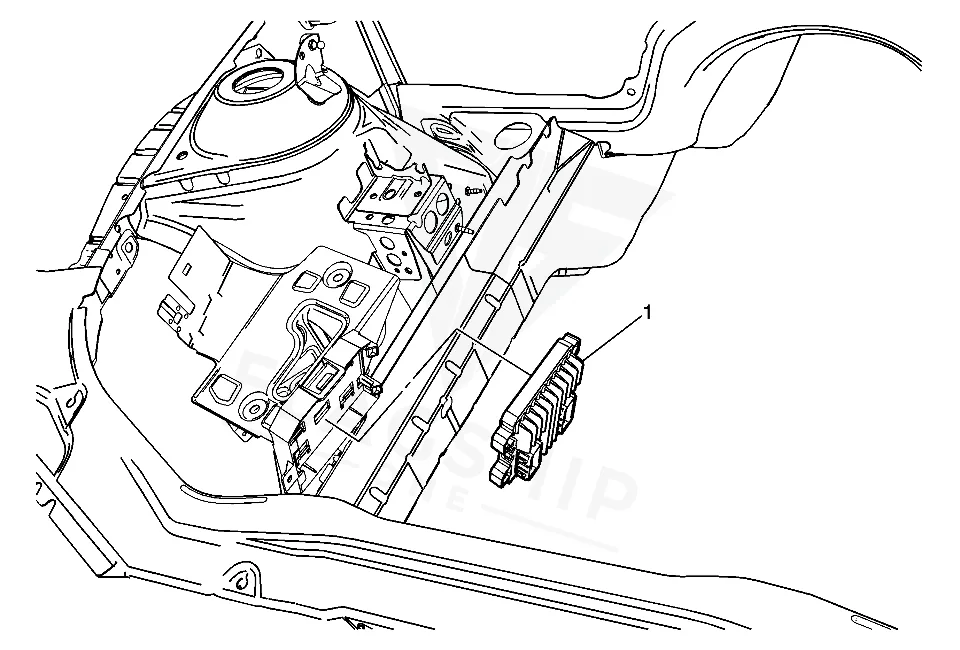
Work with the ignition off, and treat the module as static-sensitive: avoid touching the connector pins at any point.
| Operation | Configuration | Book Time |
|---|---|---|
| Engine Control Module R&R | All configurations | 0.6 hr |
| Engine Control Module Relearn | All configurations | 0.5 hr |
| Powertrain Control Module R&R | All configurations | 0.6 hr |
| Powertrain Control Module Relearn | All configurations | 0.5 hr |
2012 Chevrolet Camaro
OEM programmed ECM for your 2012 Chevrolet Camaro — plug & play, no dealer visit.
Free shipping · Lifetime warranty
After installing a new ECM in your 2012 Chevrolet Camaro, the factory procedure requires reprogramming the module with the correct calibration files. This process demands specialized equipment and software to ensure compatibility with your vehicle’s VIN. However, a VIN-programmed replacement unit arrives ready for installation, eliminating the need for on-site programming. Capturing ECM data with a scan tool before removal is recommended to preserve vehicle-specific settings, though this step does not replace the need for proper calibration during replacement.
A failing ECM in your 2012 Chevrolet Camaro may cause a variety of symptoms. The engine might stall unexpectedly, hesitate during acceleration, or refuse to start altogether. Warning lights, such as the check-engine light, often illuminate, and the vehicle may enter a reduced-power mode to prevent further damage. Common trouble codes include internal control module memory checksum error, which indicates a fault within the ECM’s memory. Other signs include erratic shifting, poor fuel economy, or a complete loss of communication with a scan tool.
The 2012 Chevrolet Camaro’s ECM may store specific trouble codes when internal faults occur. These codes help diagnose issues related to memory errors, communication failures, or calibration mismatches. Below are the documented module-internal trouble codes for this vehicle.
Factory service bulletins for the 2012 Chevrolet Camaro address intermittent check-engine lights caused by ECM-related faults. Bulletin #PIP5018B (August 2012) and its earlier version, #PIP5018A (May 2012), recommend reprogramming the ECM to resolve issues linked to codes P0191 and P062F. Another bulletin, #PIP4933D (July 2012), outlines part restrictions for the E39 ECM, which may impact replacement options. These bulletins highlight the importance of using updated calibration files during service.
| Bulletin | Subject | What It Addresses |
|---|---|---|
| — | Intermittent MIL Due To DTC P0191 And/Or P062F – Reprogram ECM – (Aug 14, 2012) | — |
| — | Intermittent MIL Due To DTC P0191 And/or P062F – Reprogram ECM – (May 15, 2012) | — |
| — | PQC Part Restriction – E39 ECM – (Jul 11, 2012) | — |
Yes, the factory procedure requires reprogramming the ECM with the correct calibration files for your vehicle’s VIN. This ensures compatibility with the engine and transmission systems. A VIN-programmed replacement unit arrives ready for installation, skipping this step.
Common symptoms include stalling, no-start conditions, illuminated check-engine lights, and stored trouble codes like P0601 or P062F. The vehicle may also exhibit poor acceleration or erratic shifting behavior.
Factory labor time for ECM removal and reinstallation is 0.6 hours. An additional 0.5 hours is required for the relearn procedure to synchronize the new module with the vehicle’s systems.
If your 2012 Chevrolet Camaro is showing signs of ECM failure, you have options. A repair may address minor issues, but a replacement ensures long-term reliability. Given the labor and programming requirements, choosing a pre-programmed module can simplify the process and reduce downtime. Consider your vehicle’s needs and the benefits of a fresh, calibrated unit.
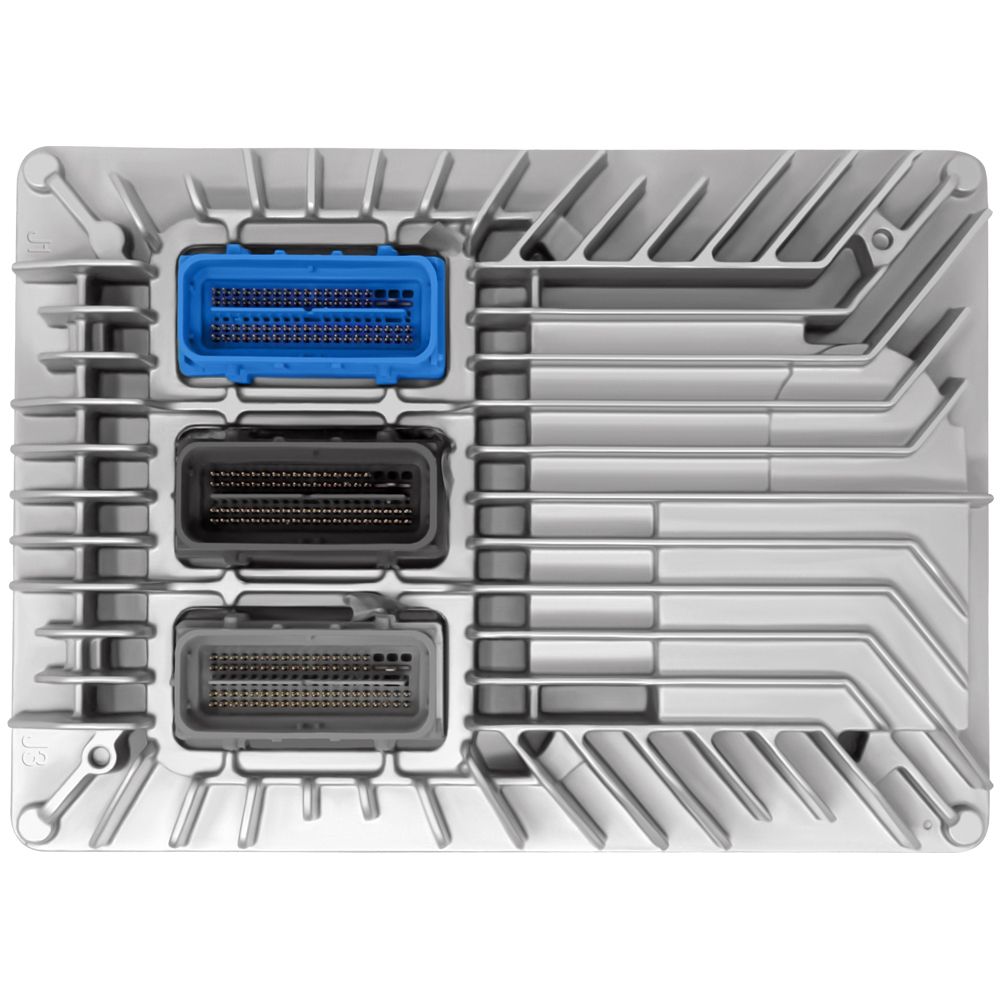
Flagship One stocks a refurbished, VIN-programmed PCM for the 2012 Chevrolet Camaro with a lifetime warranty, free shipping and no core charge. The full Chevrolet Camaro module lineup covers other engine configurations as well.
The 2012 Chevrolet Camaro relies on its ECM for smooth operation, and addressing issues promptly can prevent further complications. Whether you opt for a repair or replacement, understanding the process and factory requirements ensures a successful outcome. Keep your vehicle running reliably with the right approach to ECM service.