
Last updated on August 25th, 2026 at 02:23 pm
In the 2013 Chevrolet Camaro with the 3.6L engine, the Engine Control Module (ECM) and Powertrain Control Module (PCM) manage engine timing, fuel delivery, and transmission shifting. Failure of either unit may trigger no‑crank, stalling, or diagnostic trouble codes, disrupting vehicle operation.
When a 2013 Chevrolet Camaro experiences no‑crank, intermittent MIL illumination, or erratic power‑train behavior, the engine and powertrain control modules are common suspects. This guide explains what the ECM and PCM do in this model, how to access and replace them, and what programming steps are required to get your vehicle back on the road. By the end, you’ll know the labor effort, key precautions, and how a VIN‑programmed replacement from Flagship One can simplify the process.
The ECM in the 2013 Chevrolet Camaro controls fuel injection, ignition timing, and emission functions, while the PCM also integrates transmission control. Together they ensure smooth acceleration and proper gear changes. Proper operation is critical because any mis‑communication can lead to drivability issues. Understanding these roles helps you diagnose problems and appreciate why a correct replacement matters. replacement engine computers for the 2013 Chevrolet Camaro ensures the vehicle runs as intended.
Both modules reside within the engine compartment, attached to the vehicle’s wiring harness. Removing the ECM typically requires 0.6 hours of labor, followed by a 0.5‑hour relearn procedure to restore calibration. The PCM replacement follows the same pattern: 0.6 hours for removal and 0.5 hours for relearn. Access may involve disconnecting battery power and securing connectors before the units are removed.
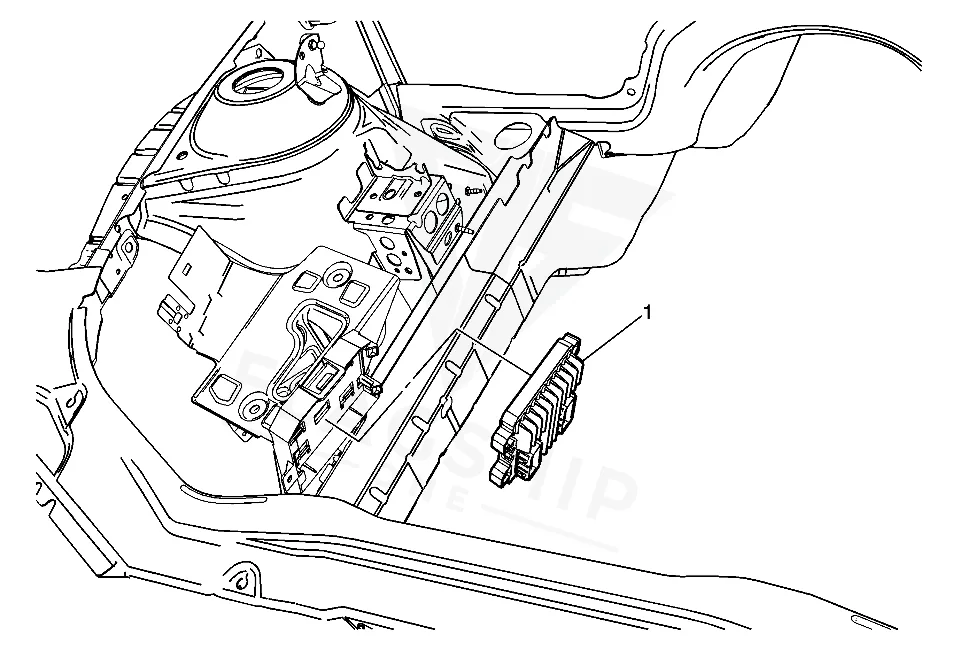
Work with the ignition off, and treat the module as static-sensitive: avoid touching the connector pins at any point.
| Operation | Configuration | Book Time |
|---|---|---|
| Engine Control Module R&R | All configurations | 0.6 hr |
| Engine Control Module Relearn | All configurations | 0.5 hr |
| Powertrain Control Module R&R | All configurations | 0.6 hr |
| Powertrain Control Module Relearn | All configurations | 0.5 hr |
2013 Chevrolet Camaro
OEM programmed ECM for your 2013 Chevrolet Camaro — plug & play, no dealer visit.
Free shipping · Lifetime warranty
After installing a new ECM, the factory process calls for capturing the original module’s data with a scan tool before removal, then using specialized equipment and the correct calibration to reprogram the unit. Flagship One units arrive VIN‑programmed, so those steps are already completed. a VIN-programmed replacement unit eliminates the need for on‑site data capture and calibration.
Typical signs of a failing ECM or PCM in a 2013 Chevrolet Camaro include a no‑crank condition, intermittent stalling, random misfires, and loss of transmission shift control. Diagnostic trouble codes such as ECM processor fault often appear, indicating internal module issues. You may also see intermittent MIL illumination or unexpected warning messages on the dash.
The following trouble codes are documented for the 2013 Chevrolet Camaro’s control modules:
| Bulletin | Subject | What It Addresses |
|---|---|---|
| — | PQC Part Restriction – E39A ECM Has Ended – (Mar 28, 2013) | — |
| 09-06-03-004 | Intermittent No Crank/No Start, No Module Communication, MIL, Warning Lights, Vehicle Messages | Some customers may comment on any of the following conditions: An intermittent no crank/no start Intermittent malfunction indicator lamp (MIL) illumination… |
Yes, the ECM controls ignition timing and fuel delivery, so a malfunction can prevent the engine from cranking or starting.
Factory procedures require a scan tool to capture data and calibrated equipment for reprogramming, but a VIN‑programmed unit removes that requirement.
The book time for removing and reinstalling the PCM is generally 0.6 hours, plus an additional 0.5 hours for the relearn process.
When the ECM or PCM in your 2013 Chevrolet Camaro needs service, you can choose a factory‑approved repair or a refurbished replacement. Flagship One offers units that match the original specifications and arrive VIN‑programmed, reducing shop time and simplifying the post‑install steps.
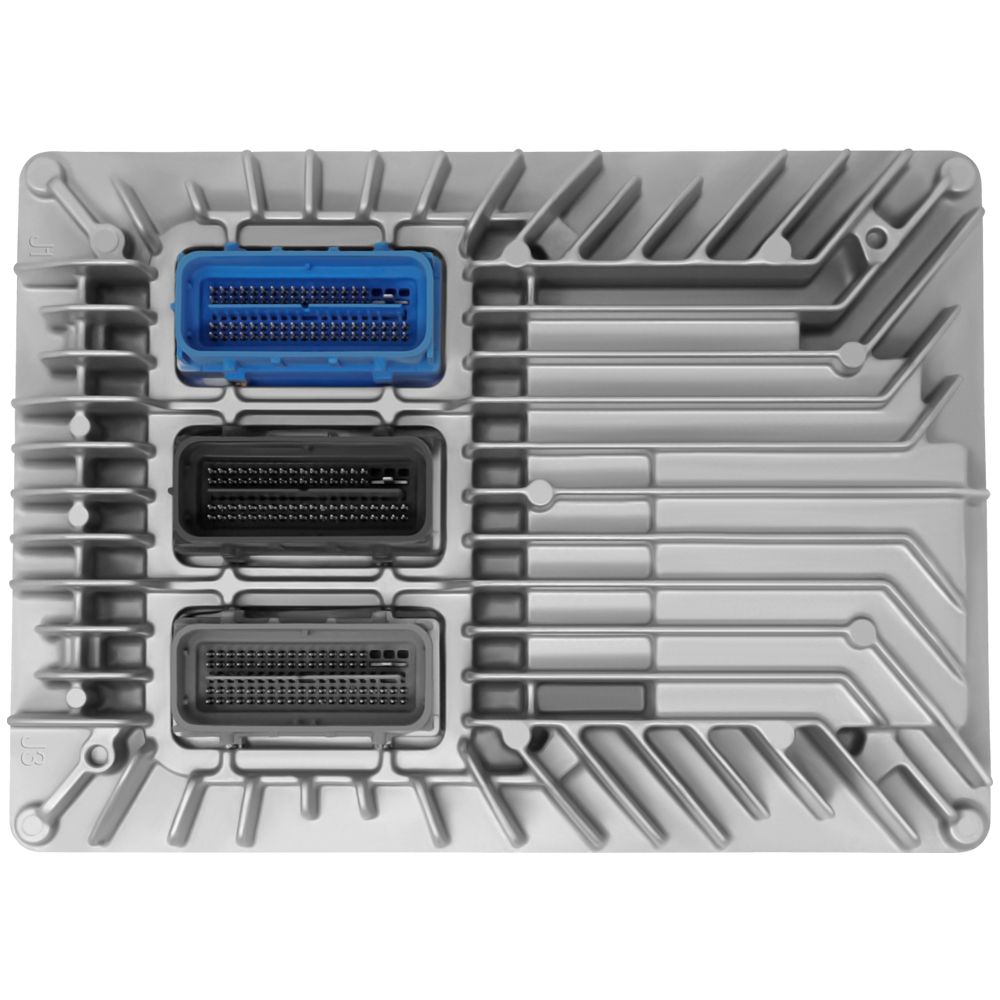
Flagship One stocks a refurbished, VIN-programmed PCM for the 2013 Chevrolet Camaro with a lifetime warranty, free shipping and no core charge. The full Chevrolet Camaro module lineup covers other engine configurations as well.
If your 2013 Chevrolet Camaro is showing no‑start or intermittent warning signs, evaluating the ECM and PCM is a logical next step. Consider a VIN‑programmed replacement to streamline the repair and get back on the road quickly.