
Last updated on August 25th, 2026 at 02:24 pm
In the 2011 Chevrolet Camaro the Engine Control Module (ECM) and Powertrain Control Module (PCM) manage engine timing, fuel delivery and transmission shifting. Failure typically disrupts sensor communication, causing loss of power, stalling or error codes that prevent the vehicle from running correctly.
When the 2011 Chevrolet Camaro exhibits erratic performance or diagnostic trouble codes, the engine and power‑train control modules are often the focus. Understanding how these computers function, what the factory recommends for removal, and the programming steps required can help you decide between a repair or a replacement. This guide walks you through the key tasks, the labor involved, and what to expect when you choose a Flagship One replacement.
The ECM in the 2011 Chevrolet Camaro monitors sensor inputs and commands fuel injection, ignition timing and emissions control. The PCM extends that role to the transmission, coordinating shift timing and torque delivery. Together they ensure the engine runs smoothly and the gearbox shifts correctly, which is essential for both performance and emissions compliance. Proper operation of these units directly influences drivability, fuel economy and emissions output. The vehicle relies on accurate data, so a fault can quickly affect multiple systems Camaro replacement ECMs during operation.
The ECM and PCM are mounted within the engine compartment, accessible after removing the upper intake components. Removal typically follows the book time of 0.6 hours per module, with a subsequent 0.5 hour relearn step after installation. The process involves disconnecting the 12 V battery, unplugging the module connectors, and securing the new unit with the original fasteners. Reinstall follows the same sequence in reverse, ensuring all electrical connections are seated before the battery is reconnected.
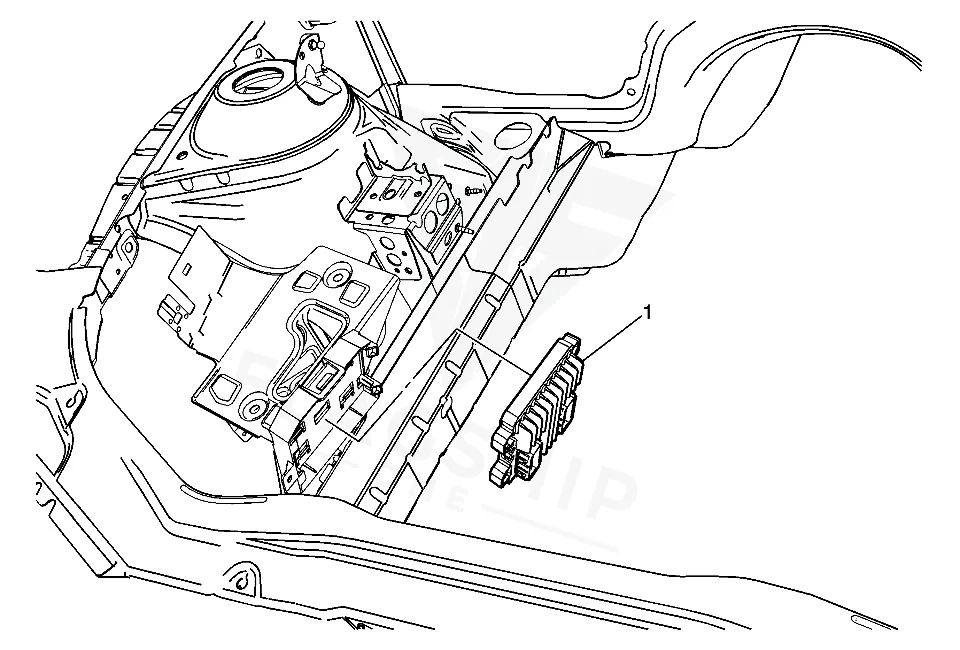
Work with the ignition off, and treat the module as static-sensitive: avoid touching the connector pins at any point.
| Operation | Configuration | Book Time |
|---|---|---|
| Engine Control Module R&R | All configurations | 0.6 hr |
| Engine Control Module Relearn | All configurations | 0.5 hr |
| Powertrain Control Module R&R | All configurations | 0.6 hr |
| Powertrain Control Module Relearn | All configurations | 0.5 hr |
2011 Chevrolet Camaro
OEM programmed ECM for your 2011 Chevrolet Camaro — plug & play, no dealer visit.
Free shipping · Lifetime warranty
After installing a new ECM or PCM, the factory procedure calls for a relearn operation using a scan tool to capture module data and then apply the correct calibration. Flagship One provides a VIN‑programmed replacement unit that already includes the required program and calibration, so the on‑site steps are limited to the standard relearn process a VIN-programmed replacement unit without additional software loading.
A failing ECM or PCM in the 2011 Chevrolet Camaro may prevent the engine from starting, cause intermittent stalling, produce misfire codes, or result in erratic transmission shifting. You might also notice loss of communication with a scan tool, which can make diagnostics difficult. One common fault is indicated by the code internal processor error, which points to a malfunction within the module itself and often triggers a no‑start condition.
The following internal trouble codes are documented for the 2011 Chevrolet Camaro’s control modules:
Service bulletin #10211, dated June 30, 2010, outlines a calibration error that may require ECM reprogramming for inventory and customer vehicles.
| Bulletin | Subject | What It Addresses |
|---|---|---|
| — | Service Update for Inventory and Customer Vehicles – Calibration Error – Reprogram ECM – (Jun 3 | — |
The factory book time lists 0.6 hours for removal and replacement, plus an additional 0.5 hours for the relearn procedure.
Yes, the factory specifies special equipment and the correct program file are required for PCM reprogramming.
Flagship One units arrive VIN‑programmed, which typically removes the need for on‑site calibration, though the relearn step remains.
When the ECM or PCM fails in your 2011 Chevrolet Camaro, you can either have the original unit repaired or choose a Flagship One refurbished replacement. Both options address the mechanical symptoms, but a Flagship One unit arrives pre‑programmed, reducing on‑site labor and helping you get back on the road faster.
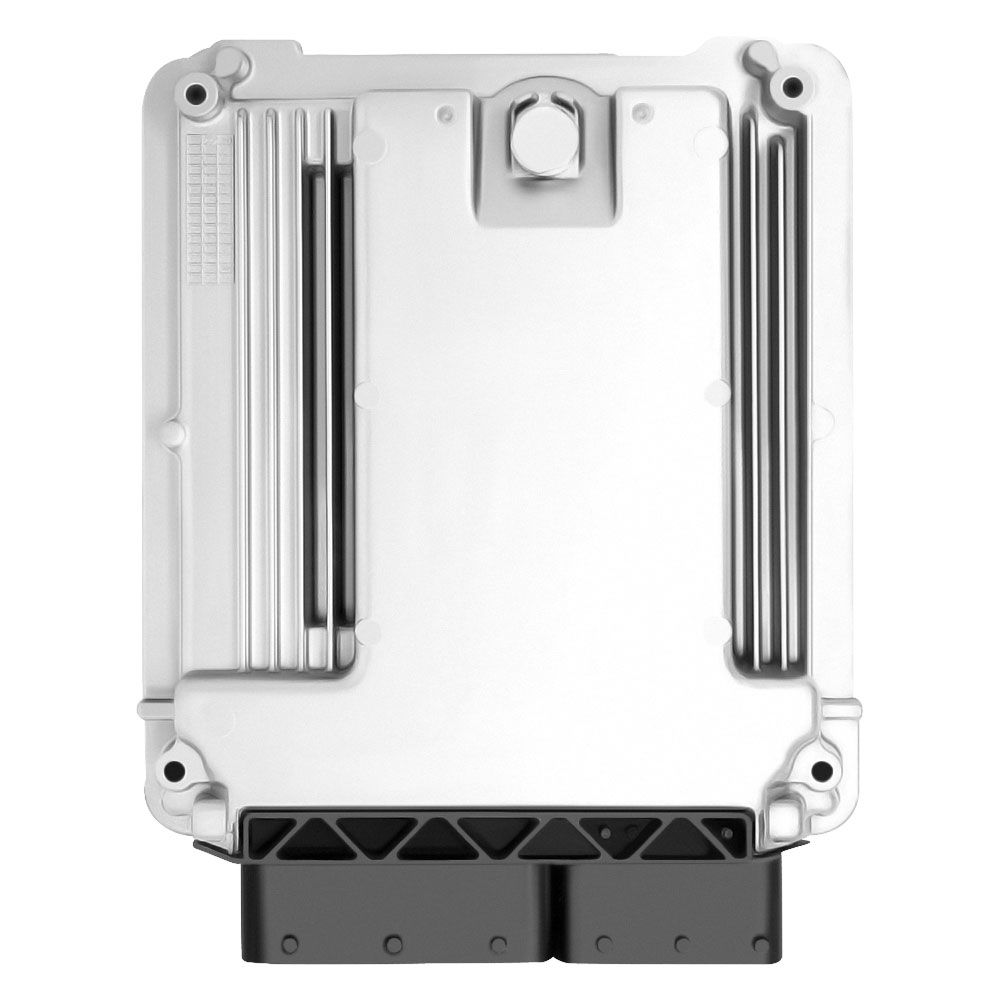
Flagship One stocks a refurbished, VIN-programmed PCM for the 2011 Chevrolet Camaro with a lifetime warranty, free shipping and no core charge. The full Chevrolet Camaro module lineup covers other engine configurations as well.
The 2011 Chevrolet Camaro relies on its ECM and PCM for reliable performance. Considering a Flagship One replacement can simplify the reprogramming process while ensuring the vehicle meets its original specifications. Contact a qualified technician to evaluate your specific situation.