
Last updated on August 25th, 2026 at 02:16 pm
The Engine Control Module (ECM) in the 2009 Chevrolet Malibu manages fuel delivery, ignition timing, and emissions systems. Failures may cause drivability issues, diagnostic trouble codes, or complete engine shutdown.
If your 2009 Chevrolet Malibu has been stalling, refusing to start, or throwing cryptic check-engine lights, the Engine Control Module (ECM) may be the culprit. This small but critical computer manages everything from fuel injection to emissions controls, and when it fails, your vehicle’s performance suffers. Replacing it isn’t as simple as swapping a fuse—it involves precise labor, programming, and relearn steps to ensure your Malibu runs correctly afterward. Understanding the process helps you avoid unnecessary costs, prevent damage to other systems, and make informed decisions about repairs. Whether you’re a DIYer or working with a shop, knowing what’s involved in an ECM replacement for your 2009 Malibu can save time and frustration. This guide covers the module’s role, symptoms of failure, labor requirements, and factory procedures to get your vehicle back on the road reliably.
The Engine Control Module (ECM) in the 2009 Chevrolet Malibu serves as the brain of the engine, continuously monitoring and adjusting fuel delivery, ignition timing, and emissions systems to optimize performance and efficiency. Without a functioning ECM, your Malibu may struggle to start, run roughly, or even fail to operate at all. The module processes data from sensors throughout the engine, making real-time adjustments to maintain smooth operation under varying conditions. When the ECM fails, it often triggers internal trouble codes, such as replacement engine computers for the Malibu, which can help diagnose the issue. These failures may stem from electrical surges, corrosion, or software glitches, and replacing the module requires careful handling to avoid further complications. Given its role in managing critical engine functions, a faulty ECM can lead to poor fuel economy, increased emissions, or even catalytic converter damage if left unaddressed. Understanding how the ECM operates in your Malibu helps you recognize symptoms early and take appropriate action before minor issues escalate.
In the 2009 Chevrolet Malibu, the Engine Control Module (ECM) is typically located near the engine bay, though its exact position may require removing some components for access. Replacing the ECM involves disconnecting the battery, removing the electrical connectors, and unbolting the module from its mounting bracket. The labor time for this procedure is estimated at 1.4 hours, according to factory guidelines. After installation, the new module must be secured properly to prevent vibration or moisture damage. The factory also advises capturing ECM data with a scan tool before removal to preserve vehicle-specific settings. While the physical replacement is straightforward, the process doesn’t end there—reprogramming and relearn procedures are necessary to ensure the new ECM communicates correctly with the rest of the vehicle’s systems.
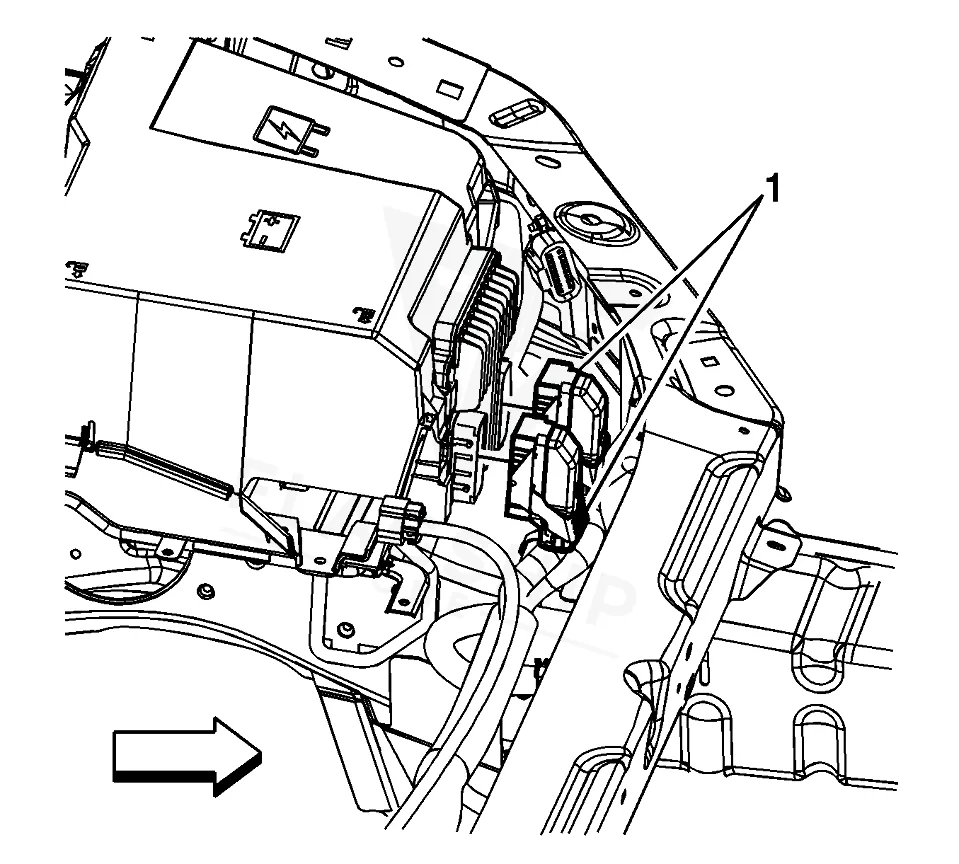
Work with the ignition off, and treat the module as static-sensitive: avoid touching the connector pins at any point.
| Operation | Configuration | Book Time |
|---|---|---|
| Powertrain Control Module R&R | All configurations | 1.4 hr |
| Powertrain Control Module Relearn | All configurations | 0.5 hr |
| Engine Control Module R&R | All configurations | 1.4 hr |
| Engine Control Module Relearn | All configurations | 0.5 hr |
| Engine Control Module Reset | All configurations | 0.3 hr |
2009 Chevrolet Malibu
OEM programmed ECM for your 2009 Chevrolet Malibu — plug & play, no dealer visit.
Free shipping · Lifetime warranty
After installing a new Engine Control Module (ECM) in your 2009 Chevrolet Malibu, the factory requires a reprogramming procedure to ensure the module functions correctly. This process involves using specialized equipment and the exact calibration software for your vehicle. Without proper programming, the ECM may not communicate with the engine sensors or other control modules, leading to drivability issues or diagnostic trouble codes. Additionally, a relearn procedure, which takes about 0.5 hours, is necessary to synchronize the ECM with the vehicle’s systems. However, if you opt for a VIN-programmed replacement unit, these steps are already completed, saving you time and reducing the risk of errors during installation. This ensures your Malibu’s ECM is ready to operate as intended right out of the box, minimizing downtime and potential complications.
When the Engine Control Module (ECM) in your 2009 Chevrolet Malibu begins to fail, you may notice a range of symptoms that can disrupt your driving experience. One of the most common signs is a no-start condition, where the engine cranks but refuses to fire up, often due to incorrect fuel or ignition signals from the ECM. Stalling or rough idling may also occur, particularly when the module struggles to maintain consistent engine operation. Another telltale sign is the illumination of the check-engine light, frequently accompanied by internal trouble codes like an internal control module memory error. These codes indicate the ECM is unable to store or process data correctly, which can lead to poor engine performance or even a complete shutdown. In some cases, you might experience erratic shifting if the ECM fails to communicate properly with the transmission control module. Dead scan-tool communication is another red flag, as a failing ECM may not respond to diagnostic requests, leaving you unable to retrieve trouble codes or monitor engine parameters. If your Malibu exhibits any of these symptoms, it’s worth investigating the ECM as a potential cause, especially if the issues persist after addressing other common culprits like spark plugs or fuel pumps.
The 2009 Chevrolet Malibu’s Engine Control Module (ECM) may generate specific internal trouble codes when it malfunctions. These codes help pinpoint issues within the module itself, rather than external sensors or systems. Below are the documented module-internal trouble codes for this vehicle.
General Motors issued several service bulletins for the 2009 Chevrolet Malibu addressing ECM-related concerns. Bulletin #PI0777, released in August 2012, focuses on reprogramming the ECM to update the Oil Life Monitor calibration, ensuring accurate maintenance reminders. Another bulletin, #08296 from September 2008, targets an OBD enhancement calibration for the ECM to address diagnostic trouble code P1400. This update was intended to improve the module’s ability to monitor and report emissions-related issues. Both bulletins emphasize the importance of using the correct software and equipment to reprogram the ECM, highlighting the complexity of these procedures and the need for precision during updates.
| Bulletin | Subject | What It Addresses |
|---|---|---|
| — | Oil Life Monitor Calibration Update – Reprogram Engine Control Module – (Aug 3, 2012) | — |
| — | Service Update for Inventory and Customer Vehicles-ECM DTC P1400 OBD Enhancement Calibration-Re | — |
Common signs include a no-start condition, stalling, rough idling, or the check-engine light illuminating with internal trouble codes like P0601. If your scan tool can’t communicate with the ECM, that’s another strong indicator of a problem. These symptoms often point to the module itself rather than external sensors or components.
While the physical replacement is straightforward, the process doesn’t end there. The new ECM requires programming and a relearn procedure, which typically requires specialized equipment and software. If you’re not equipped for these steps, it’s best to have a professional handle the installation to avoid complications.
Without reprogramming, the new ECM may not communicate correctly with the engine sensors or other control modules. This can lead to drivability issues, such as poor acceleration, stalling, or even a no-start condition. The relearn procedure is also necessary to synchronize the ECM with the vehicle’s systems.
Capturing ECM data before removal preserves vehicle-specific settings, such as fuel trims, adaptive learning values, and emissions calibrations. This information can be useful for diagnostics or programming the new ECM, ensuring a smoother transition and reducing the risk of post-installation issues.
Yes, General Motors issued service bulletins like #PI0777 and #08296, which address ECM reprogramming for the Oil Life Monitor calibration and OBD enhancements. These updates are designed to improve the module’s performance and diagnostic capabilities, so it’s worth checking if your vehicle has received them.
If your 2009 Chevrolet Malibu is experiencing ECM-related issues, you have a few options to consider. A repair may be possible if the problem is limited to a specific component, such as a faulty connector or wiring issue. However, if the ECM itself is damaged or corrupted, replacement is often the most reliable solution. Opting for a VIN-programmed replacement unit ensures the module is ready to install without additional programming steps, saving time and reducing the risk of errors. Whether you choose a new or refurbished ECM, make sure it’s designed specifically for your Malibu to avoid compatibility issues.
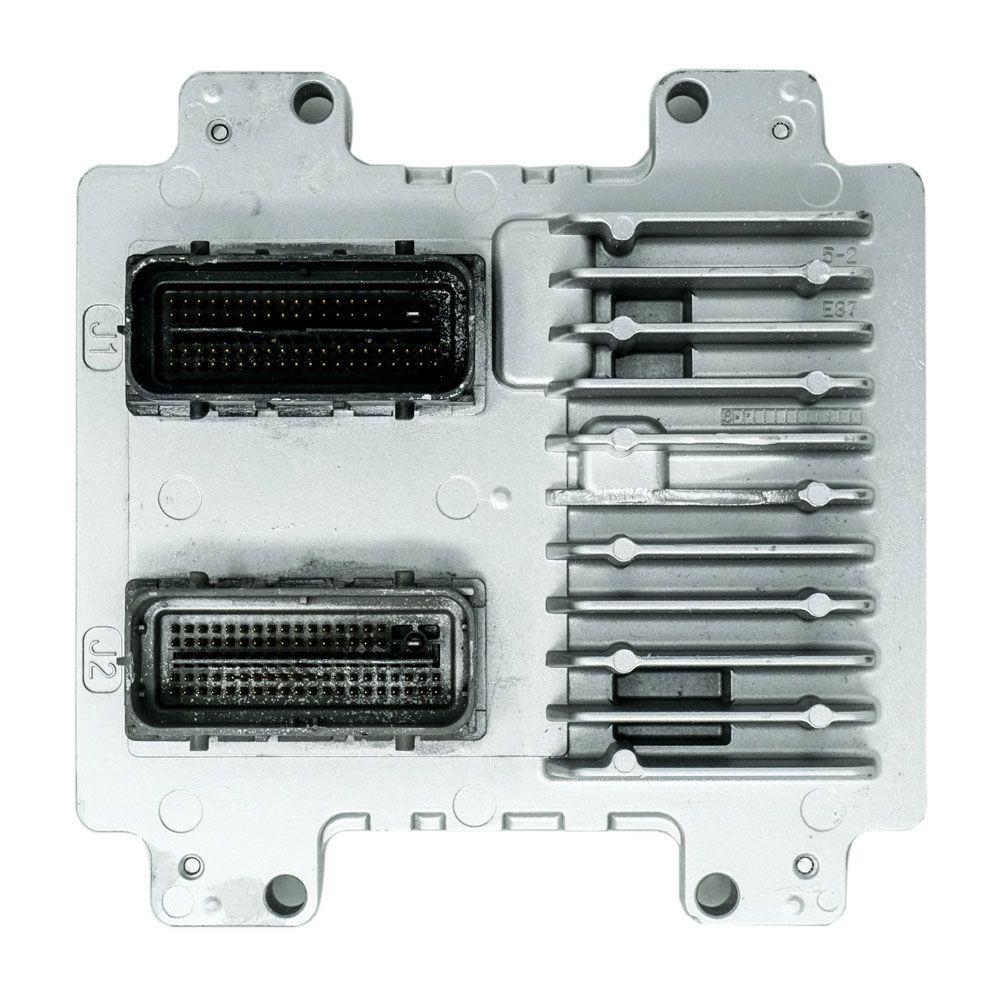
Flagship One stocks a refurbished, VIN-programmed PCM for the 2009 Chevrolet Malibu with a lifetime warranty, free shipping and no core charge. The full Chevrolet Malibu module lineup covers other engine configurations as well.
The Engine Control Module plays a vital role in keeping your 2009 Chevrolet Malibu running smoothly, and addressing issues promptly can prevent more serious problems down the road. Whether you’re dealing with a no-start condition, stalling, or internal trouble codes, understanding the ECM’s function and replacement process helps you make informed decisions. If replacement is necessary, opting for a VIN-programmed unit can simplify the process and get your Malibu back on the road faster. Regular maintenance and attention to electrical system health can also extend the life of your ECM, ensuring reliable performance for years to come.