
Last updated on August 25th, 2026 at 02:27 pm
In the 2003 Chevrolet Silverado the Powertrain Control Module (PCM) serves as the central computer that monitors engine and transmission inputs, controls fuel delivery, ignition timing, and shift strategy. When the PCM fails, the engine may not start, stall unexpectedly, or produce a range of diagnostic codes that prevent normal operation.
When a 2003 Chevrolet Silverado begins to exhibit intermittent stalling, loss of power, or a complete no‑start condition, the Powertrain Control Module often emerges as a likely suspect. This guide explains what the PCM does in this specific truck, where it is located, how long a professional repair normally takes, and what factory procedures must follow a replacement. By understanding these steps you can gauge the complexity of the job, anticipate the time needed in a shop, and recognize why a properly programmed unit matters for engine‑oil‑life tracking and overall drivability.
The Powertrain Control Module in a 2003 Chevrolet Silverado acts as the brain that continuously reads sensor data from the engine and transmission, then commands actuators to manage fuel injection, spark timing, and gear shifts. It also stores fault codes that help technicians diagnose problems. Because the PCM directly influences emissions, performance, and fuel economy, a malfunction can quickly degrade drivability. The module’s software integrates with the vehicle’s communication network, making reliable data exchange essential for safe operation. For a replacement you may need to source replacement engine computers for the Silverado that match the vehicle’s specifications and programming requirements.
The PCM is mounted within the engine compartment, typically attached to the firewall near the intake manifold. Access generally involves disconnecting the battery, removing a few fasteners, and unplugging the connector harness. According to the factory labor guide, removing and reinstalling the module on any Silverado model—including the 2003 4.3L version—requires about 1.4 hours of work. Once the old unit is out, the new PCM is positioned in the same bracket, torqued to the specified value if noted, and the electrical connector is reattached before reconnecting the battery.
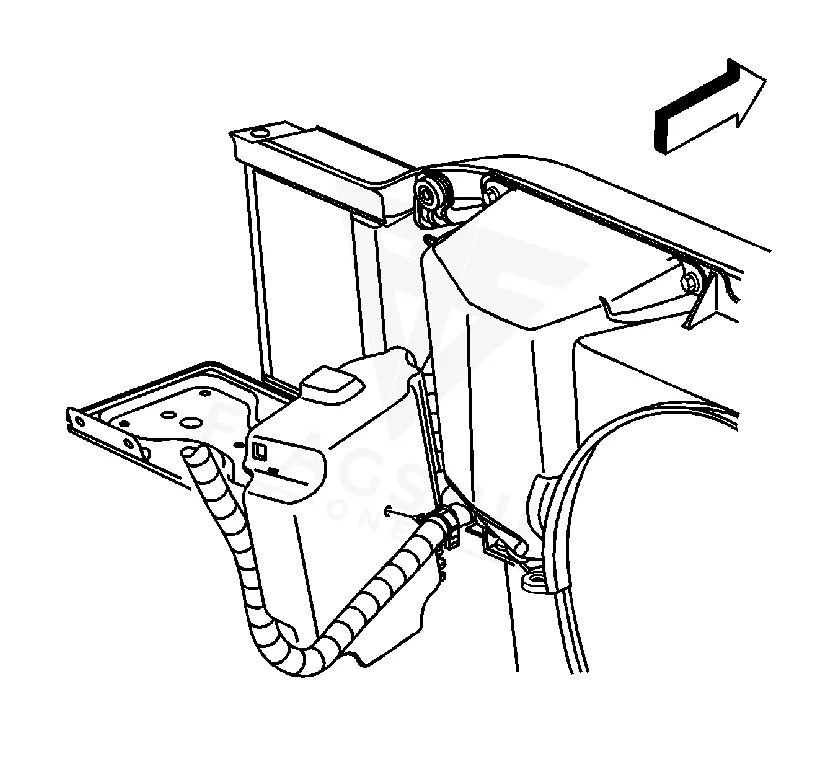
Work with the ignition off, and treat the module as static-sensitive: avoid touching the connector pins at any point.
| Operation | Configuration | Book Time |
|---|---|---|
| Powertrain Control Module R&R | Silverado 1500 | 1.4 hr |
| Powertrain Control Module R&R | Silverado 1500 HD | 1.4 hr |
| Powertrain Control Module R&R | Silverado 2500 | 1.4 hr |
| Powertrain Control Module R&R | Silverado 2500 HD | 1.4 hr |
| Powertrain Control Module R&R | Silverado 3500 | 1.4 hr |
| Powertrain Control Module Relearn | Silverado 1500 | 0.5 hr |
| Powertrain Control Module Relearn | Silverado 1500 HD | 0.5 hr |
| Powertrain Control Module Relearn | Silverado 2500 | 0.5 hr |
2003 Chevrolet Silverado
OEM programmed ECM for your 2003 Chevrolet Silverado — plug & play, no dealer visit.
Free shipping · Lifetime warranty
After the physical swap, the factory procedure calls for a PCM relearn operation that lasts roughly 0.5 hours for the 2003 Silverado. This step updates the new unit’s internal tables so it can synchronize with the engine’s sensors and transmission controls. Flagship One provides a VIN‑programmed replacement unit that arrives already loaded with the correct calibration data, eliminating the need for a separate relearn in most cases. Technicians still verify the installation and clear any residual codes, but the extensive programming work is already completed.
Typical signs of a failing PCM in a 2003 Chevrolet Silverado include a complete lack of crank or spark, intermittent stalling while driving, rough idle, and transmission shift delays. The engine may also trigger a variety of diagnostic trouble codes, such as processor communication error, which indicates internal communication problems within the control module. In some cases the scan tool will lose communication entirely, suggesting the PCM is no longer responding to the vehicle’s data bus. These symptoms often appear together, making the PCM a common culprit when multiple systems act up simultaneously.
The following internal trouble codes are documented for the 2003 Chevrolet Silverado PCM and may appear during diagnosis:
In most cases the PCM is a sealed unit, and repair is not practical. Replacement with a new or refurbished module is the standard approach.
Factory labor times list 1.4 hours for removal and installation, plus an additional 0.5 hours for the required relearn procedure.
If the replacement is not pre‑programmed with the remaining oil life, the system will default to 100 % oil life, which may affect maintenance reminders.
Yes, connecting add‑on equipment directly to the vehicle’s electrical system can introduce voltage irregularities that may cause PCM malfunctions.
A VIN‑programmed unit ensures the correct calibration data is present, eliminating the need for a separate relearn step and reducing the risk of installation errors.
When the PCM in your 2003 Chevrolet Silverado needs attention, you can choose a brand‑new factory‑spec unit or a refurbished replacement that meets the same performance standards. Both options address the core issue, but a refurbished part often arrives pre‑programmed, saving the extra relearn time. Evaluate the condition of your truck, the availability of parts, and your service schedule to decide which path best fits your needs.
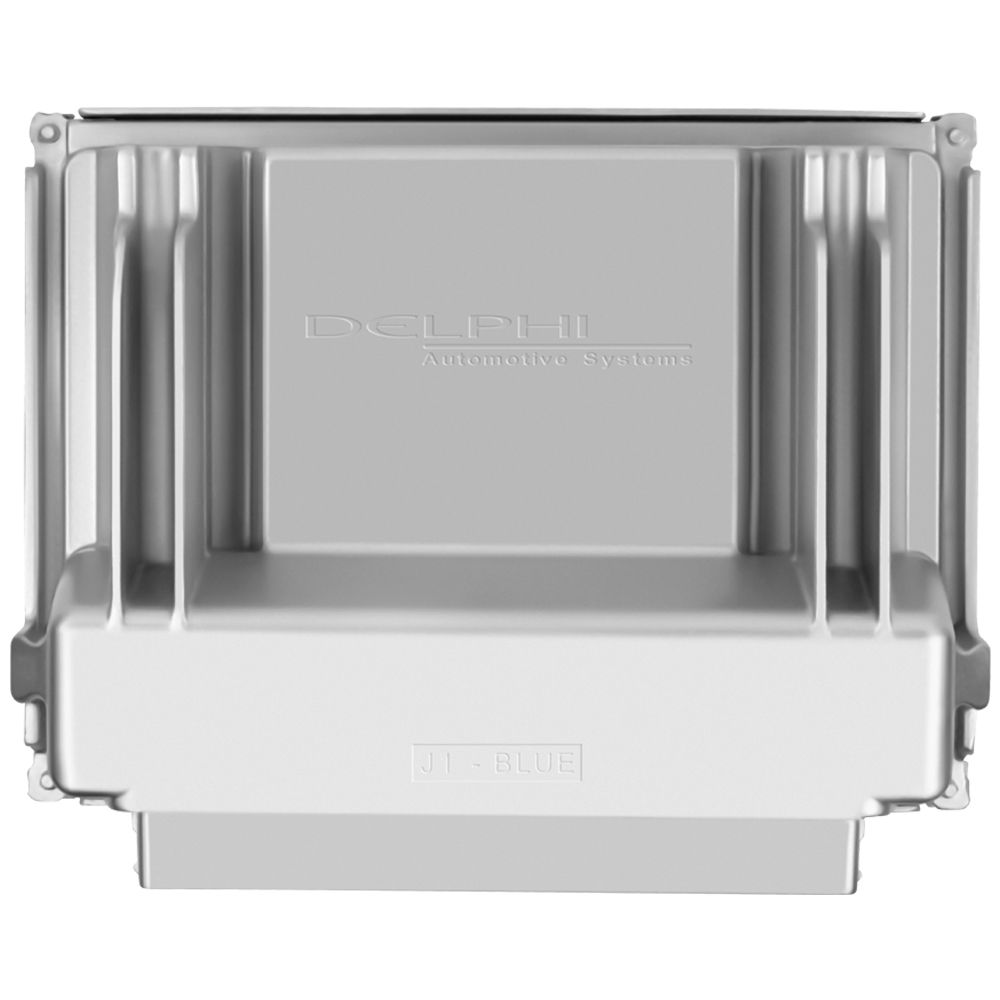
Flagship One stocks a refurbished, VIN-programmed PCM for the 2003 Chevrolet Silverado with a lifetime warranty, free shipping and no core charge. The full Chevrolet Silverado module lineup covers other engine configurations as well.
A faulty PCM can severely limit the drivability of a 2003 Chevrolet Silverado, but understanding the module’s role, the labor involved, and the post‑install requirements helps you make an informed repair decision. Consider a VIN‑programmed replacement to streamline the process and keep your truck running smoothly.