
Last updated on August 25th, 2026 at 02:18 pm
In the 1998 Chevrolet Camaro the Powertrain Control Module manages engine timing, fuel delivery, and transmission shift strategy. When the PCM fails, the vehicle may lose power, stall, or trigger communication errors, and the engine control system will store diagnostic codes indicating internal processor faults.
You may have noticed that your 1998 Chevrolet Camaro refuses to start, stalls during acceleration, or shows a variety of diagnostic trouble codes on the scan tool. Those symptoms frequently point to the Powertrain Control Module, the computer that directs engine and transmission functions. Understanding how the PCM works, what the factory recommends for removal and replacement, and the post‑install procedures can help you decide whether to repair the original unit or install a refurbished replacement. This guide walks you through the module’s role, the steps required to swap it out, the programming that follows, and practical tips to keep the new unit reliable.
The Powertrain Control Module in the 1998 Chevrolet Camaro acts as the brain for both engine and transmission, interpreting sensor data to control fuel injection, ignition timing, and shift points. It also monitors internal health and stores fault codes when parameters fall outside acceptable ranges. Because the Camaro relies on precise timing for performance and emissions, a malfunctioning PCM can cause loss of power, rough idle, or transmission shift anomalies. Proper operation is essential for meeting fuel‑economy standards and delivering the expected driving experience. The module communicates with numerous sensors and actuators across the vehicle, and any disruption in that network can trigger a cascade of errors. For owners seeking a direct swap, Camaro replacement engine computers provide a drop‑in solution that matches the original specifications.
1998 Chevrolet Camaro
OEM programmed ECM for your 1998 Chevrolet Camaro — plug & play, no dealer visit.
Free shipping · Lifetime warranty
The PCM is mounted in the engine compartment, typically secured to the firewall with a bracket and electrical connectors. Removal begins by disconnecting the battery to satisfy the factory caution about electrostatic discharge. After the battery is isolated, the wiring harness plugs are pulled, and the mounting bolts are loosened. The book time for removing and reinstalling the Engine Control Module is recorded as 0.9 hours, while the Powertrain Control Module shares the same 0.9‑hour labor estimate. Once the old unit is out, the replacement is positioned, bolts torqued to factory specifications, and the connectors re‑attached. The final step is to reconnect the battery, which prepares the vehicle for the required relearn procedures.
| Operation | Configuration | Book Time |
|---|---|---|
| Engine Control Module R&R | All configurations | 0.9 hr |
| Engine Control Module Relearn | All configurations | 0.5 hr |
| Powertrain Control Module R&R | All configurations | 0.9 hr |
| Powertrain Control Module Relearn | All configurations | 0.5 hr |
After the PCM is physically installed, the factory service procedure calls for a relearn of the module to synchronize it with the vehicle’s sensors and transmission. The documented labor for this step is 0.5 hours for the PCM and an additional 0.5 hours for the Powertrain Control Module. Flagship One units arrive already calibrated to the vehicle’s VIN, so a VIN-programmed replacement unit eliminates the need for those relearn actions, allowing you to move directly to final testing.
When the PCM in a 1998 Chevrolet Camaro begins to fail, owners often experience a complete loss of engine power, intermittent stalling, or an inability to shift smoothly. Diagnostic scans may reveal internal processor errors such as processor clock fault, which indicate the module’s internal timing circuits are compromised. Other common signs include erratic idle, misfire detections, and a lack of communication with the scan tool. In some cases, the A/C compressor may overspeed during aggressive acceleration, a condition linked to the PCM’s control logic. These symptoms typically appear before a complete shutdown, giving you a window to address the issue before further damage occurs.
The following diagnostic trouble codes are specific to the Powertrain Control Module in the 1998 Chevrolet Camaro and may appear when the unit is malfunctioning:
| Code | Meaning | Full Guide |
|---|---|---|
| P0601 | Internal memory checksum error | Full P0601 guide → |
| P0602 | Control module programming error | Full P0602 guide → |
| P0604 | Internal RAM error | Full P0604 guide → |
| P0608 | Module-internal fault | Full P0608 guide → |
| P0650 | Module-internal fault | Full P0650 guide → |
| P0654 | Module-internal fault | Full P0654 guide → |
| P0656 | Module-internal fault | Full P0656 guide → |
| P1626 | Module-internal fault | — |
| P1635 | Module-internal fault | — |
| P1639 | Module-internal fault | — |
Service Bulletin #99-01-38-001 advises reprogramming the PCM to resolve A/C compressor failures that occur during aggressive engine acceleration (May 28, 1999). Bulletin #99-06-04-053 provides general PCM reprogramming guidance (Oct 26, 1999). Both documents recommend updating the module software to address known issues.
| Bulletin | Subject | What It Addresses |
|---|---|---|
| 99-06-04-053 | Info – PCM Reprogramming – (Oct 26, 1999) | — |
| 99-01-38-001 | Tech – A/C Comp Failure During Aggressive Eng Accel (Reprogram PCM) – (May 28, 1999) | Some customers may comment on an A/C compressor failure during aggressive engine accelerations, due to compressor |
The factory book time lists 0.9 hours for removal and installation of the PCM, plus an additional 0.5 hours for the required relearn procedure.
Flagship One refurbished units are VIN‑programmed, so the post‑install relearn steps are already completed, eliminating the need for extra programming.
P0601 indicates a processor clock fault. Verify the replacement unit is correctly seated, check the battery voltage, and ensure all connector pins are clean before reinstalling.
Yes, the factory caution advises connecting any add‑on equipment at the battery terminals to reduce the chance of powertrain system malfunctions.
Standard socket and torque tools are sufficient; the primary requirement is to disconnect the battery and follow the documented bolt torque values.
When the PCM in your 1998 Chevrolet Camaro needs attention, you can choose between repairing the original unit or installing a refurbished replacement. Both options restore the vehicle’s control functions, but a Flagship One replacement arrives pre‑programmed to match your VIN, simplifying the post‑install process. Evaluate the condition of your current module and decide which path aligns with your repair goals.
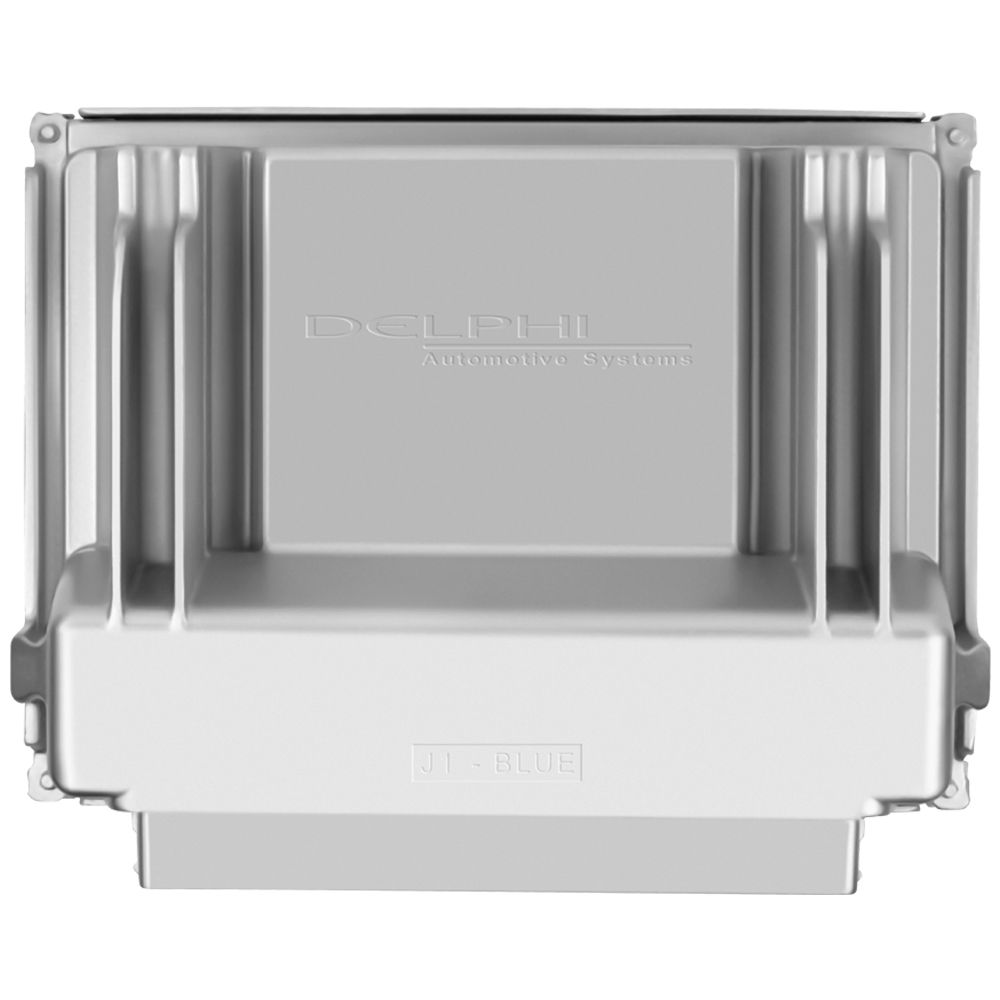
Flagship One stocks a refurbished, VIN-programmed PCM for the 1998 Chevrolet Camaro with a lifetime warranty, free shipping and no core charge. The full Chevrolet Camaro module lineup covers other engine configurations as well.
The 1998 Chevrolet Camaro relies on a functional PCM to deliver reliable performance. Whether you repair the existing unit or opt for a pre‑programmed replacement, addressing the issue promptly will keep your vehicle running smoothly. Contact a qualified technician to assess the best solution for your Camaro.