
Last updated on August 25th, 2026 at 02:30 pm
The Powertrain Control Module (PCM) in the 1996 Chevrolet Camaro 3.8L is the central computer that manages engine and transmission functions. It controls fuel injection, ignition timing, emissions, and shift points. Failure of this module can cause no-start, stalling, poor performance, and trigger internal fault codes like P0601.
If you own a 1996 Chevrolet Camaro with the 3.8L V6 engine, you may eventually face a failing Powertrain Control Module (PCM) or Engine Control Module (ECM). These terms are often used interchangeably for this vehicle, as the PCM controls both engine and transmission. The module is a sophisticated computer that processes sensor inputs and sends commands to actuators to keep the engine running smoothly. When it fails, the car may not start, run poorly, or trigger warning lights. This guide will help you understand what the PCM does, where it is located, how replacement is performed, and what factory procedures are required afterward. You will also learn about common failure symptoms, relevant service bulletins, and how to protect the module from damage. The goal is to provide clear, factual information so you can make an informed decision about repairing or replacing the PCM in your 1996 Camaro.
1996 Chevrolet Camaro 3.8L
OEM programmed ECM for your 1996 Chevrolet Camaro 3.8L — plug & play, no dealer visit.
Free shipping · Lifetime warranty
The Powertrain Control Module (PCM) in the 1996 Chevrolet Camaro 3.8L is the primary electronic control unit that oversees engine and transmission operation. It receives data from sensors such as the oxygen sensor, throttle position sensor, crankshaft position sensor, and mass airflow sensor. Using this information, the PCM adjusts fuel injector pulse width, ignition timing, idle speed, and transmission shift patterns to optimize performance, fuel economy, and emissions. The module also performs self-diagnostics and stores trouble codes when it detects a malfunction. Because the PCM handles so many critical functions, a failure can render the vehicle undrivable. The module is designed to operate with low-voltage signals, making it sensitive to electrostatic discharge and electrical surges. For owners seeking replacement PCMs for the 1996 Camaro, understanding the module’s role is essential for diagnosing issues and choosing the right repair path. The PCM is not user-serviceable; internal faults typically require replacement of the entire unit.
The PCM in the 1996 Chevrolet Camaro 3.8L is located under the hood, mounted on the driver’s side near the firewall, often behind the strut tower. Access requires removing the air cleaner assembly and possibly the battery tray for clearance. According to factory labor times, removing and replacing the module takes 1.1 hours. After installation, a relearn procedure is required, which adds 0.5 hours. The process involves disconnecting the battery, unbolting the module, and carefully disconnecting the wiring harness connectors. Factory cautions emphasize not touching connector pins or circuit board components to avoid electrostatic discharge damage. The module is secured with bolts; no torque specification is provided in the available data. Once the new PCM is installed, the battery is reconnected, and the relearn procedure is performed to allow the module to adapt to the vehicle’s specific sensors and actuators.
| Operation | Configuration | Book Time |
|---|---|---|
| Engine Control Module R&R | All configurations | 1.1 hr |
| Engine Control Module Relearn | All configurations | 0.5 hr |
| Powertrain Control Module R&R | All configurations | 1.1 hr |
| Powertrain Control Module Relearn | All configurations | 0.5 hr |
After replacing the PCM in the 1996 Chevrolet Camaro 3.8L, the factory procedure requires a relearn process that takes 0.5 hours. This step allows the module to synchronize with the engine’s sensors and establish proper idle and fuel trim values. Additionally, service bulletin #99-06-04-053 indicates that PCM reprogramming may be necessary for certain updates. However, when you purchase a VIN-programmed replacement PCM from Flagship One, the unit arrives already programmed with your vehicle’s VIN and calibration data. This means the relearn and any required reprogramming are already completed, so you can install the module and start the engine without additional dealer visits. The module is ready to communicate with your Camaro’s systems immediately, saving time and ensuring correct operation.
A failing PCM in the 1996 Chevrolet Camaro 3.8L can produce a variety of symptoms. The engine may crank but not start, or it may start and then stall shortly after. You might experience intermittent misfires, rough idle, or hesitation during acceleration. The transmission may shift erratically or fail to shift at all. The check engine light may illuminate, and a scan tool may fail to communicate with the module. One specific internal fault documented for this vehicle is internal PCM fault code P0601, which indicates a problem within the PCM’s internal circuitry. Other symptoms include poor fuel economy, surging, or the engine running in a limp-home mode with reduced power. Electrical issues such as blown fuses or dead battery drains can also be linked to a failing PCM. If you notice any of these signs, diagnosing the module with a professional scan tool is recommended before replacing parts.
The following module-internal trouble code is documented for the 1996 Chevrolet Camaro 3.8L. This code is stored when the PCM detects an internal fault and may require module replacement.
| Code | Meaning | Full Guide |
|---|---|---|
| P0601 | Internal memory checksum error | Full P0601 guide → |
Two factory service bulletins are relevant to the PCM in the 1996 Chevrolet Camaro 3.8L. Bulletin #99-06-04-053, dated October 26, 1999, provides information on PCM reprogramming. This bulletin likely addresses calibration updates to improve driveability or emissions. Bulletin #83-81-32, dated September 16, 1998, introduces new PCM connector service kits. These kits may be used to repair damaged connectors without replacing the entire module. Both bulletins are informational and do not mandate a recall, but they offer guidance for technicians when servicing the PCM.
| Bulletin | Subject | What It Addresses |
|---|---|---|
| 99-06-04-053 | Info – PCM Reprogramming – (Oct 26, 1999) | — |
| 83-81-32 | INFO – NEW PCM CONNECTOR SERVICE KITS – (Sep 16, 1998) | — |
When your 1996 Chevrolet Camaro 3.8L needs a new PCM, you have options: repair the existing module (if possible) or replace it with a refurbished unit. Given the complexity and low-voltage design, replacement is often the more reliable choice. Flagship One offers refurbished PCMs that are VIN-programmed and ready to install, saving you the time and cost of dealer programming.
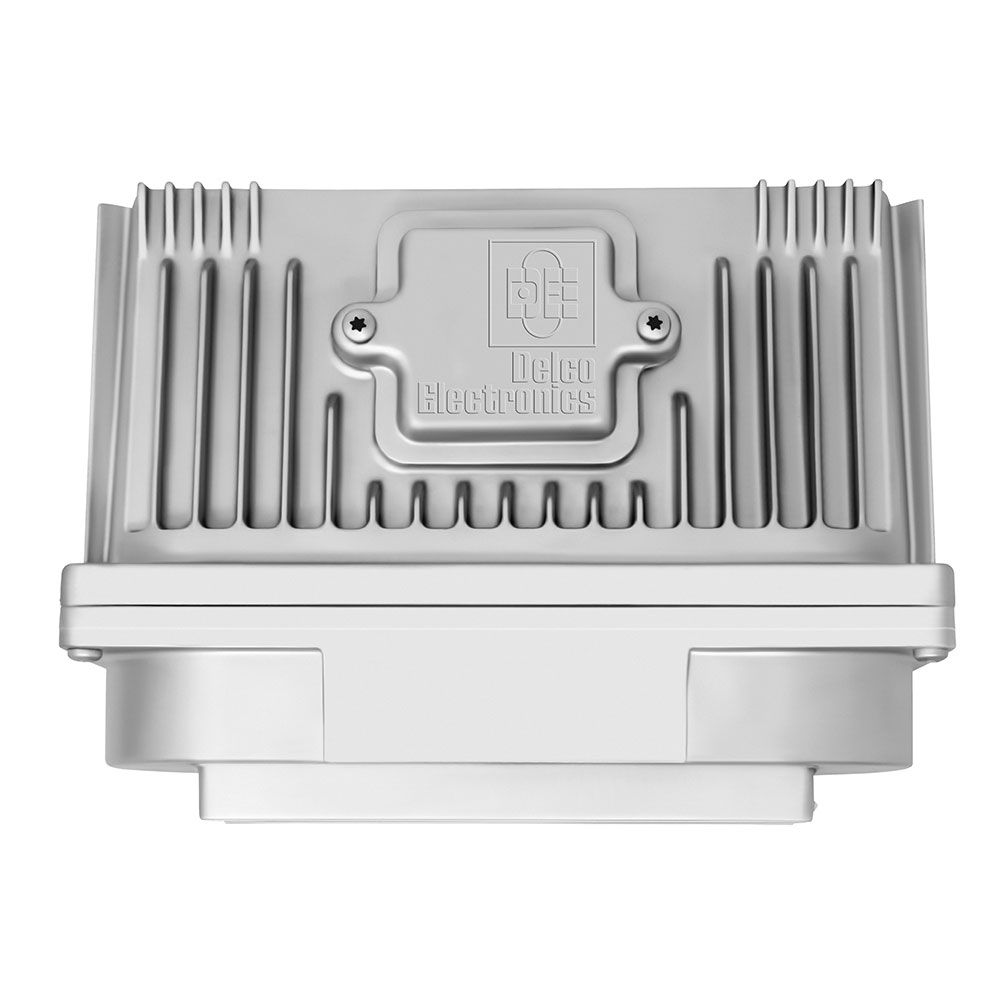
Flagship One stocks a refurbished, VIN-programmed PCM for the 1996 Chevrolet Camaro with a lifetime warranty, free shipping and no core charge. The full Chevrolet Camaro module lineup covers other engine configurations as well.
The PCM in your 1996 Chevrolet Camaro 3.8L is a vital component that controls engine and transmission operation. Understanding its function, symptoms of failure, and replacement requirements helps you keep your Camaro running reliably. If you need a replacement, consider a VIN-programmed unit from Flagship One for a straightforward installation.