
Last updated on August 25th, 2026 at 02:30 pm
The Powertrain Control Module (PCM) in your 1997 Chevrolet Camaro manages engine and transmission functions. Failures may cause drivability issues like stalling, misfires, or communication errors with diagnostic tools.
If your 1997 Chevrolet Camaro is experiencing unexplained stalling, rough idling, or a no-start condition, the Powertrain Control Module (PCM) may be at fault. This critical component oversees engine and transmission performance, and its failure can disrupt multiple systems. Understanding the role of the PCM, where it’s located, and what replacement involves helps you make informed decisions. You’ll also learn how to recognize failure symptoms early and avoid common pitfalls that could damage the module during installation or daily use.
The PCM in your 1997 Chevrolet Camaro acts as the brain of the powertrain, coordinating fuel delivery, ignition timing, and transmission shifts. It processes data from sensors to optimize performance and emissions. A malfunctioning PCM may lead to poor drivability, reduced fuel economy, or even prevent the engine from starting. When replacement becomes necessary, replacement engine computers for the Camaro are designed to restore proper function without requiring extensive modifications. The module’s role is critical, as it ensures smooth operation across varying driving conditions.
1997 Chevrolet Camaro
OEM programmed ECM for your 1997 Chevrolet Camaro — plug & play, no dealer visit.
Free shipping · Lifetime warranty
In the 1997 Chevrolet Camaro, the PCM is typically mounted in the engine compartment, though access may require removing a few components for clearance. Replacing the module involves disconnecting the battery, unplugging the wiring harness, and removing the mounting bolts. Labor time for removal and reinstallation is generally 1.1 hours, according to factory guidelines. After installation, a 0.5-hour relearn procedure is required to synchronize the new PCM with the vehicle’s systems. Proper handling is essential to avoid electrostatic discharge, which could damage sensitive internal components.
| Operation | Configuration | Book Time |
|---|---|---|
| Engine Control Module R&R | All configurations | 1.1 hr |
| Engine Control Module Relearn | All configurations | 0.5 hr |
| Powertrain Control Module R&R | All configurations | 1.1 hr |
| Powertrain Control Module Relearn | All configurations | 0.5 hr |
After installing a new PCM in your 1997 Chevrolet Camaro, the factory requires a relearn procedure to ensure proper communication with the vehicle’s systems. This process typically takes 0.5 hours and involves resetting adaptive values. However, a VIN-programmed replacement unit from Flagship One arrives pre-configured for your vehicle, eliminating the need for additional programming. This saves time and reduces the risk of errors during the setup process, allowing you to restore functionality quickly and reliably.
A failing PCM in your 1997 Chevrolet Camaro may cause a range of symptoms, including intermittent stalling, rough idling, or a complete no-start condition. You might also notice poor acceleration, shifting issues, or the illumination of the check engine light. Diagnostic trouble codes like internal control module memory checksum error may appear, indicating a fault within the module itself. In some cases, the vehicle may enter a limp-home mode, limiting performance to prevent further damage. Addressing these symptoms promptly can help avoid more extensive repairs down the line.
The 1997 Chevrolet Camaro’s PCM may store specific trouble codes when internal faults occur. These codes help diagnose issues related to the module’s memory, communication, or adaptive functions. Reviewing the stored codes can provide insight into whether the PCM is the root cause of drivability problems.
| Code | Meaning | Full Guide |
|---|---|---|
| P0601 | Internal memory checksum error | Full P0601 guide → |
| P0602 | Control module programming error | Full P0602 guide → |
| P1626 | Module-internal fault | — |
| P1629 | Module-internal fault | — |
| P1635 | Module-internal fault | — |
| P1639 | Module-internal fault | — |
| P1641 | Module-internal fault | — |
| P1651 | Module-internal fault | — |
| P1652 | Module-internal fault | — |
| P1654 | Module-internal fault | — |
| P1655 | Module-internal fault | — |
| P1662 | Module-internal fault | — |
Factory service bulletin #99-06-04-053 addresses PCM reprogramming for the 1997 Chevrolet Camaro. This bulletin provides guidance on updating the module’s software to resolve potential drivability or communication issues. Following the procedures outlined in the bulletin may help restore proper function without requiring a full replacement, depending on the nature of the problem.
| Bulletin | Subject | What It Addresses |
|---|---|---|
| 99-06-04-053 | Info – PCM Reprogramming – (Oct 26, 1999) | — |
Common signs include stalling, rough idling, or a no-start condition. The check engine light may illuminate, and diagnostic trouble codes like P0601 or P1626 could be stored. A scan tool can help confirm whether the PCM is the source of the issue.
Replacement is possible if you’re comfortable with basic automotive electrical work. However, the module must be programmed to your vehicle’s VIN, and a relearn procedure is required afterward. Professional installation ensures proper handling and setup.
Failures may result from voltage spikes, moisture intrusion, or internal component degradation over time. Poor electrical connections or improper handling during installation can also contribute to premature failure.
If your 1997 Chevrolet Camaro is experiencing PCM-related issues, you have options for repair or replacement. While reprogramming may resolve some software-related faults, a faulty module often requires replacement. A pre-programmed unit ensures compatibility and reduces downtime, allowing you to get back on the road with minimal hassle.
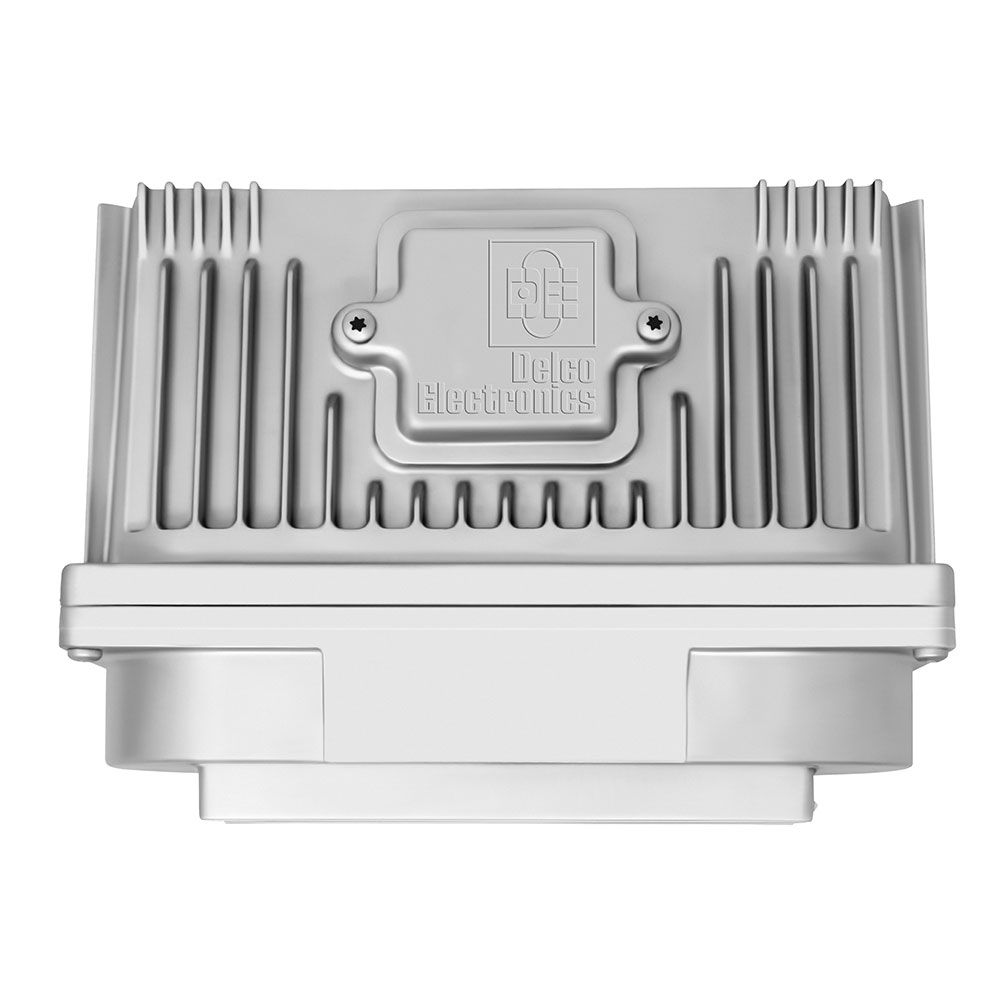
Flagship One stocks a refurbished, VIN-programmed PCM for the 1997 Chevrolet Camaro with a lifetime warranty, free shipping and no core charge. The full Chevrolet Camaro module lineup covers other engine configurations as well.
The PCM in your 1997 Chevrolet Camaro plays a vital role in maintaining smooth engine and transmission operation. Recognizing failure symptoms early and understanding the replacement process can help you address issues efficiently. Whether you opt for a repair or a pre-programmed replacement, ensuring proper installation and handling will keep your vehicle running reliably.