
Last updated on August 25th, 2026 at 02:31 pm
In the 1995 Chevrolet Camaro, the Powertrain Control Module (PCM) manages engine timing, fuel delivery, and transmission shift strategy. Failure of this computer often results in loss of engine control, erratic shifting, or a complete no‑start condition, and it requires both mechanical removal and electronic reprogramming to restore operation.
When a 1995 Chevrolet Camaro experiences power‑train glitches such as a no‑start condition, rough idle, or unexpected shifting, the PCM is often a suspect. Understanding how this module functions, where it lives, and what the factory expects after a swap can help you avoid costly missteps. This guide walks you through the location of the PCM, the labor involved in removing and reinstalling it, the programming requirements, and the safety cautions that protect both the component and your vehicle. By the end, you will know what to expect from a professional repair shop or a qualified DIY effort, and you will see how a Flagship One VIN‑programmed unit can simplify the post‑install steps.
The Powertrain Control Module in the 1995 Chevrolet Camaro serves as the central brain for both engine and transmission operations. It receives input from a network of sensors, calculates the optimal fuel injection, ignition timing, and shift points, and then commands the actuators that keep the vehicle running smoothly. Because the Camaro’s engine control strategy is tightly integrated with its 3.8L V6, any fault in the PCM can cause the engine to stall, refuse to start, or shift erratically, leading to a diagnostic trouble code. Proper function is essential for emissions compliance and overall drivability. When a replacement is needed, you may consider 1995 Chevrolet Camaro PCM replacements that match the original specifications and are ready for programming.
1995 Chevrolet Camaro
OEM programmed ECM for your 1995 Chevrolet Camaro — plug & play, no dealer visit.
Free shipping · Lifetime warranty
The PCM sits in the engine compartment, positioned just ahead of the right‑hand shock tower. Access requires disconnecting the negative battery cable, removing the module’s fuse, and unplugging the electrical connector while the ignition switch remains OFF, as mandated by factory caution. Removal and installation together are rated at 1.1 hours of labor, with an additional 0.5 hours for the relearn procedure after the new unit is in place. Technicians should avoid touching connector pins or soldered components to prevent electrostatic discharge, and any added electrical accessories should be wired at the battery to reduce the risk of power‑train interference.
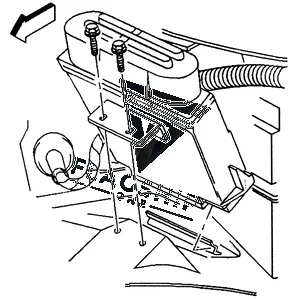
Work with the ignition off, and treat the module as static-sensitive: avoid touching the connector pins at any point.
| Operation | Configuration | Book Time |
|---|---|---|
| Engine Control Module R&R | All configurations | 1.1 hr |
| Engine Control Module Relearn | All configurations | 0.5 hr |
| Powertrain Control Module R&R | All configurations | 1.1 hr |
| Powertrain Control Module Relearn | All configurations | 0.5 hr |
After the PCM is installed, the factory procedure calls for a full programming step before the vehicle can operate. This programming must be performed by a dealer or qualified repair shop using the appropriate tools. A Flagship One unit arrives as a VIN‑programmed replacement unit that already contains the necessary calibration data, eliminating the need for an additional on‑site programming session and ensuring the Camaro is ready to run once the relearn cycle is completed.
A failing PCM in a 1995 Chevrolet Camaro often reveals itself through a no‑start condition, intermittent stalling, or erratic transmission shifting. Drivers may also notice a loss of power, rough idle, or a sudden loss of communication with scan tools. When the internal diagnostic system detects a fault, it may set the code PCM internal processor malfunction which points directly to a processor issue inside the module. Prompt attention to these signs can prevent further drivability problems and avoid being stranded.
The following internal diagnostic code is commonly logged when the PCM encounters a processing error in this vehicle:
| Code | Meaning | Full Guide |
|---|---|---|
| P0601 | Internal memory checksum error | Full P0601 guide → |
The standard book time for removing and installing the PCM is about 1.1 hours, with an additional 0.5 hours required for the relearn procedure.
Factory guidance states that the ignition must remain off to prevent possible permanent damage to the module when power is removed or restored.
The PCM must be programmed before the vehicle will run, and the factory recommends having a dealer or qualified shop perform this step using the proper equipment.
P0601 signals an internal processor malfunction within the PCM, which typically requires replacement of the module.
Flagship One units arrive VIN‑programmed, so the factory‑required programming step is already completed, simplifying the installation process.
When the PCM in your 1995 Chevrolet Camaro needs attention, you can choose a brand‑new factory‑spec unit or a refurbished replacement that meets the same standards. Both options require the same removal and relearn steps, but a VIN‑programmed replacement from Flagship One removes the need for an extra programming visit, saving time and reducing shop labor.
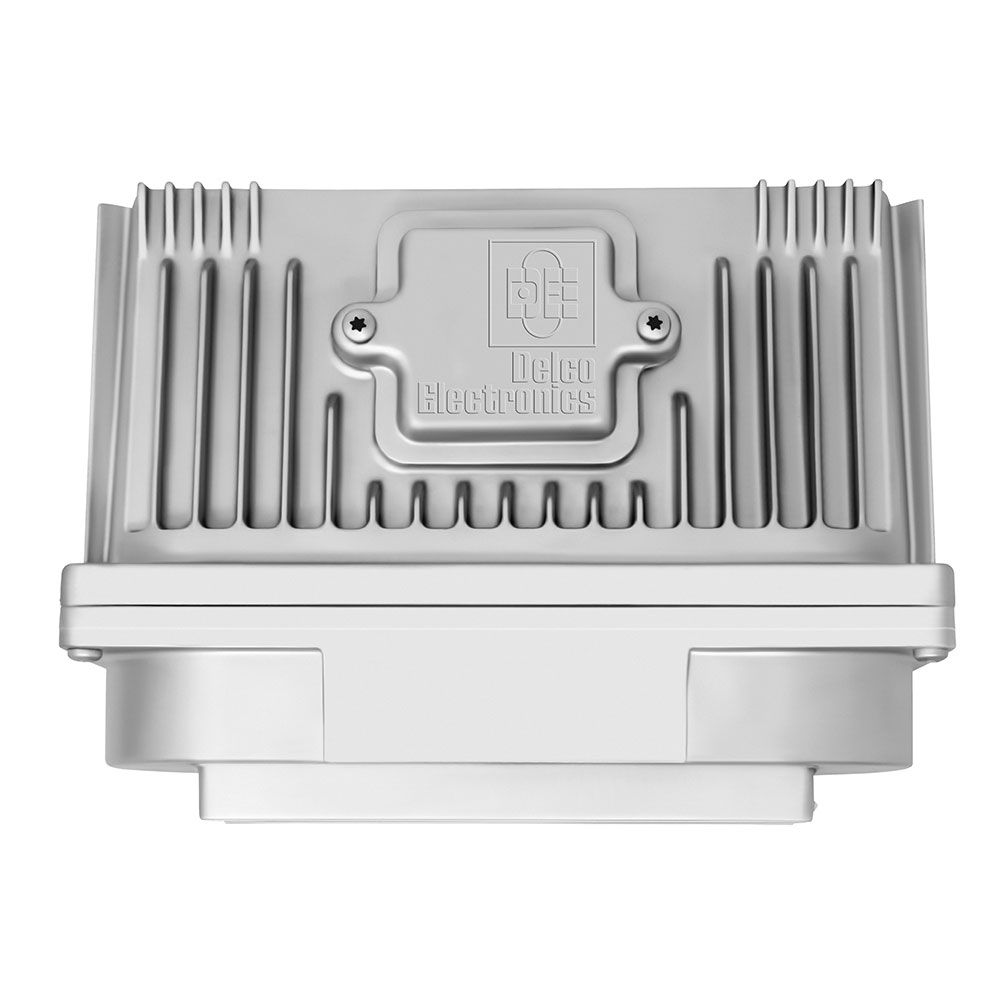
Flagship One stocks a refurbished, VIN-programmed PCM for the 1995 Chevrolet Camaro with a lifetime warranty, free shipping and no core charge. The full Chevrolet Camaro module lineup covers other engine configurations as well.
The Powertrain Control Module is vital to the operation of your 1995 Chevrolet Camaro. Whether you opt for a new or refurbished unit, following the proper safety and programming procedures ensures reliable performance. Consider a Flagship One VIN‑programmed replacement to streamline the process and get back on the road quickly.