
Last updated on August 25th, 2026 at 02:31 pm
In the 1994 Chevrolet Caprice, the Engine Control Module (ECM) and Powertrain Control Module (PCM) act as the vehicle’s brain, interpreting sensor data to manage fuel, spark, and transmission functions. Failure typically results from age‑related corrosion, water intrusion, or internal component wear, leading to loss of engine control or transmission shift errors.
When a 1994 Chevrolet Caprice begins to exhibit sudden loss of power, stalling, or erratic transmission behavior, the underlying cause often points to the vehicle’s control modules. Understanding how the Engine Control Module (ECM) and Powertrain Control Module (PCM) function, what symptoms indicate their failure, and what steps are required for a proper swap can save you time and prevent further complications. This guide walks you through the basics of each module, where they reside, the labor involved in removal and installation, and the post‑install procedures that ensure your Caprice returns to reliable operation.
1994 Chevrolet Caprice
OEM programmed ECM for your 1994 Chevrolet Caprice — plug & play, no dealer visit.
Free shipping · Lifetime warranty
The Engine Control Module in a 1994 Chevrolet Caprice receives input from dozens of sensors—including throttle position, coolant temperature, and crankshaft speed—to calculate the precise amount of fuel and spark needed for each combustion event. It also monitors emissions-related components to keep the engine operating within regulatory limits. The Powertrain Control Module, while similar in function, extends its oversight to the automatic transmission, coordinating shift timing and torque converter lock‑up based on vehicle speed and load. Together, these computers ensure smooth acceleration, optimal fuel economy, and proper gear changes. Because the Caprice predates OBD‑II standards, the modules use proprietary communication protocols, making accurate calibration essential. A reliable replacement often comes from a source that provides replacement engine computers for the 1994 Chevrolet Caprice that match the original specifications, ensuring compatibility with the vehicle’s legacy systems.
Both the ECM and PCM are mounted within the engine compartment, typically secured to the firewall or a nearby bracket for easy access. Removing the ECM involves disconnecting the primary wiring harness, releasing any retaining bolts, and gently extracting the unit, a process that generally takes about 0.8 hours according to the factory labor guide. The PCM, positioned close to the transmission, follows a similar removal pattern but may require additional clearance due to its larger connector bundle, accounting for the 1.1‑hour labor estimate. Installation reverses these steps, ensuring each connector seats fully and any bolts are torqued to the manufacturer’s specification if noted. After the physical swap, each module requires a relearn cycle—approximately 0.5 hours per unit—to synchronize with the vehicle’s sensors and adapt to the new hardware.
| Operation | Configuration | Book Time |
|---|---|---|
| Engine Control Module R&R | All configurations | 0.8 hr |
| Engine Control Module Relearn | All configurations | 0.5 hr |
| Powertrain Control Module R&R | All configurations | 1.1 hr |
| Powertrain Control Module Relearn | All configurations | 0.5 hr |
Following replacement, the factory service procedure calls for a module relearn to reestablish sensor baselines and calibrate shift strategies. This step is essential for both the ECM and PCM to function correctly in the 1994 Chevrolet Caprice. Flagship One supplies units that arrive already VIN‑programmed, so the a VIN‑programmed replacement unit eliminates the need for field programming and reduces the overall turnaround time for the repair.
A failing ECM or PCM in a 1994 Chevrolet Caprice may reveal itself through intermittent no‑start conditions, rough idle, or random stalling while driving. Transmission‑related issues such as harsh shifting, failure to engage certain gears, or unexpected downshifts can also arise. Diagnostic scans often return communication errors, and in some cases a specific fault may be logged as ECM/PCM internal processor fault, indicating the internal processor is not responding as expected. Other signs include illuminated warning lights, loss of fuel‑trim control, or a complete lack of response from the scan tool, all of which suggest the control module is no longer interpreting sensor data correctly.
When the ECM or PCM in your 1994 Chevrolet Caprice reaches the end of its service life, you can choose between a brand‑new replacement or a fully refurbished unit that meets factory specifications. Both options require the same labor steps and post‑install relearn, but a refurbished part may offer cost savings while still delivering reliable performance for your vehicle.
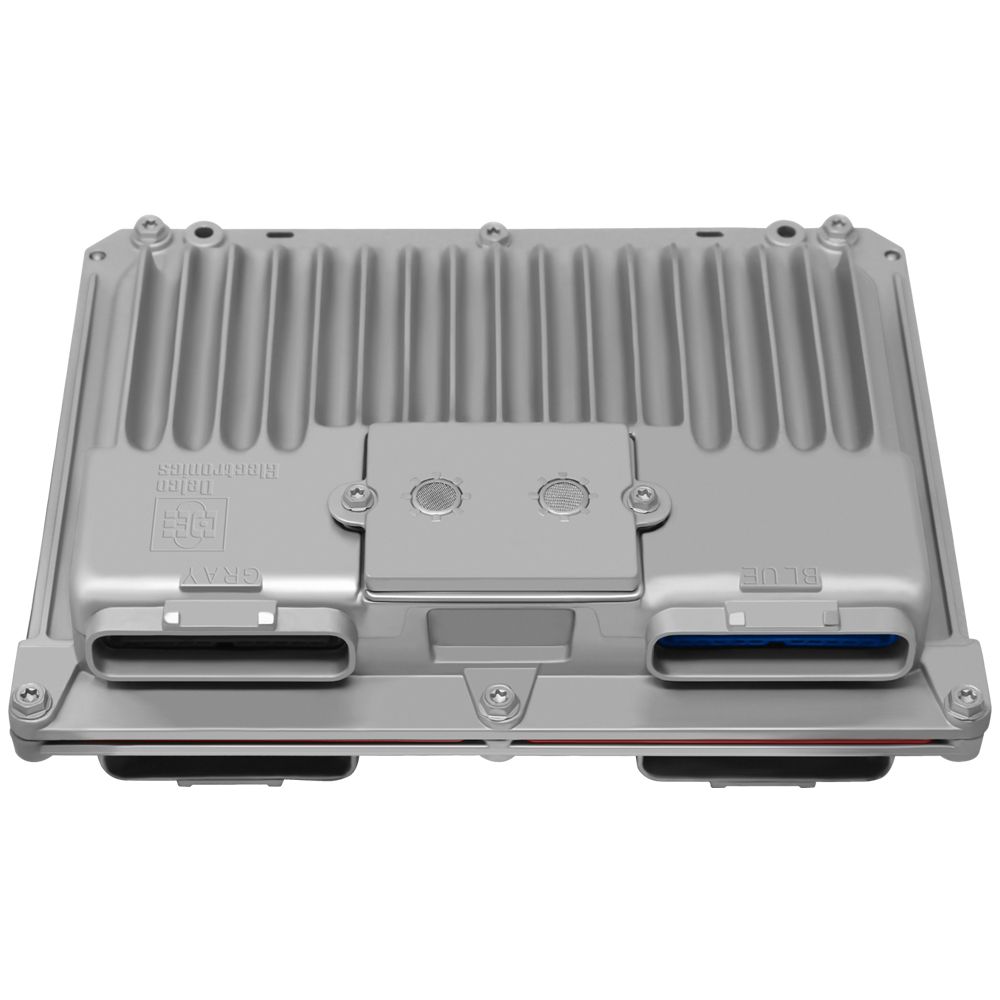
Flagship One stocks a refurbished, VIN-programmed PCM for the 1994 Chevrolet Caprice with a lifetime warranty, free shipping and no core charge. The full Chevrolet Caprice module lineup covers other engine configurations as well.
Replacing the ECM or PCM in a 1994 Chevrolet Caprice can restore proper engine and transmission operation, reducing the risk of unexpected stalls or shift problems. Consider your repair options and ensure the post‑install procedures are completed for a smooth return to the road.