
Last updated on August 25th, 2026 at 02:31 pm
The engine control module (ECM) in your 1995 Chevrolet Caprice manages fuel delivery, ignition timing, and idle stability. Failures may cause hard starts, stalling, or poor drivability without triggering a check engine light.
If your 1995 Chevrolet Caprice is struggling to start, stalling unexpectedly, or running rough, the engine control module (ECM) may be the culprit. Unlike modern vehicles with extensive self-diagnostics, pre-OBD-II models like yours rely on a simpler, yet equally critical, computer to manage fuel and ignition systems. When the ECM fails, symptoms can range from subtle drivability issues to complete engine shutdown. Replacing it involves more than just swapping hardware—proper programming ensures your Caprice runs as intended. Understanding the role of the ECM, where it’s located, and what to expect during replacement can save you time and frustration. Whether you’re diagnosing a no-start condition or preparing for a repair, knowing these details helps you make informed decisions about your vehicle’s health.
1995 Chevrolet Caprice
OEM programmed ECM for your 1995 Chevrolet Caprice — plug & play, no dealer visit.
Free shipping · Lifetime warranty
In your 1995 Chevrolet Caprice, the engine control module (ECM) acts as the brain of the engine, continuously adjusting fuel injection, ignition timing, and idle speed to keep the 4.3L V8 running smoothly. It monitors inputs from sensors like the throttle position, coolant temperature, and oxygen sensors to optimize performance and emissions. Without a functioning ECM, the engine may run too rich or too lean, misfire, or refuse to start altogether. This module is particularly important in pre-OBD-II vehicles, where diagnostic capabilities are limited, making accurate ECM operation essential for reliable drivability. When shopping for a replacement, you’ll find options like replacement engine computers for the Caprice designed to restore factory-level performance. A faulty ECM can lead to poor fuel economy, hesitation under acceleration, or even stalling at stoplights, so addressing issues promptly is key to maintaining your vehicle’s longevity.
The engine control module in your 1995 Chevrolet Caprice is typically mounted inside the passenger compartment, often behind the dashboard or near the glove box. Accessing it requires removing interior panels, which can add some time to the replacement process. According to factory labor guides, removing and reinstalling the ECM takes about 0.7 hours, while replacing the powertrain control module (PCM) may require up to 1.1 hours due to its location or additional connectors. Once the module is exposed, you’ll need to disconnect the wiring harness, remove any mounting bolts, and carefully install the new unit. Torque specifications for mounting hardware should be followed to prevent damage or poor electrical contact. After installation, the module must be properly reconnected to ensure all sensors and actuators communicate correctly with the new ECM.
| Operation | Configuration | Book Time |
|---|---|---|
| Engine Control Module R&R | All configurations | 0.7 hr |
| Engine Control Module Relearn | All configurations | 0.5 hr |
| Powertrain Control Module R&R | All configurations | 1.1 hr |
| Powertrain Control Module Relearn | All configurations | 0.5 hr |
After replacing the engine control module in your 1995 Chevrolet Caprice, the factory procedure requires a relearn process to synchronize the new module with the vehicle’s sensors and actuators. This step, which typically takes about 0.5 hours, ensures the ECM adapts to your specific engine’s characteristics, such as fuel trims and idle settings. Without this relearn, the vehicle may experience rough idle, poor acceleration, or even fail to start. However, opting for a VIN-programmed replacement unit eliminates the need for this additional step, as the module arrives pre-configured to match your Caprice’s original settings. This not only saves time but also reduces the risk of incorrect programming, which can lead to further drivability issues. Always confirm that the replacement unit is compatible with your vehicle’s VIN to avoid compatibility problems.
When the engine control module in your 1995 Chevrolet Caprice begins to fail, you may notice a range of symptoms that can make driving frustrating or even impossible. A common sign is a no-start condition, where the engine cranks but refuses to fire, often due to incorrect fuel or spark timing signals from the ECM. Stalling at idle or during deceleration is another frequent issue, as the module struggles to maintain stable engine speeds. You might also experience erratic shifting if the ECM communicates with the transmission control module, leading to harsh or delayed gear changes. Poor fuel economy or a noticeable drop in power under acceleration can indicate the ECM is no longer optimizing fuel delivery. In some cases, the vehicle may run roughly or misfire, particularly when cold, as the ECM fails to adjust for temperature changes. Dead scan tool communication is another red flag, as the module may no longer respond to diagnostic requests. While these symptoms can overlap with other issues like faulty sensors or wiring problems, persistent drivability issues often point to ECM failure. If you’ve ruled out simpler causes, the module itself may need attention.
Stalling at idle is a common symptom of a failing ECM in the Caprice. The module may struggle to maintain stable idle speeds due to incorrect fuel or spark signals. If the issue persists after checking for vacuum leaks or sensor problems, the ECM itself may need replacement.
Driving with a faulty ECM is risky, as it can lead to sudden stalling, poor acceleration, or even a no-start condition. While the vehicle may run intermittently, continued use can cause further damage to sensors or the fuel system. Replacement is often the safest option.
Sensor issues often trigger specific symptoms, like a rough idle from a faulty throttle position sensor or poor acceleration from a bad oxygen sensor. If multiple sensors seem to fail simultaneously or the vehicle exhibits broad drivability problems, the ECM itself may be the root cause.
Yes, the factory procedure requires a relearn process after installing a new ECM to ensure it adapts to your vehicle’s specific settings. However, a pre-programmed replacement unit skips this step, saving time and reducing the risk of incorrect calibration.
In the 1995 Caprice, the ECM primarily manages engine functions like fuel and ignition, while the powertrain control module (PCM) may handle additional tasks like transmission control. Replacing the PCM typically takes slightly longer due to its location and additional connectors.
If your 1995 Chevrolet Caprice is showing signs of ECM failure, you have a few options for repair. A refurbished or remanufactured unit can restore factory performance without the cost of a new module. Since this vehicle requires a relearn procedure after installation, choosing a VIN-programmed replacement ensures the module is ready to go, avoiding additional shop time. Whether you’re tackling the job yourself or leaving it to a mechanic, understanding the process helps you make the best choice for your vehicle’s needs.
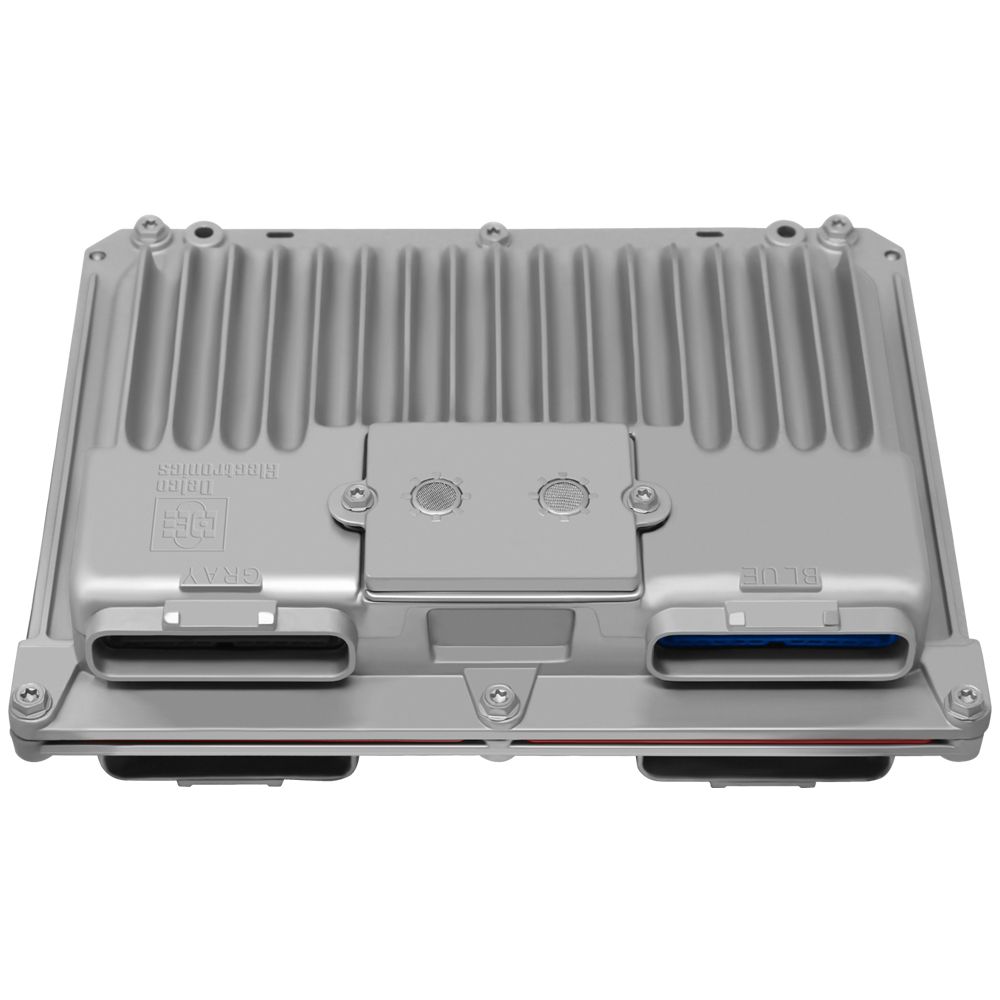
Flagship One stocks a refurbished, VIN-programmed PCM for the 1995 Chevrolet Caprice with a lifetime warranty, free shipping and no core charge. The full Chevrolet Caprice module lineup covers other engine configurations as well.
The engine control module in your 1995 Chevrolet Caprice plays a critical role in keeping your vehicle running smoothly. From managing fuel delivery to ensuring stable idle speeds, its proper function is essential for reliable performance. If you’re experiencing symptoms like stalling, no-start conditions, or poor drivability, the ECM may be the culprit. Replacing it with a VIN-programmed unit can save time and hassle, ensuring your Caprice gets back on the road without unnecessary delays.