
Last updated on August 25th, 2026 at 02:35 pm
In the 2004 Cadillac SRX, the Powertrain Control Module (PCM) and Engine Control Module (ECM) act as the vehicle’s central computers, managing engine timing, fuel delivery, transmission shift logic, and diagnostic reporting. Failure of either unit typically results in loss of power, erratic shifting, or the appearance of internal processor fault codes, because the vehicle can no longer coordinate engine and transmission functions reliably.
When a 2004 Cadillac SRX begins to exhibit no‑start conditions, unexpected stalling, or erratic shift behavior, the underlying cause often points to the vehicle’s main control computers. Understanding how the Powertrain Control Module and Engine Control Module function, where they reside, and what the factory recommends for removal, installation, and reprogramming can help you diagnose the issue accurately and decide whether a repair or a replacement is the better path. This guide walks you through the essential facts, labor expectations, safety cautions, and post‑install requirements so you can approach the job with confidence and avoid common pitfalls.
The Powertrain Control Module in a 2004 Cadillac SRX integrates engine and transmission management, interpreting sensor data to adjust fuel injection, ignition timing, and shift points. It also stores diagnostic trouble codes and communicates with the vehicle’s body control systems. The Engine Control Module performs a similar role focused on engine-specific parameters, ensuring optimal combustion and emissions compliance. Both modules are critical for smooth operation; a malfunction can interrupt power delivery, cause harsh shifting, or trigger internal processor fault codes. Proper function relies on accurate programming of oil life and transmission fluid life values, which the factory expects to be retained during service. In replacement scenarios, you may encounter 2004 Cadillac SRX replacement PCM that must match the original calibration to maintain system integrity.
2004 Cadillac SRX
OEM programmed ECM for your 2004 Cadillac SRX — plug & play, no dealer visit.
Free shipping · Lifetime warranty
Both the PCM and ECM are mounted within the engine compartment of the 2004 Cadillac SRX, typically secured to the firewall or a bracket near the intake manifold. Accessing the PCM requires disconnecting the battery and turning the ignition off to protect internal circuitry, as the factory cautions. Removal involves unplugging the PCM connectors, removing any retaining bolts, and extracting the unit. Reinstallation follows the reverse order, ensuring connectors are seated fully and torque specifications are met if provided in the service manual. Labor estimates from the factory book indicate 0.9 hours for PCM removal and reinstall on the 3.6 L engine, while the ECM replacement on the same engine is expected to take about 1.0 hour. Both procedures include a relearn step of 0.5 hours to reset module parameters after the hardware swap.
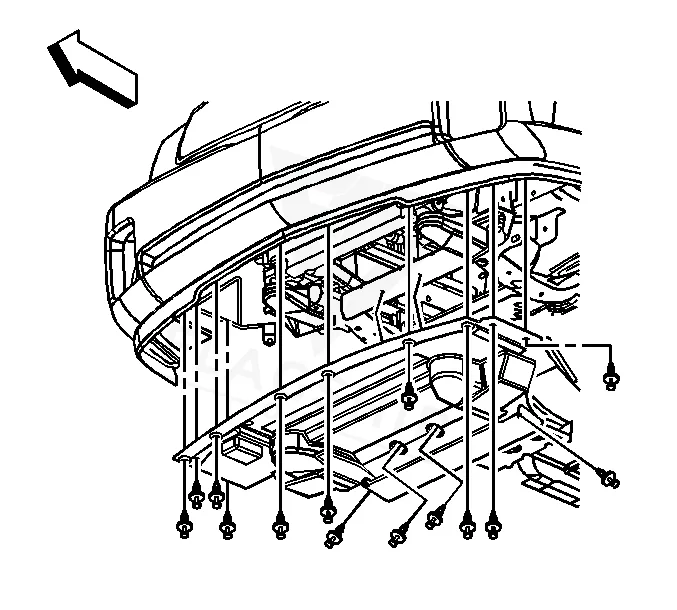
Work with the ignition off, and treat the module as static-sensitive: avoid touching the connector pins at any point.
| Operation | Configuration | Book Time |
|---|---|---|
| Powertrain Control Module R&R | 3.6L | 0.9 hr |
| Powertrain Control Module R&R | 4.6L | 1.1 hr |
| Powertrain Control Module Relearn | All configurations | 0.5 hr |
| Engine Control Module R&R | 3.6L | 1.0 hr |
| Engine Control Module R&R | 4.6L | 1.2 hr |
| Engine Control Module Relearn | All configurations | 0.5 hr |
After installing a new PCM or ECM in the 2004 Cadillac SRX, the factory process requires programming the unit with the vehicle’s remaining engine oil life and transmission fluid life values; otherwise those parameters default to 100 percent. Special equipment and the correct calibration file are needed to complete this step, as noted in the programming fact. Flagship One supplies a VIN-programmed replacement unit that arrives pre‑loaded with the appropriate oil and fluid life data, so the reprogramming and relearn steps are already satisfied at delivery, eliminating the need for additional field programming.
A failing PCM or ECM in a 2004 Cadillac SRX may present as a complete no‑start condition, intermittent stalling at idle, rough acceleration, or harsh shifting in the automatic transmission. Drivers often report the check engine light flashing and a loss of power while cruising. Diagnostic scans frequently reveal internal processor fault codes such as internal processor fault or related communication errors, indicating the module’s inability to process sensor inputs correctly. In some cases, the vehicle may exhibit erratic fuel trim values or a sudden drop in fuel pressure, both of which stem from the computer’s loss of control over engine management functions.
The following internal trouble codes have been documented for the 2004 Cadillac SRX and may appear when the PCM or ECM experiences a malfunction:
Service bulletin #04082 outlines a system software upgrade for the fuel level sender that requires reprogramming the ECM, dated October 18 2004. Bulletin #CAS20040016 records an engineering investigation into PCM behavior on Cadillac SRX models equipped with V8 Northstar engines, issued May 20 2004. Both bulletins provide guidance on software updates and diagnostic procedures specific to this vehicle.
| Bulletin | Subject | What It Addresses |
|---|---|---|
| — | System Software Upgrade – Fuel Level Sender On-BoardDiagnostic (Reprogram Engine Control Module | — |
| — | Adm Msg – Engineering Investigation on Powertrain Control Module (PCM) on Cadillac SRX and XLR | — |
When the PCM or ECM in your 2004 Cadillac SRX needs attention, you can choose a factory‑approved repair or opt for a Flagship One refurbished replacement. Both paths aim to restore reliable engine and transmission control, but the refurbished unit arrives VIN‑programmed, simplifying the post‑install steps while meeting the same performance standards.
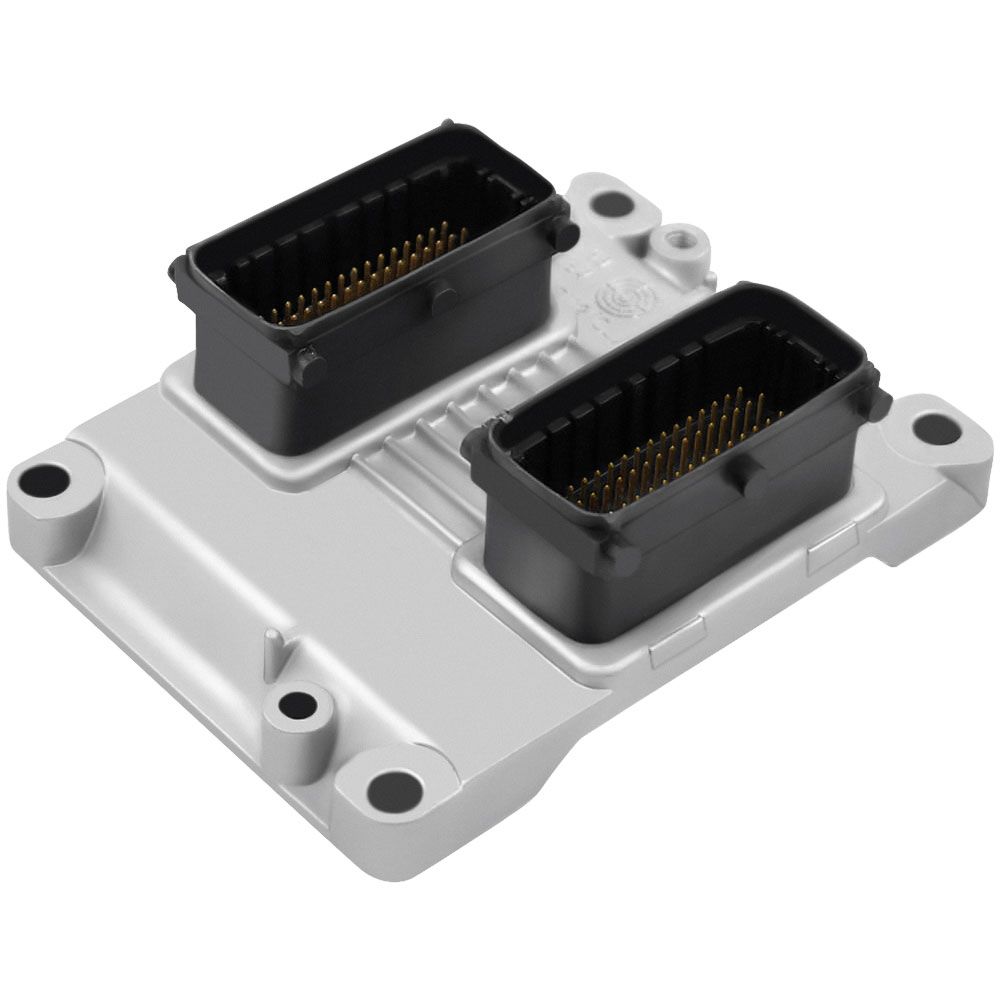
Flagship One stocks a refurbished, VIN-programmed PCM for the 2004 Cadillac SRX with a lifetime warranty, free shipping and no core charge. The full Cadillac SRX module lineup covers other engine configurations as well.
Whether you decide to repair or replace the control modules, the 2004 Cadillac SRX benefits from careful adherence to factory cautions and proper programming. Choosing a VIN‑programmed Flagship One unit can streamline the process and keep your vehicle running as intended.