
Last updated on August 25th, 2026 at 02:35 pm
The Powertrain Control Module (PCM) in the 2004 Cadillac CTS 3.2L manages engine and transmission functions. Failure may cause drivability issues, warning lights, or communication errors with diagnostic tools.
If your 2004 Cadillac CTS 3.2L is experiencing unexplained stalling, rough idling, or transmission shifting problems, the Powertrain Control Module (PCM) may be at fault. This critical component integrates engine and transmission control, ensuring smooth operation. Replacing it involves precise steps to avoid resetting maintenance intervals or triggering new issues. Understanding the process helps you anticipate labor time, programming requirements, and potential symptoms of failure. This guide covers what the PCM does, where it’s located, and how to approach replacement or reprogramming for your CTS.
The Powertrain Control Module in your 2004 Cadillac CTS 3.2L acts as the brain for both engine and transmission functions. It regulates fuel delivery, ignition timing, and shift points to optimize performance and efficiency. A failing PCM may disrupt these processes, leading to poor drivability or warning lights on the dashboard. When replacement becomes necessary, replacement engine computers for the CTS are designed to restore proper communication between the vehicle’s systems. Without a functional PCM, the CTS may struggle to start, shift erratically, or enter a reduced-power mode to prevent damage.
In the 2004 Cadillac CTS 3.2L, the PCM is mounted near the engine bay, typically behind the driver-side strut tower. Replacing it involves disconnecting the battery, removing the air intake assembly, and unplugging the module’s electrical connectors. The factory labor time for PCM removal and reinstallation is 0.4 hours for this engine. Always turn the ignition off before handling connectors to avoid damaging sensitive electronics. After installation, a relearn procedure of 0.5 hours is required to synchronize the module with the vehicle’s systems.
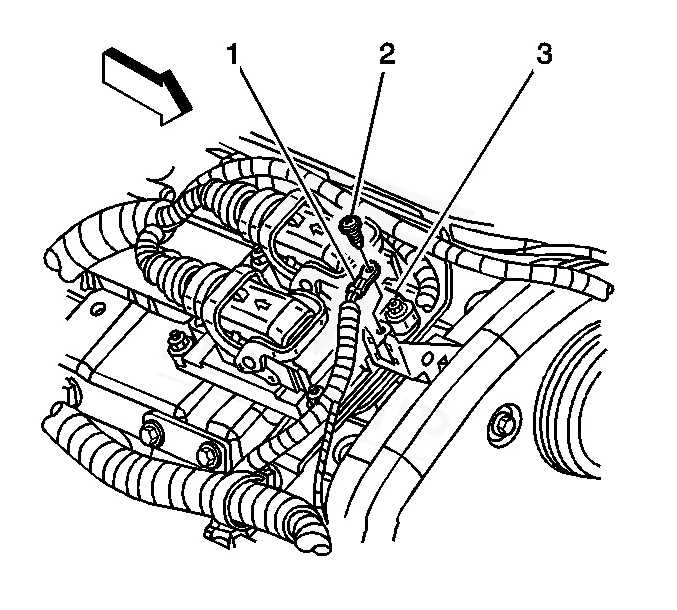
Work with the ignition off, and treat the module as static-sensitive: avoid touching the connector pins at any point.
| Operation | Configuration | Book Time |
|---|---|---|
| Powertrain Control Module R&R | 3.6L | 0.6 hr |
| Powertrain Control Module R&R | 5.7L | 1.4 hr |
| Powertrain Control Module R&R | 3.2L | 0.4 hr |
| Powertrain Control Module Relearn | All configurations | 0.5 hr |
| Engine Control Module R&R | 3.2L | 0.4 hr |
| Engine Control Module R&R | 3.6L | 2.9 hr |
| Engine Control Module R&R | 5.7L | 1.4 hr |
| Engine Control Module Relearn | All configurations | 0.5 hr |
2004 Cadillac CTS 3.2L
OEM programmed replacements — plug & play, no dealer visit.
Find yours by year, make & model →
Free shipping · Lifetime warranty
After installing a new PCM in your 2004 Cadillac CTS 3.2L, the factory requires a relearn procedure to ensure proper communication with the vehicle’s systems. This may involve either a 10-minute or 30-minute process to learn the fuel continue password from the theft deterrent control module. A VIN-programmed replacement unit arrives pre-configured for your vehicle, eliminating the need for additional programming steps. However, you must still record and restore the remaining engine oil and transmission fluid life to avoid resetting maintenance intervals to 100%.
A failing PCM in the 2004 Cadillac CTS 3.2L may cause a range of symptoms, including intermittent stalling, rough idling, or a no-start condition. You might also notice erratic transmission shifting, particularly at highway speeds under light throttle. Diagnostic trouble codes like internal control module memory checksum error often appear when the module’s memory integrity is compromised. Other signs include poor fuel economy, reduced engine power, or a complete loss of communication with a scan tool. If these issues arise, the PCM should be inspected for faults or replaced if necessary.
The 2004 Cadillac CTS 3.2L may log specific trouble codes when the PCM fails. These codes typically indicate internal module faults, memory errors, or communication issues with other vehicle systems.
Factory service bulletin #04-06-04-011 outlines procedural requirements for PCM replacement in the 2004 Cadillac CTS, ensuring warranty compliance. Another bulletin, #06-07-30-020, addresses an intermittent engine chuggle at highway speeds during light throttle, recommending reprogramming of the Transmission Control Module (TCM) to resolve the issue. These bulletins highlight common drivability concerns related to module performance in this model.
| Bulletin | Subject | What It Addresses |
|---|---|---|
| 04-06-04-011 | Warranty Admin. – New Procedural Requirements for Powertrain Control Module (PCM) Replacement – | — |
| 06-07-30-020 | LP1/LY7 Intermittent Engine Chuggle at Highway Speeds During Light Throttle Load (Reprogram Tra | Some customers may comment on an intermittent engine chuggle at highway speeds (typically above 100 km/h (62 mph)) during light throttle |
Common signs include a no-start condition, stalling, or erratic transmission shifts. Diagnostic trouble codes like P0601 or P0603 may also indicate PCM failure. A scan tool can confirm communication issues with the module.
While physically replacing the PCM is straightforward, programming and relearn procedures require specialized tools. A professional technician can ensure the module is properly synchronized with the vehicle’s systems.
The vehicle will default to 100% oil life, potentially delaying necessary maintenance. Always record and restore this data during PCM replacement to maintain accurate service intervals.
If your 2004 Cadillac CTS 3.2L requires a PCM replacement, consider whether a new or refurbished unit best suits your needs. Refurbished modules often provide a cost-effective solution while maintaining reliability. Ensure the replacement is VIN-programmed to avoid additional setup steps and confirm compatibility with your vehicle’s systems.
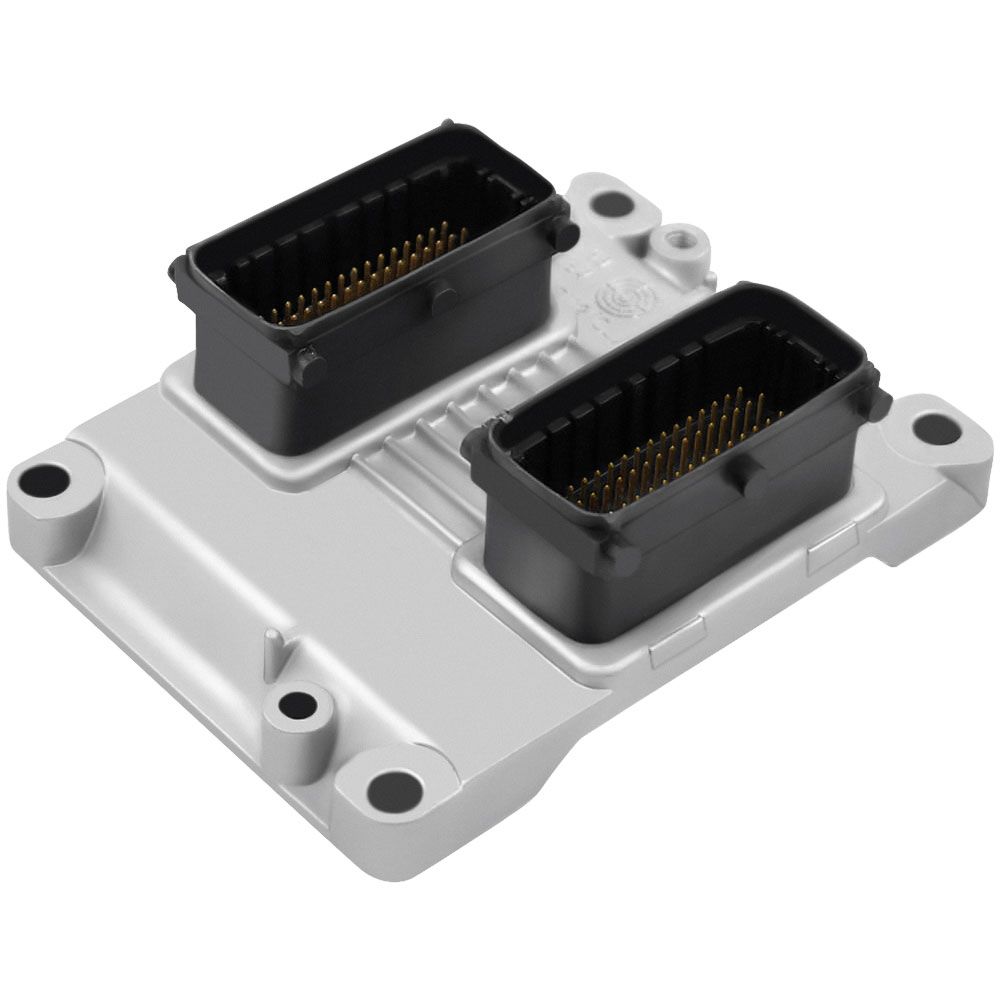
Flagship One stocks a refurbished, VIN-programmed PCM for the 2004 Cadillac CTS with a lifetime warranty, free shipping and no core charge. The full Cadillac CTS module lineup covers other engine configurations as well.
The 2004 Cadillac CTS 3.2L relies on its PCM to manage critical engine and transmission functions. If you’re experiencing drivability issues, a failing module may be the cause. Understanding the replacement process, labor times, and programming requirements helps you make informed decisions. Addressing PCM faults promptly can restore your CTS’s performance and prevent further complications.