
Last updated on August 25th, 2026 at 02:40 pm
The Powertrain Control Module (PCM) in the 2004 Buick Century manages engine and transmission functions. Failures may cause erratic performance, stored internal codes, or complete drivability loss. Replacement requires careful handling to prevent electrostatic damage and proper programming to retain vehicle settings.
If your 2004 Buick Century has been running poorly—stalling, refusing to start, or throwing cryptic engine codes—you might be dealing with a failing Powertrain Control Module (PCM). This small but critical computer oversees everything from fuel delivery to transmission shifts, and when it malfunctions, the symptoms can range from subtle to severe. Replacing it isn’t as simple as swapping a fuse; the process involves careful handling to avoid damage, precise installation steps, and programming to ensure the vehicle retains its settings. Understanding what’s involved can help you avoid unexpected costs or repeat repairs. Whether you’re preparing for a shop visit or considering a DIY approach, knowing the factory procedures and potential pitfalls will give you confidence in addressing the issue correctly.
The Powertrain Control Module in your 2004 Buick Century acts as the brain for both the engine and transmission. It continuously monitors sensors to adjust fuel injection, ignition timing, and shift points, ensuring smooth operation and optimal fuel efficiency. When this module fails, the vehicle may experience a range of issues, from rough idling to complete failure to start. Because it integrates so many functions, a malfunctioning PCM can trigger multiple warning lights or even leave you stranded. Replacement isn’t just about plugging in a new unit; it requires careful handling to avoid damaging sensitive electronics. For those needing a reliable fix, replacement engine computers for the Buick Century are designed to restore full functionality while meeting factory specifications. Without proper programming, however, even a new module won’t perform as intended, which is why following the correct procedures is essential.
In the 2004 Buick Century, the PCM is positioned next to the air cleaner assembly, making it relatively accessible compared to some vehicles where the module is buried under the dashboard or behind the engine. To replace it, you’ll need to disconnect the battery and carefully remove the air cleaner housing to reach the module. The factory procedure specifies handling the unit by its edges to avoid touching the connector pins or circuit board, as electrostatic discharge can cause internal damage. Once removed, the new module is installed in the reverse order, with connectors secured and the air cleaner assembly reinstalled. Labor time for removal and reinstallation is typically 0.9 hours, according to factory estimates. After physical installation, a relearn procedure is required, which adds another 0.5 hours to ensure the vehicle’s systems recognize the new module.
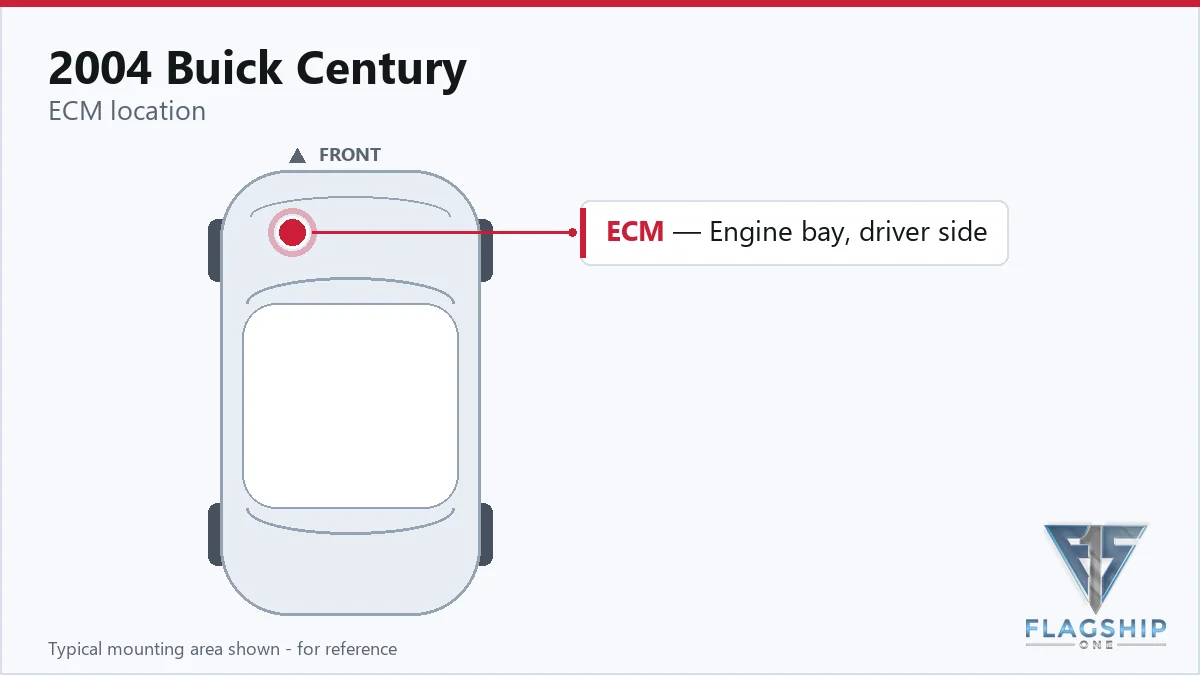
Work with the ignition off, and treat the module as static-sensitive: avoid touching the connector pins at any point.
| Operation | Configuration | Book Time |
|---|---|---|
| Powertrain Control Module Relearn | All configurations | 0.5 hr |
| Powertrain Control Module R&R | One | 0.9 hr |
| Engine Control Module Relearn | All configurations | 0.5 hr |
| Engine Control Module R&R | All configurations | 0.9 hr |
2004 Buick Century
OEM programmed ECM for your 2004 Buick Century — plug & play, no dealer visit.
Free shipping · Lifetime warranty
After installing a new PCM in your 2004 Buick Century, the factory procedure requires a relearn process to synchronize the module with the vehicle’s systems. This step is critical because the PCM must recalibrate to the engine’s sensors and transmission controls. Additionally, the remaining engine oil life must be reprogrammed into the new module; if this isn’t done, the system defaults to 100%, which could lead to premature or delayed oil change reminders. The relearn process typically takes 0.5 hours and involves using a scan tool to reset adaptive values. However, if you opt for a VIN-programmed replacement unit, these steps are already completed, saving you time and ensuring the module arrives ready to install. This eliminates the need for additional programming at the shop, reducing the risk of errors during the setup process.
A failing PCM in the 2004 Buick Century often announces itself through a variety of symptoms, some of which can mimic other issues. Common signs include intermittent stalling, especially at idle or during deceleration, as the module struggles to maintain proper fuel and spark delivery. You might also notice the engine cranking but not starting, or it may start and then die shortly after. Transmission shifting may become erratic, with harsh or delayed gear changes. Onboard diagnostics may reveal internal module codes like an internal control module memory checksum error, which indicates corruption in the PCM’s memory. Other symptoms include poor fuel economy, rough idling, or even a complete loss of communication with a scan tool. Because these issues can overlap with sensor or wiring problems, proper diagnosis is key to avoiding unnecessary repairs.
The 2004 Buick Century’s PCM can generate a range of internal trouble codes when it malfunctions. These codes typically point to issues within the module itself rather than external sensors or wiring. The list below includes the most common codes associated with PCM failures in this vehicle.
Replacing the PCM is physically straightforward, as it’s located near the air cleaner assembly. However, the process requires careful handling to avoid electrostatic damage and proper programming afterward. If you’re not comfortable with these steps, a professional installation is recommended.
Code P0601 indicates an internal memory checksum error in the PCM, often caused by corruption in the module’s software or hardware failure. This may result from voltage spikes, age-related wear, or physical damage. Replacement is typically the most reliable solution.
If the remaining engine oil life isn’t reprogrammed into the new PCM, the system will default to 100%. This could lead to premature oil change reminders or, conversely, delayed alerts, potentially causing engine wear if oil changes are postponed.
A failing PCM often triggers multiple codes or symptoms that don’t align with a single sensor failure. For example, you might see internal module codes like P0601 alongside drivability issues. A scan tool can help distinguish between PCM and sensor-related faults.
Driving with a failing PCM can be unpredictable. The vehicle may stall, refuse to start, or exhibit erratic transmission behavior. If you suspect PCM issues, it’s best to address them promptly to avoid being stranded or causing further damage.
If your 2004 Buick Century is experiencing PCM-related issues, you have options for repair or replacement. While some shops may attempt to reflash the existing module, this isn’t always a permanent fix, especially if the hardware is failing. A new or refurbished replacement unit can restore full functionality, but it’s important to choose one that’s pre-programmed to your vehicle’s VIN to avoid additional setup steps. For those looking to avoid the hassle of programming, a ready-to-install module can save time and ensure a smooth repair process.
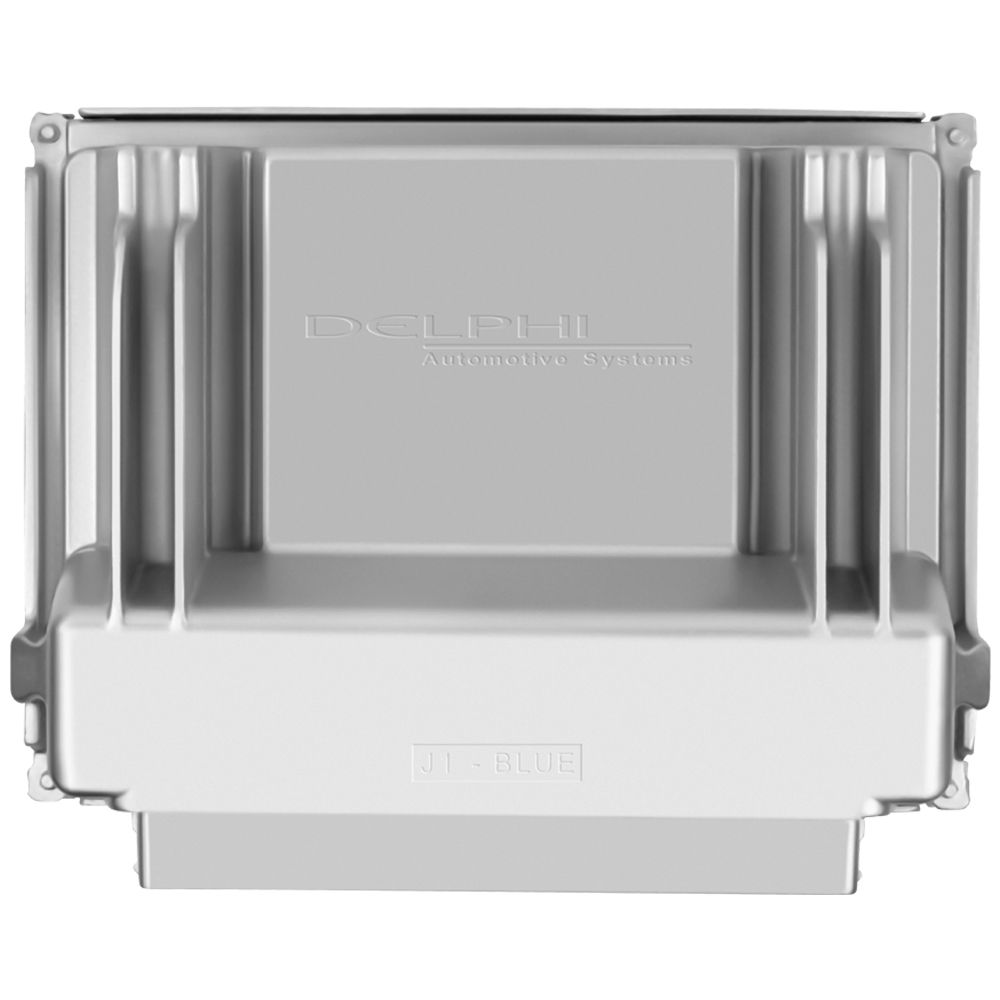
Flagship One stocks a refurbished, VIN-programmed PCM for the 2004 Buick Century with a lifetime warranty, free shipping and no core charge. The full Buick Century module lineup covers other engine configurations as well.
The 2004 Buick Century relies on its PCM to manage critical engine and transmission functions, and when this module fails, the symptoms can be frustrating and unpredictable. Understanding the replacement process, from handling precautions to programming requirements, can help you make informed decisions about repairs. Whether you opt for a DIY approach or professional installation, ensuring the new module is properly programmed will save you time and prevent future issues. Addressing PCM problems promptly will keep your Century running smoothly for miles to come.