
Last updated on August 25th, 2026 at 02:45 pm
The Digital Motor Electronics control unit in your 1990 BMW 5 Series manages fuel delivery, ignition timing, and idle control. Internal memory failures can trigger warning lights and driveability complaints even when sensors and wiring test perfectly. When the module itself fails, replacement is the only reliable repair.
Finding your 1990 BMW 5 Series running poorly, stalling, or displaying a Check Engine Light can be frustrating, especially when all the obvious sensors and wiring check out fine. The engine management module may be the culprit, and recognizing that possibility can save you from replacing parts that do not need replacing. This article explains how the Digital Motor Electronics control unit functions on the 1990 BMW 5 Series, what can go wrong inside it, and what the factory procedure requires if you install a replacement. You will learn about the relearn step that follows any module swap, why proper handling during installation matters, and what symptoms most commonly point back to the module itself rather than external components. Whether you are a technician diagnosing an unfamiliar vehicle or an owner trying to understand the repair process, the information here will help you approach the job with clear expectations.
The Digital Motor Electronics control unit on the 1990 BMW 5 Series is the central computer that governs the Motronic 1 fuel and ignition system. It receives data from multiple sensors — including the mass air flow sensor, coolant temperature sensor, and crankshaft position sensor — and uses that information to calculate injector pulse width and ignition timing in real time. The module also manages the idle air control valve and monitors its own internal circuits for faults. Because this computer makes decisions that affect every aspect of engine operation, an internal failure can produce a broad range of driveability problems that do not follow a simple pattern. The module is designed to store detected faults in its internal memory, which is why a Check Engine Light may illuminate even when no external sensor is actually broken. Replacing the module requires careful attention to factory cautions about static discharge and ignition state, and the new unit must go through a relearn process before the engine runs correctly. For owners and technicians sourcing replacement engine computers for the 1990 BMW 5 Series, understanding what this module actually does clarifies why the repair process matters and why a pre-programmed replacement unit can streamline the job significantly.
Flagship One keeps BMW 5 Series replacement engine computers in stock for exactly this failure pattern.
1990 BMW 5 Series
OEM programmed ECM for your 1990 BMW 5 Series — plug & play, no dealer visit.
Free shipping · Lifetime warranty
The engine management module on the 1990 BMW 5 Series is installed inside the vehicle cabin or in the engine bay, and accessing it requires careful connector handling. Factory guidance directs technicians to place the module on a static-safe mat whenever it is being disconnected or handled, and the ignition must always be switched off before any connection or disconnection occurs. Six retaining tabs on the module cover must be carefully bent up during removal to avoid cracking the housing. The replacement procedure calls for reversing the removal steps, ensuring all connectors are fully seated and the harness is properly routed to prevent chafing. Book time for ECM removal and replacement is 0.5 hours, with an additional 0.5 hours for PCM removal and replacement if that separate module is also being addressed. After the module is installed and connectors are secured, the relearn procedure must be performed before the vehicle is driven, as the engine will not run correctly without it.
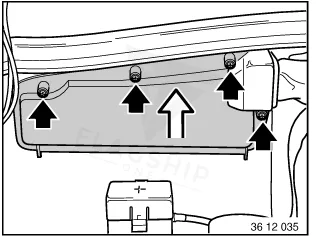
Work with the ignition off, and treat the module as static-sensitive: avoid touching the connector pins at any point.
| Operation | Configuration | Book Time |
|---|---|---|
| Engine Control Module R&R | All configurations | 0.5 hr |
| Powertrain Control Module R&R | All configurations | 0.5 hr |
| Powertrain Control Module Relearn | All configurations | 0.5 hr |
After installing a replacement module on the 1990 BMW 5 Series, the factory service procedure requires a relearn step to be performed using compatible diagnostic equipment. This relearn process allows the new module to establish proper communication with the engine sensors and calibrate its fuel and spark delivery maps to your specific vehicle. Without completing this step, the engine may run poorly, stall, or fail to start entirely. The relearn procedure adds 0.5 hours of labor to the overall job, and the process typically requires dealer-level diagnostic tools or an advanced aftermarket scan tool capable of performing the module initialization sequence. Units from Flagship One arrive pre-loaded with your vehicle’s specific VIN data, which means the programming step that would otherwise need to be completed at the dealership is already done. This allows the installer to proceed directly to the relearn procedure after mechanical installation is complete, reducing the overall time the vehicle spends in the shop and eliminating the need to schedule dealer programming.
Every VIN-programmed replacement unit from Flagship One arrives with these steps already completed.
When the Digital Motor Electronics module fails on the 1990 BMW 5 Series, symptoms can range from subtle to severe depending on which internal circuit is affected. A no-start condition is common if the module stops outputting fuel injector signals or fails to fire the ignition coils. Intermittent stalling and rough running often appear when the module’s internal processing becomes unreliable, particularly under heat soak conditions. Multiple trouble codes may be stored in the module’s memory, including internal fault conditions that do not correspond to any actual sensor or wiring problem on the vehicle. In some cases, the Check Engine Light illuminates and stays on, while the scan tool may show communication issues with the engine management system. Faults related to transmission shifting can also occur because the module often shares data with the transmission control system on this model. One specific internal fault code that may appear is P0601, indicating a memory checksum error inside the module, which is a strong indicator that replacement rather than further sensor diagnosis is the correct repair path.
Factory service information for the 1990 BMW 5 Series documents a specific caution that applies whenever any control module is being serviced. Technicians are reminded to switch the ignition off before connecting or disconnecting any module, and the module itself must be placed on a static-safe surface during handling to prevent electrostatic discharge damage. These cautions apply specifically to the Motronic 1 engine management system installed on this vehicle. The module cover features six retaining tabs that must be bent up carefully during removal, suggesting the housing design is sensitive to over-flexing. Service records for this model also note that the Check Engine Light illumination with stored faults in the DME and ECM is a documented concern that may lead to module replacement as the corrective action.
| Bulletin | Subject | What It Addresses |
|---|---|---|
| — | Check Engine Light Illuminated, Faults Stored in DME/ECM | — |
Yes. The module performs internal self-tests, and when those internal circuits detect a fault in their own processing or memory, they log a code describing the internal condition rather than an external sensor failure. This means you can have trouble codes stored with no apparent sensor problem at all.
The relearn procedure must be performed after any module replacement. Without this step, the module has not calibrated itself to your vehicle’s specific sensors and may continue to flag faults or run poorly. The relearn synchronizes the module’s fuel and spark maps with the engine’s actual operating conditions.
These are separate control units on this vehicle. The engine management module and the powertrain control module each handle distinct functions, and each may need to be addressed separately during diagnosis and replacement. Both units require proper relearn procedures after installation.
Switching the ignition on while a module is connected or disconnected can cause voltage transients that damage internal circuits. The module’s internal components are sensitive to these spikes, which is why the factory procedure explicitly requires the ignition to be off before any connection change.
No communication through the OBD port can indicate a failed module, but it can also result from damaged wiring, a blown fuse in the module power circuit, or a defective data link connector. A technician should verify power and ground to the module before concluding that replacement is necessary.
If the diagnosis points to a failed module on your 1990 BMW 5 Series, you have two main repair paths. A new or refurbished replacement module from the dealership will typically require VIN programming and the relearn procedure as separate steps, adding time and cost to the repair. A pre-programmed replacement unit from Flagship One arrives ready to install, allowing your technician to complete the installation and proceed directly to the relearn step. Evaluate your repair options based on your vehicle’s specific condition, your mechanic’s capabilities, and how quickly you need the car back in service.
Flagship One stocks a refurbished, VIN-programmed PCM for the 1990 BMW 5 Series with a lifetime warranty, free shipping and no core charge. The full BMW 5 Series module lineup covers other engine configurations as well.
The Digital Motor Electronics control unit is the brain of the 1990 BMW 5 Series engine management system, and recognizing when it has failed internally rather than chasing sensor faults can prevent wasted time and unnecessary parts replacement. Following factory cautions during handling and completing the required relearn procedure after installation are essential steps for a successful repair. Whether you choose a dealer-supplied unit or a VIN-programmed replacement from Flagship One, understanding these requirements helps you have an informed conversation with your technician and sets realistic expectations for the job ahead.