U3576 Code Diagnosis, Symptoms, Causes & Repair Complete Guide
Pressure loss on your vehicle? U3576 flags a Stack Differential Pressure Sensor circuit fault—possible HVAC failure. Scan, inspect wiring, replace sensor.
Windows, power locks, manual locks, doors, trunk, tailgate, mirrors, power and manual seat controls, seat belts, sunroof, convertible top, glass defects.
The 2004 Volvo C70 seems to have some issues with the doors not locking or unlocking, which can be a bit of a hassle. While this isn’t a deal-breaker for everyone, it’s definitely something to keep in mind if you’re considering this model. Overall, it’s a good idea to check the door mechanisms during a test drive to make sure everything’s working smoothly.
Brake pads, brake rotors, brake calipers, anti-lock braking system (ABS), brake lines, brake master cylinder, brake booster, parking brake, brake sensors, regenerative braking system (if applicable).
The 2004 Volvo C70’s convertible tops can be a bit finicky due to issues with micro-switches and potentiometers. These components are crucial for the smooth operation of the top, and when they act up, it can lead to some frustrating experiences. While the car is generally reliable, this particular problem is something to keep an eye on if you’re considering a C70.
The 2004 Volvo C70 has been known to experience some reliability issues, particularly with hard shifting from the transmission. This problem, along with other reported issues, can affect the overall driving experience and may require attention from a mechanic. While the C70 offers a stylish design and comfortable ride, potential buyers should be aware of these concerns and consider them when evaluating the cars long-term reliability.
The 2004 Volvo C70 has a known issue with the door window regulator, which can lead to the windows not operating smoothly or getting stuck. While this problem can be a bit annoying, it’s a relatively common issue in older cars and can usually be fixed without too much hassle. Overall, aside from this hiccup, the C70 tends to hold up well in terms of reliability.
N/A
No major problem has been reported
The 2004 Volvo C70 has a known issue with the ABS light coming on due to a failure in the ABS control module. This problem can be a bit of a headache, as it affects the car’s braking system reliability. While it’s a common issue for this model year, addressing it promptly can help maintain the overall safety and performance of the vehicle.
The 2004 Volvo C70 is known to have some issues with a knocking noise from the front suspension when going over bumps. This problem can be a bit annoying and might indicate wear in components like the struts or sway bar links. While it’s not a deal-breaker, it’s something to keep an eye on if you’re considering this model for its overall reliability.
The 2004 Volvo C70 seems to have some electrical issues, particularly stemming from bad battery cables. This can lead to unreliable starts and other electrical glitches, which might be a bit of a headache if you’re not prepared for it. Overall, while the car has its charms, it’s worth keeping an eye on the battery connections to avoid unexpected problems.
The 2004 Volvo C70 seems to have some annoying issues with the sun visors not staying up and the interior light staying on, which can be a bit of a hassle for drivers. These problems might not be deal-breakers, but they can definitely affect the overall convenience and comfort of the car. If you’re considering this model, it might be worth checking if these issues have been addressed or if you’re okay with a little DIY fix.
The 2004 Volvo C70 has a known issue with the front upper strut mounts, which can fail and lead to noise when driving over bumps. While this problem can be annoying, it’s a relatively common issue in older vehicles and can be fixed with a replacement. Overall, aside from this hiccup, the C70 is generally considered to be a reliable car for its age.
Cruise control, keyless entry system, push-button start, wiper motor, warning lights, power mirrors, interior lighting, exterior lighting, dashboard indicators, electronic parking brake, tire pressure monitoring system (TPMS), alarm and security system, remote engine start, heated and ventilated seats, heated steering wheel, wireless charging pad.
The 2004 Volvo C70 seems to have some common issues with its EVAP system, particularly involving the purge valve, tank pressure, and gas cap. These problems can lead to annoying check engine lights and might require some attention to keep the car running smoothly. While these issues are not uncommon for a car of this age, they can be a bit of a hassle for owners who want a hassle-free driving experience.
Dashboard rattles, squeaks, wind noise, door seals, weather stripping, water leaks, air leaks, excessive road noise, suspension noise, drivetrain noise, exhaust rattles, engine bay noises.
The 2004 Volvo C70 has a known issue with the AC evaporator potentially leaking, which can be a bit of a hassle. While this problem might not affect every vehicle, it’s something to keep an eye on if you’re considering this model. Overall, the C70 is generally reliable, but addressing the AC evaporator issue early can save you from bigger headaches down the road.
No major problem has been reported
The 2004 Volvo C70 is generally a reliable car, but one issue to keep an eye on is the upper engine mount, which may wear out prematurely. This can lead to increased engine vibrations and noise, so it’s a good idea to have it checked regularly. Overall, while this problem is something to be aware of, it doesn’t overshadow the car’s overall dependability.
The 2004 Volvo C70 has a known issue with the upper engine torque mount wearing out prematurely. This can lead to increased engine vibrations and potentially more costly repairs if not addressed in a timely manner. While this problem is a bit of a hassle, regular maintenance and timely replacement of the mount can help maintain the car’s overall reliability.
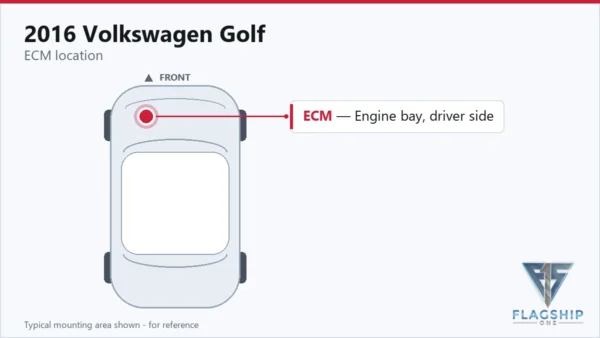
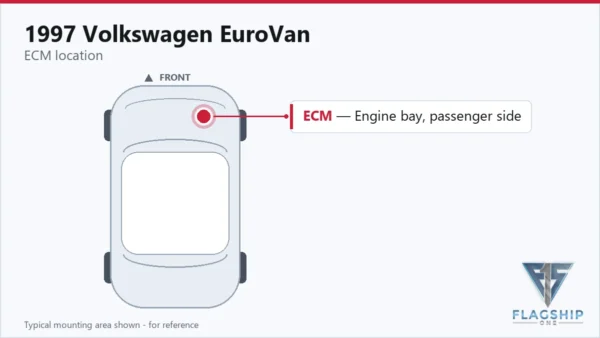
The world's top supplier of programmed OEM (Original Equipment Manufacturer) Powertrain Control Modules (PCM), Engine Control Modules (ECM), Injection Control Modules (IDM), Body Control Modules (BCM), Transmission Control Modules (TCM), Engine Control Units and all other car control units. With over a decade in the business, we are the most reliable source when it comes to programming services for replacement engine control modules.
Pressure loss on your vehicle? U3576 flags a Stack Differential Pressure Sensor circuit fault—possible HVAC failure. Scan, inspect wiring, replace sensor.
Coolant mixing valve sensor fault lights up on your vehicle—risking overheating. Scan U3575, test the sensor, and promptly reprogram or replace it.
Coolant temperature spikes or no heat in your vehicle? U3574 signals a faulty Coolant Mixing Valve—run a module scan and arrange reprogramming or replace.
Engine overheating or coolant warning on your vehicle? A faulty coolant mixing valve control circuit can cause temp loss—scan, reprogram or replace now.
Temp gauge spikes and overheating on your vehicle? U3572 means Stack Outlet Coolant Temp Sensor 2 circuit fault—scan or replace to prevent engine damage.
Temp gauge spikes and overheating in your vehicle? Faulty Stack Outlet Coolant Temp Sensor 1 can overheat engine—scan circuit and schedule module repair.
Coolant temperature warning on your vehicle? A Stack Inlet Coolant Temperature Sensor Circuit can cause overheating—scan, test and replace/reprogram.
Warning light or loss of power from your vehicle’s Anode Multifunction Valve? It threatens system reliability—scan the code and replace the valve promptly.
Your vehicle flashes U3568—Anode Multifunction Valve control circuit fault, risking loss of function. Scan, test the circuit, then reprogram or replace.
Power loss or boost warning in your vehicle? A faulty Anode Inlet Pressure Sensor 2 circuit can trigger limp mode—scan, test wiring and replace sensor.
Fuel pressure warning on your vehicle? A faulty Anode Inlet Pressure Sensor 1 circuit can cause erratic fuel delivery—scan the code, test the sensor, an…
Hydrogen pressure warning on your vehicle? Faulty Hydrogen Supply Line A Pressure Sensor 2 circuit can cut fuel‑cell output—scan and replace the sensor.