
Last updated on August 25th, 2026 at 01:06 pm
In the 2020 Lexus IS300 the Engine Control Module governs fuel delivery, ignition timing and emission controls. When the unit fails, the engine may refuse to start, run erratically, or trigger internal diagnostics such as P0606, indicating a communication problem within the control system.
When an owner of a 2020 Lexus IS300 encounters engine‑performance issues, the first suspect is often the Engine Control Module. This component acts as the brain for the power‑train, interpreting sensor data and commanding fuel, spark and emission functions. Replacing a faulty ECM can restore smooth operation, but the process involves specific safety precautions, a brief waiting period after the ignition is turned off, and a required VIN registration step. This guide walks you through the removal, installation, and post‑install requirements so you know exactly what to expect and how to complete the job with confidence.
The Engine Control Module in the 2020 Lexus IS300 processes inputs from dozens of sensors and issues commands that keep the engine running within design limits. It monitors parameters such as throttle position, crankshaft speed, and exhaust composition, then adjusts fuel injection, spark timing and variable valve events accordingly. Because it coordinates emissions compliance and fuel economy, any malfunction can lead to drivability loss, increased emissions, or a diagnostic trouble code. The module also communicates with the transmission control unit to ensure smooth gear shifts. Understanding its role helps you see why a proper replacement, including the 2020 Lexus IS300 replacement engine computers that match the vehicle’s specifications, is critical for reliable performance.
2020 Lexus IS300
OEM programmed ECM for your 2020 Lexus IS300 — plug & play, no dealer visit.
Free shipping · Lifetime warranty
The ECM resides behind the engine compartment and is reachable only after the cable linked to the vehicle’s negative battery lead is taken out of the way. Begin by disconnecting the ignition and allowing a brief pause as recommended by the manufacturer. Then detach the cable that secures the negative terminal, taking care not to damage the connector housing. With the cable cleared, the module can be unbolted and withdrawn. Installation reverses the steps: position the new unit, secure it with the specified fasteners, reconnect the battery lead cable, and re‑engage the ignition. The service manual lists a removal time of 0.7 hours for a full replace, while a simple reset or relearn requires roughly 0.5 hours.
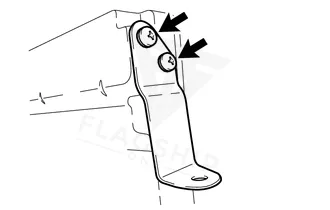
Work with the ignition off, and treat the module as static-sensitive: avoid touching the connector pins at any point.
| Operation | Configuration | Book Time |
|---|---|---|
| Powertrain Control Module Relearn | All configurations | 0.5 hr |
| Powertrain Control Module R&R | All configurations | 0.7 hr |
| Engine Control Module Reset | All configurations | 0.3 hr |
| Engine Control Module R&R | All configurations | 0.7 hr |
| Engine Control Module Relearn | All configurations | 0.5 hr |
After the ECM is swapped, the factory procedure calls for a VIN registration to align the new unit with the vehicle’s identity, followed by a control module relearn sequence that may involve cycling the ignition and monitoring sensor feedback. Because Flagship One units arrive already programmed with the correct VIN, those steps are effectively completed before the part reaches your shop, allowing you to skip the registration and proceed directly to any required relearn, which typically takes about half an hour. This eliminates the need for external programming tools and reduces the chance of an error during the post‑install phase, especially when using a VIN-programmed replacement unit from Flagship One.
A failing Engine Control Module in the 2020 Lexus IS300 often reveals itself through intermittent no‑start conditions, rough idle, unexpected stalling, or a loss of power during acceleration. Drivers may also notice the check‑engine light flashing and a diagnostic scan returning the internal fault engine control module fault P0606 that points to a communication error inside the control network. In some cases, the transmission may shift harshly because the ECM is not providing the correct torque data. These signs typically prompt a technician to verify sensor operation and scan for the specific code before deciding on a replacement.
The following internal trouble code is documented for the 2020 Lexus IS300 ECM:
| Code | Meaning | Full Guide |
|---|---|---|
| P0606 | Module processor failure | Full P0606 guide → |
The factory process calls for entering the vehicle’s VIN into the replacement module so it can authenticate with the vehicle’s networks. Flagship One units arrive pre‑programmed, so you only need to confirm the VIN matches the vehicle paperwork.
The labor guide lists about 0.7 hours for removal and installation of the module, plus an additional 0.3 hours if a simple reset is performed. Expect roughly an hour total for a clean swap.
Yes, because the ECM supplies torque and speed data to the transmission controller. When communication is lost, the transmission may shift harshly or remain in a default gear.
A relearn is recommended to allow the new unit to calibrate sensor baselines and adapt to the engine’s operating characteristics. This typically involves cycling the ignition and letting the engine idle for a short period.
Common indicators include a persistent check‑engine light, the specific P0606 code, loss of power, stalling at idle, and erratic transmission behavior.
When the ECM in your 2020 Lexus IS300 shows signs of failure, you can either have a qualified technician perform a repair using a refurbished unit or choose a brand‑new replacement that arrives VIN‑programmed. Both paths aim to restore engine control, but the Flagship One option removes the need for post‑install programming, potentially saving time and reducing error risk.
Flagship One stocks a refurbished, VIN-programmed PCM for the 2020 Lexus IS300 with a lifetime warranty, free shipping and no core charge. The full Lexus IS300 module lineup covers other engine configurations as well.
Replacing the Engine Control Module in a 2020 Lexus IS300 restores the vehicle’s performance and reliability. Whether you opt for a refurbished repair or a new VIN‑programmed unit, following the outlined steps ensures a safe and effective installation.