
Last updated on August 25th, 2026 at 11:55 am
The powertrain control module (PCM) in the 2019 Toyota Prius manages engine and hybrid system functions. When it fails, the vehicle may experience a no-start condition, poor fuel economy, or illuminate the check engine light with internal processor fault codes.
When the engine control module in a 2019 Toyota Prius begins to fail, it can create a range of frustrating driveability issues. The module is the brain behind engine and hybrid system coordination, and even intermittent faults can leave you stranded or trigger warning lights. This guide explains what the module does, how to recognize common failure symptoms, and what the replacement process involves. You will learn the factory-specified labor times for removal and programming, the critical precautions Toyota outlines for service, and how a pre-programmed replacement can save you time and money. By understanding the steps and potential pitfalls, you can make an informed decision about getting your Prius back on the road reliably.
The engine control module in the 2019 Toyota Prius is the central computer that governs fuel delivery, ignition timing, and hybrid system interaction. It processes data from numerous sensors — such as the mass airflow, throttle position, and oxygen sensors — to adjust engine operation for efficiency and emissions compliance. The module also communicates with the hybrid vehicle control ECU to manage seamless transitions between electric and gasoline power. When internal circuitry degrades, the module may misinterpret sensor signals or fail to execute critical commands, leading to performance problems or a no-start condition. For those needing a replacement, remanufactured Prius engine computers offer a cost-effective alternative to dealer-installed new parts. A malfunctioning unit can also store internal diagnostic trouble codes that point directly to processor failure, making accurate diagnosis essential before replacement.
2019 Toyota Prius
OEM programmed ECM for your 2019 Toyota Prius — plug & play, no dealer visit.
Free shipping · Lifetime warranty
The engine control module is located in the engine compartment, and replacement begins with disconnecting the cable from the negative auxiliary battery terminal. Factory service information specifies a waiting period after turning the power switch off before disconnecting the cable. The book time for powertrain control module removal and replacement is 0.8 hours, with an additional 0.5 hours for the relearn procedure. For the engine control module, removal and replacement also takes 0.8 hours, plus 0.5 hours for relearn and 0.3 hours for a reset. A key caution: do not lower the vibration dampening connectors until the motor generator control ECU kit is installed to the inverter with converter assembly.
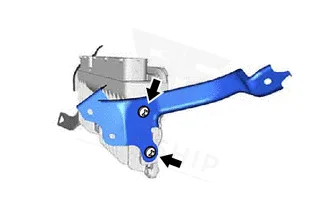
Work with the ignition off, and treat the module as static-sensitive: avoid touching the connector pins at any point.
| Operation | Configuration | Book Time |
|---|---|---|
| Powertrain Control Module R&R | All configurations | 0.8 hr |
| Powertrain Control Module Relearn | All configurations | 0.5 hr |
| Engine Control Module Relearn | All configurations | 0.5 hr |
| Engine Control Module R&R | All configurations | 0.8 hr |
| Engine Control Module Reset | All configurations | 0.3 hr |
Toyota specifies that after replacing the engine control module, certain adjustment, calibration, or registration procedures must be performed. The factory service information lists these necessary steps to ensure proper operation. Additionally, the battery ECU and engine control module should not be replaced at the same time, as the hybrid battery learning values will be lost; if both must be replaced, a specific sequence must be followed. When you order a pre-programmed replacement unit, these post-installation procedures are already completed, so you can skip the dealer-level programming and relearn steps.
A failing engine control module in the 2019 Toyota Prius often produces a no-start condition, intermittent stalling, or rough running. You may notice the check engine light illuminated, poor fuel economy, or the vehicle refusing to enter READY mode. Communication errors with a scan tool are another common sign, as the module may not respond to diagnostic requests. In some cases, the transmission may exhibit harsh or erratic shifting behavior. One specific internal fault is the P0606 processor fault, which indicates a problem within the module’s own circuitry and typically requires replacement of the unit.
The engine control module can log internal trouble codes that point directly to a hardware or software failure within the unit itself. The following code is documented for this vehicle.
| Code | Meaning | Full Guide |
|---|---|---|
| P0606 | Module processor failure | Full P0606 guide → |
Common signs include a no-start condition, stalling, poor fuel economy, and an illuminated check engine light. You may also experience communication failures with a scan tool or see internal fault codes like P0606.
Yes, the module is accessible in the engine compartment and the book time for removal and replacement is 0.8 hours. However, you must follow the factory precautions, such as disconnecting the negative auxiliary battery cable and waiting the specified time after turning off the power switch.
A new or used module typically requires dealer-level programming, including relearn procedures. A pre-programmed unit arrives with your vehicle’s VIN already loaded, so you can skip the programming steps and install it directly.
When your Prius needs a new engine control module, you have two paths: purchase a new unit from a dealer and pay for programming, or choose a remanufactured, VIN-programmed replacement that arrives ready to install. The latter option often saves both time and money while delivering the same reliable performance. Consider your budget and how quickly you need the vehicle back on the road.
Flagship One stocks a refurbished, VIN-programmed PCM for the 2019 Toyota Prius with a lifetime warranty, free shipping and no core charge. The full Toyota Prius module lineup covers other engine configurations as well.
Replacing the engine control module in a 2019 Toyota Prius is a straightforward job with the right preparation. By following the factory precautions and using a pre-programmed unit, you can avoid the complexity of post-installation relearn procedures. A properly functioning module restores engine performance and hybrid system coordination, getting your Prius back to its efficient, dependable self.