
Last updated on August 25th, 2026 at 01:15 pm
In the 2019 Infiniti Q70 the Powertrain Control Module and Engine Control Module manage engine speed, fuel delivery and transmission coordination. A failure typically disrupts sensor communication, triggers fault codes such as P0605, and can prevent the vehicle from starting or shifting smoothly.
When a 2019 Infiniti Q70 begins to exhibit no‑start conditions, rough shifting, or intermittent engine warning lights, the underlying cause often lies in its electronic control modules. Understanding how the Powertrain Control Module (PCM) and Engine Control Module (ECM) interact with the vehicle’s systems can help you diagnose the issue and decide on the proper repair path. This guide explains the function of each module, typical symptoms of failure, the labor involved in removal and installation, and how Flagship One’s VIN‑programmed replacements streamline the post‑install process. By the end, you’ll know what to expect from a professional service and how to protect the modules moving forward.
The Powertrain Control Module in the 2019 Infiniti Q70 serves as the central brain that interprets sensor data, commands fuel injection, and synchronizes transmission shifts. It constantly monitors inputs such as throttle position, engine speed, and vehicle load, then issues commands to actuators to maintain optimal performance and emissions compliance. A malfunction can cause erratic power delivery, loss of driveability, or complete engine shutdown. The Engine Control Module, while focused primarily on combustion management, works in tandem with the PCM to fine‑tune fuel timing, ignition spark, and emissions controls. Together they ensure the vehicle runs smoothly across all conditions. Maintaining their integrity is essential for reliability and fuel efficiency. replacement PCM for 2019 Infiniti Q70 is typically sourced from a reputable supplier to match the vehicle’s specifications.
2019 Infiniti Q70
OEM programmed ECM for your 2019 Infiniti Q70 — plug & play, no dealer visit.
Free shipping · Lifetime warranty
Both the PCM and ECM are mounted within the engine compartment of the 2019 Infiniti Q70, usually attached to the firewall or near the intake manifold. Access often requires removal of the air intake duct and several electrical connectors. The documented labor times indicate that a Powertrain Control Module relearn takes 0.5 hours, while a full removal and reinstall (R&R) averages 1.9 hours. Similarly, the Engine Control Module reset requires 0.3 hours and its R&R also averages 1.9 hours. During replacement, technicians disconnect the battery, label each connector, and carefully extract the module before installing the new unit and torquing mounting bolts to factory specifications.
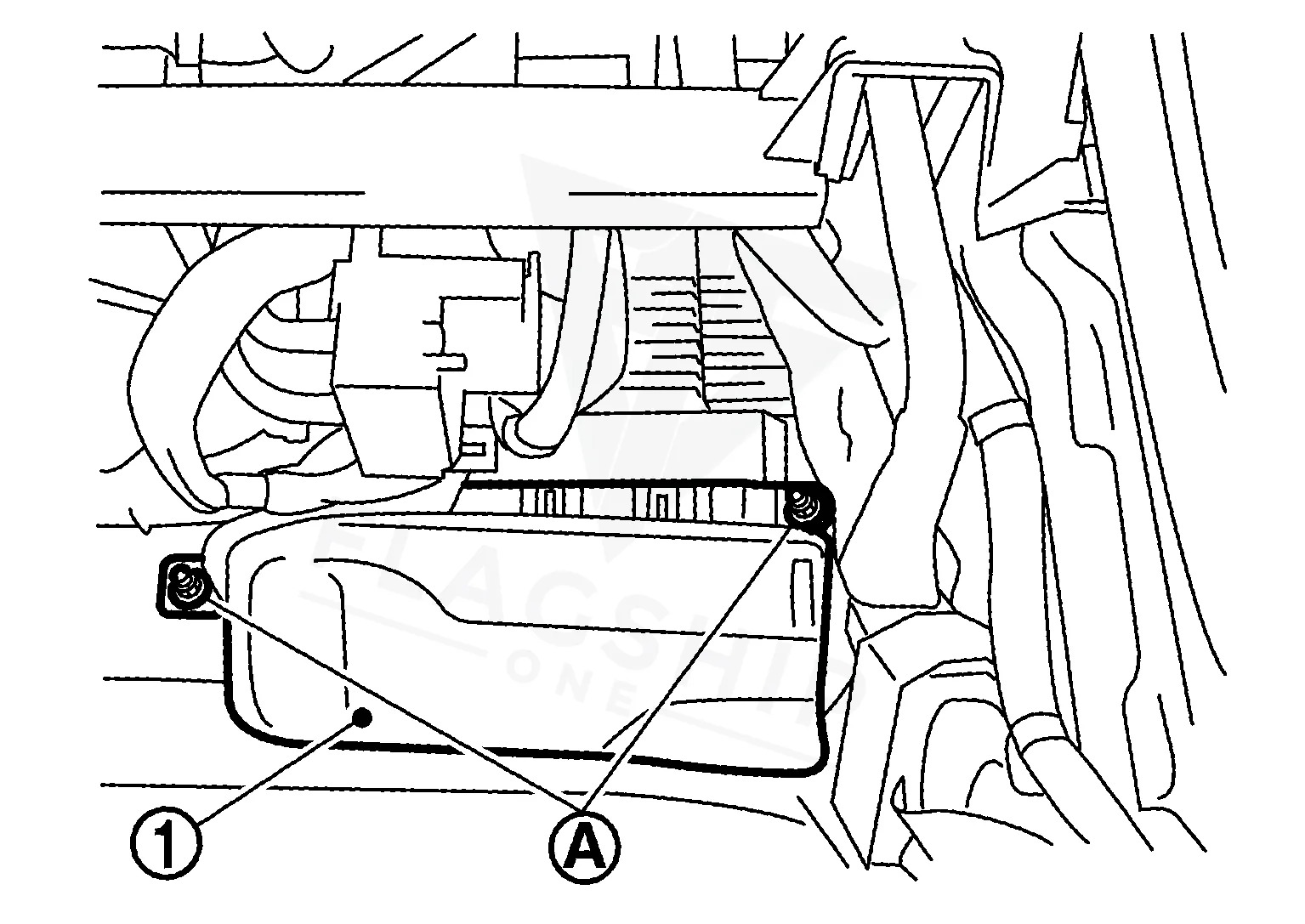
Work with the ignition off, and treat the module as static-sensitive: avoid touching the connector pins at any point.
| Operation | Configuration | Book Time |
|---|---|---|
| Powertrain Control Module Relearn | All configurations | 0.5 hr |
| Powertrain Control Module R&R | All configurations | 1.9 hr |
| Engine Control Module Reset | All configurations | 0.3 hr |
| Engine Control Module Relearn | All configurations | 0.5 hr |
| Engine Control Module R&R | All configurations | 1.9 hr |
After installing a new PCM or ECM in the 2019 Infiniti Q70, the factory service procedure calls for a specific relearn or reset process to synchronize the module with the vehicle’s existing sensors and transmission control logic. The Powertrain Control Module relearn is listed at 0.5 hours, and the Engine Control Module relearn requires 0.5 hours as well. Flagship One supplies units that arrive pre‑programmed with the vehicle identification number, so these relearn steps are already completed, eliminating the need for additional on‑site programming. a VIN-programmed replacement unit thus reduces shop time and potential for error.
A failing PCM or ECM in a 2019 Infiniti Q70 often manifests as a complete no‑start condition, where the engine cranks but does not fire. Drivers may also notice sudden stalling at low speeds, rough idle, or unexpected loss of power during acceleration. Diagnostic scans frequently reveal communication failures, and the specific fault powertrain control module fault may appear, indicating internal module error. Transmission shifting can become erratic, with harsh gear changes or failure to engage certain gears. In some cases, the check engine light flashes intermittently, and the vehicle may enter limp mode to protect itself from damage.
The following internal trouble codes are commonly logged by the 2019 Infiniti Q70 when its control modules encounter issues:
| Code | Meaning | Full Guide |
|---|---|---|
| P0605 | Internal ROM error | Full P0605 guide → |
Yes, a PCM that loses communication with sensor inputs can cause the engine to stall unexpectedly, especially under load.
The P0605 code points to an internal failure within the Powertrain Control Module, often requiring module replacement or reprogramming.
Factory guidelines recommend a relearn procedure to ensure the new PCM synchronizes with the vehicle’s existing systems, though a VIN‑programmed unit may already meet this requirement.
The labor estimate for Engine Control Module removal and reinstall is about 1.9 hours, according to the service book.
A refurbished module that meets factory specifications should not impact the vehicle’s warranty, but it’s best to confirm with the dealer.
When your 2019 Infiniti Q70 shows signs of PCM or ECM failure, you can choose between a brand‑new unit or a professionally refurbished replacement. Both options restore the vehicle’s electronic control functions, but a refurbished part from a trusted source may offer cost savings while still meeting OEM standards. Evaluate your budget and service timeline to decide which path aligns with your needs.
Flagship One stocks a refurbished, VIN-programmed PCM for the 2019 Infiniti Q70 with a lifetime warranty, free shipping and no core charge. The full Infiniti Q70 module lineup covers other engine configurations as well.
Understanding the role of the PCM and ECM in your 2019 Infiniti Q70 helps you address no‑start and shifting issues confidently. Whether you opt for a new or refurbished module, proper installation and post‑install procedures keep your vehicle reliable. Contact a qualified technician to assess the situation and choose the right solution.