
Last updated on August 25th, 2026 at 01:14 pm
The Powertrain Control Module (PCM) in your 2018 Ford Escape 2.0L acts as the vehicle’s brain, managing engine performance, fuel delivery, and transmission behavior. Failure may cause erratic operation, no-start conditions, or persistent warning lights.
If your 2018 Ford Escape 2.0L has been experiencing unexplained stalling, rough idling, or a stubborn check engine light, the Powertrain Control Module (PCM) may be the culprit. This critical component oversees everything from fuel injection timing to transmission shifts, ensuring smooth operation. When it fails, symptoms can range from subtle drivability issues to a complete no-start condition. Replacing the PCM isn’t just about swapping hardware—it involves precise programming to sync with your vehicle’s security and emissions systems. Understanding the process helps you make informed decisions, whether you’re diagnosing the issue or preparing for a repair. This guide covers what the PCM does, where it’s located, the steps involved in replacement, and how to recognize failure before it leaves you stranded.
The Powertrain Control Module (PCM) in your 2018 Ford Escape 2.0L is a dual-purpose computer that manages both the engine and transmission. It processes data from sensors throughout the vehicle to optimize fuel delivery, ignition timing, and shift points, ensuring efficient performance and compliance with emissions standards. Without a functioning PCM, your Escape may struggle to start, run erratically, or even enter a fail-safe mode that limits power. The module also plays a key role in the Passive Anti-Theft System (PATS), which prevents unauthorized engine starts. When replacing the PCM, compatibility with your vehicle’s specific hardware and software is critical. A mismatched or improperly programmed unit can lead to further issues, including communication errors or security system lockouts. For this reason, replacement engine computers for the Escape are designed to match the original equipment specifications, reducing the risk of post-installation complications.
2018 Ford Escape 2.0L
OEM programmed ECM for your 2018 Ford Escape 2.0L — plug & play, no dealer visit.
Free shipping · Lifetime warranty
In the 2018 Ford Escape 2.0L, the PCM is mounted on the passenger side of the engine compartment, near the firewall. Accessing it requires removing the engine cover and possibly disconnecting nearby components like the air intake duct or battery terminal for clearance. The replacement process is straightforward but requires care to avoid damaging connectors or wiring. According to factory labor estimates, removing and reinstalling the PCM typically takes 0.8 hours. This includes disconnecting the electrical connectors, unbolting the module, and securing the new unit in place. No specialized tools are required beyond a basic socket set and a torque wrench to ensure the mounting bolts are tightened to specification. Once installed, the module must be programmed to recognize your vehicle’s VIN and security system, a step that adds complexity if not handled by a pre-programmed unit.
Work with the ignition off, and treat the module as static-sensitive: avoid touching the connector pins at any point.
| Operation | Configuration | Book Time |
|---|---|---|
| Powertrain Control Module R&R | 1.5L | 0.8 hr |
| Powertrain Control Module R&R | 2.0L | 0.8 hr |
| Powertrain Control Module R&R | 2.5L | 0.8 hr |
| Engine Control Module Relearn | All configurations | 0.5 hr |
| Engine Control Module R&R | 1.5L | 0.8 hr |
| Engine Control Module R&R | 2.0L | 0.8 hr |
| Engine Control Module R&R | 2.5L | 0.8 hr |
After replacing the PCM in your 2018 Ford Escape 2.0L, the factory procedure requires reprogramming the Passive Anti-Theft System (PATS) to sync the new module with your vehicle’s security features. This step is critical—without it, the engine may crank but fail to start, or the security light may flash continuously. The process typically involves using Ford’s diagnostic equipment to rewrite the VIN and security codes into the new PCM. However, if you install a VIN-programmed replacement unit, these steps are already completed, saving you time and potential frustration. The relearn procedure alone can add 0.5 hours of labor, so opting for a pre-programmed module streamlines the repair and reduces the risk of errors during the reprogramming process.
A failing PCM in your 2018 Ford Escape 2.0L can manifest in several ways, often mimicking other mechanical or electrical issues. One of the most common signs is a no-start condition, where the engine cranks but refuses to fire. This may be accompanied by a flashing security light, indicating a PATS-related fault. Other symptoms include rough idling, hesitation during acceleration, or sudden stalling, particularly when the vehicle is warm. You might also notice the transmission shifting erratically or failing to engage gears smoothly. Onboard diagnostics may reveal communication errors, such as a lack of response from the PCM when connecting a scan tool. Trouble codes like internal control module memory checksum error often appear, signaling corruption within the module’s software or hardware. If your Escape exhibits multiple unrelated symptoms—such as misfires, shifting issues, and warning lights—it’s worth investigating the PCM as a potential cause, especially if other components have been ruled out.
This typically occurs when the Passive Anti-Theft System (PATS) isn’t properly reprogrammed to recognize the new module. The PCM must be synced with your vehicle’s security system, or the engine will remain immobilized. A VIN-programmed replacement unit eliminates this issue by arriving pre-configured for your Escape.
Driving with a failing PCM is risky. The vehicle may stall unexpectedly, lose power, or enter a fail-safe mode that limits performance. In some cases, the engine may not start at all. If you suspect PCM issues, it’s best to address them promptly to avoid further complications.
PCM failures often produce multiple unrelated symptoms, such as stalling, misfires, and transmission shifting problems. If scan tool communication is intermittent or trouble codes point to internal module faults, the PCM is likely the culprit. However, sensor or wiring issues can mimic these symptoms, so thorough diagnostics are essential.
Replacing the PCM requires basic hand tools, including a socket set for removing the mounting bolts and a torque wrench to ensure proper tightness. No specialized equipment is needed for the physical installation, but reprogramming the PATS requires Ford’s diagnostic tools unless you use a pre-programmed unit.
Disconnecting the battery may reset some temporary codes or adaptations, but it won’t address underlying PCM issues. If the module is failing, resetting it this way may temporarily mask symptoms but won’t resolve the root cause. For persistent problems, a professional diagnosis is recommended.
If your 2018 Ford Escape 2.0L is showing signs of PCM failure, you have options. A dealership repair will include a new module and factory programming, but costs can add up quickly. Alternatively, a refurbished or remanufactured replacement unit from Flagship One arrives VIN-programmed, eliminating the need for post-install reprogramming. This approach can save time and reduce the risk of errors during the repair process, making it a practical choice for many owners.
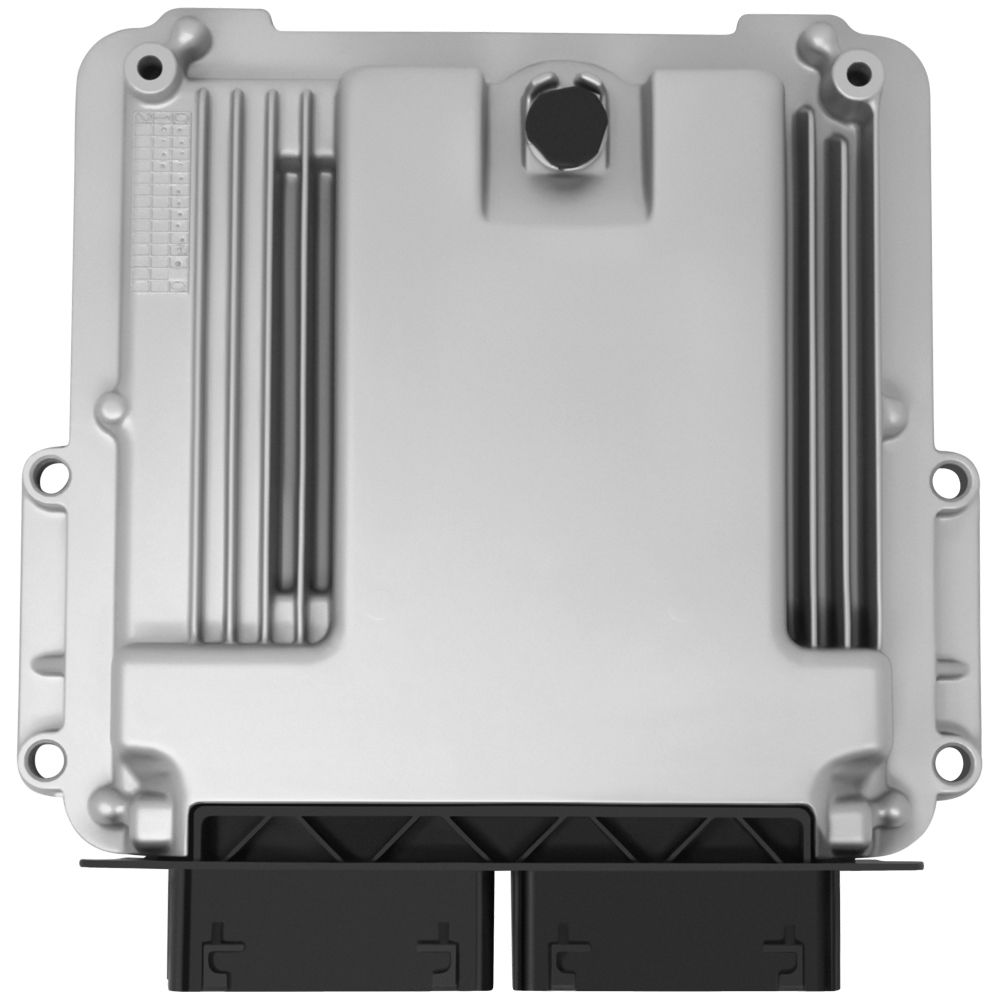
Flagship One stocks a refurbished, VIN-programmed PCM for the 2018 Ford Escape with a lifetime warranty, free shipping and no core charge. The full Ford Escape module lineup covers other engine configurations as well.
The PCM in your 2018 Ford Escape 2.0L is a critical component that ensures smooth engine and transmission operation. Recognizing the signs of failure—such as stalling, misfires, or no-start conditions—can help you address issues before they escalate. Whether you opt for a dealership repair or a pre-programmed replacement unit, understanding the process empowers you to make the best decision for your vehicle’s needs.