
Last updated on August 25th, 2026 at 02:20 pm
The engine control module (ECM) in your 2018 Chevrolet Tahoe manages fuel delivery, ignition timing, and emissions systems. Failures may cause erratic engine behavior, no-start conditions, or persistent trouble codes related to internal processor faults.
If your 2018 Chevrolet Tahoe is experiencing unexplained stalling, rough idling, or a no-start condition, the engine control module (ECM) may be at fault. This small but critical computer oversees nearly every aspect of engine operation, from fuel injection to ignition timing. When it fails, symptoms can range from subtle performance issues to complete engine shutdown. Understanding what the ECM does, where it’s located, and what replacement entails can help you make informed decisions about repairs. This guide covers the essentials of ECM replacement for your Tahoe, including labor steps, programming requirements, and common failure signs.
The engine control module in your 2018 Chevrolet Tahoe acts as the brain of the engine, continuously monitoring sensors and adjusting fuel, air, and spark to optimize performance and emissions. It ensures smooth operation under all driving conditions, from cold starts to highway cruising. A failing ECM may cause the engine to run poorly or not at all, as it can no longer accurately process sensor data. Replacing it requires installing replacement engine computers for the Tahoe, which must be programmed to match your vehicle’s specific configuration. Without proper calibration, the new module won’t communicate with the rest of the vehicle’s systems, leading to further issues.
In the 2018 Chevrolet Tahoe, the ECM is mounted on the engine side of the left front wheelhouse, behind the wheel liner. To access it, you’ll need to remove the wheelhouse liner, which protects the module from moisture and debris. The ECM is secured to a bracket with two bolts, each requiring 80 lb-in of torque during reinstallation. The factory labor time for removing and replacing the ECM is 0.6 hours. After installation, the module must undergo a relearn procedure, which typically takes an additional 0.5 hours. Proper torque on the bracket bolts is critical to prevent vibration or misalignment, which could lead to connection issues.
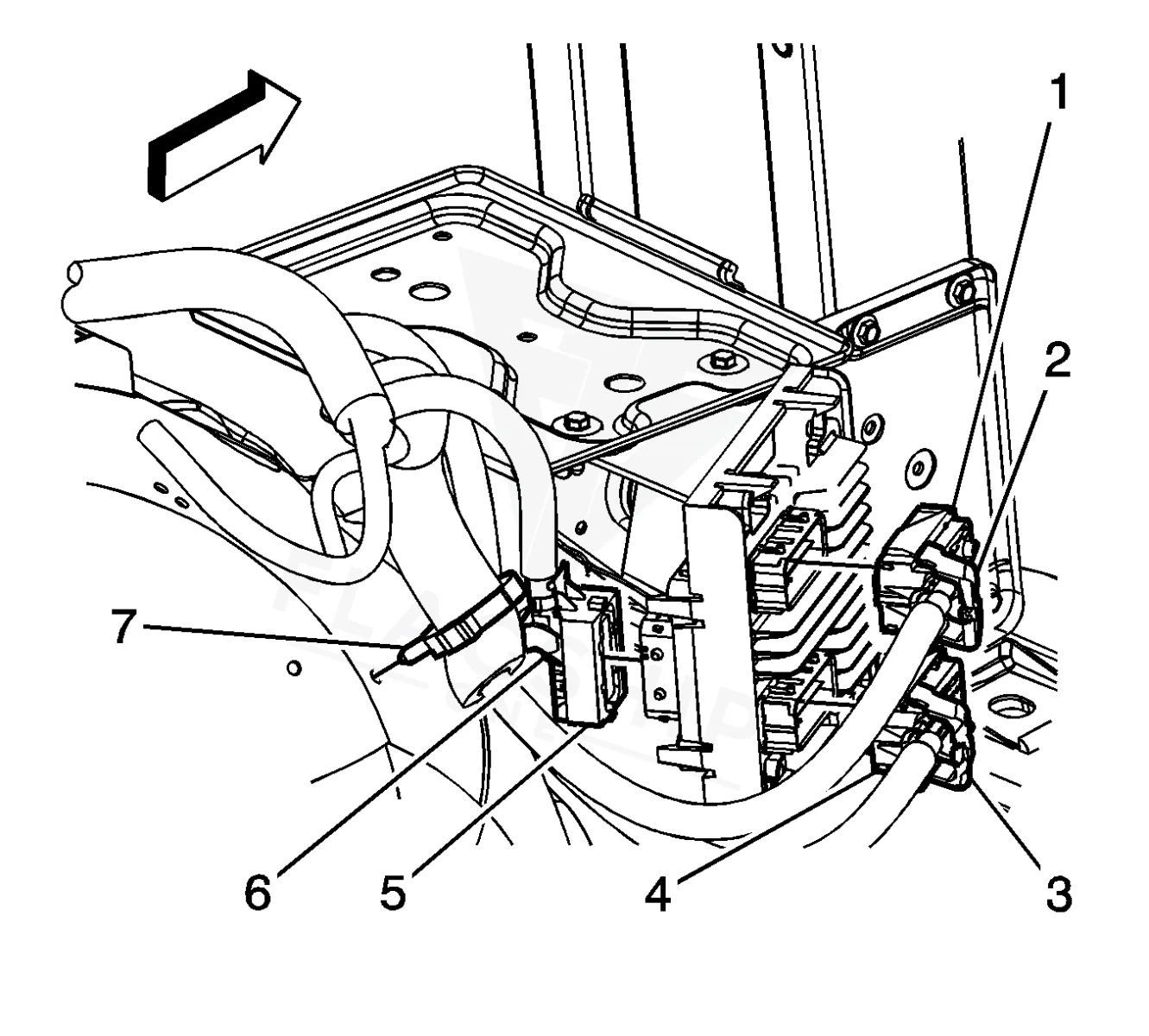
Work with the ignition off, and treat the module as static-sensitive: avoid touching the connector pins at any point.
| Operation | Configuration | Book Time |
|---|---|---|
| Powertrain Control Module R&R | All configurations | 0.6 hr |
| Powertrain Control Module Relearn | All configurations | 0.5 hr |
| Engine Control Module R&R | All configurations | 0.6 hr |
| Engine Control Module Relearn | All configurations | 0.5 hr |
| Engine Control Module Reset | All configurations | 0.3 hr |
2018 Chevrolet Tahoe
OEM programmed ECM for your 2018 Chevrolet Tahoe — plug & play, no dealer visit.
Free shipping · Lifetime warranty
After replacing the ECM in your 2018 Chevrolet Tahoe, the module must be programmed with your vehicle’s VIN and calibration data. This ensures it communicates correctly with the transmission, body control module, and other systems. The factory procedure requires capturing ECM data before removal and performing a relearn process afterward, which may take up to 0.5 hours. However, if you install a VIN-programmed replacement unit, these steps are already completed, saving time and reducing the risk of programming errors. Always verify that the replacement module matches your Tahoe’s engine and model year to avoid compatibility issues.
A failing ECM in your 2018 Chevrolet Tahoe may cause a variety of symptoms, often mimicking other engine or electrical problems. Common signs include intermittent stalling, rough idling, or a complete no-start condition. You might also notice the check engine light illuminating, with codes pointing to internal module faults, such as an internal control module memory error. In some cases, the vehicle may enter a reduced-power mode to prevent further damage. If the ECM loses communication with the scan tool, it may indicate a complete failure. These symptoms can worsen over time, so addressing them promptly can prevent more extensive repairs.
The 2018 Chevrolet Tahoe’s ECM can log several internal trouble codes when it begins to fail. These codes typically indicate faults within the module’s memory, processor, or communication circuits. Identifying them early can help diagnose ECM issues before they lead to more severe problems.
| Code | Meaning | Full Guide |
|---|---|---|
| P0601 | Internal memory checksum error | Full P0601 guide → |
| P0602 | Control module programming error | Full P0602 guide → |
| P0603 | Keep-alive memory (KAM) error | Full P0603 guide → |
| P0604 | Internal RAM error | Full P0604 guide → |
| P0606 | Module processor failure | Full P0606 guide → |
| P0607 | Module performance fault | Full P0607 guide → |
| P060A | Module-internal fault | — |
| P062B | Module-internal fault | — |
| P062F | Internal EEPROM error | Full P062F guide → |
| P0630 | Module-internal fault | Full P0630 guide → |
General Motors has issued service bulletins addressing ECM programming and calibration issues for the 2018 Chevrolet Tahoe. Bulletin #PIP5373B covers programming errors E4491 and E4423, which may occur during module updates. Another bulletin, #17-NA-242, provides information on changes to the Service Programming System (SPS) that warn or prohibit reprogramming a module with its current calibration. These bulletins highlight the importance of following factory procedures when replacing or updating the ECM to avoid potential errors.
| Bulletin | Subject | What It Addresses |
|---|---|---|
| — | Program ECM Error E4491/E4423 – (Jun 11, 2018) | — |
| — | Information on Changes to SPS that Warn/Prohibit Reprogramming a Module With Its Current Calibr | — |
The relearn procedure ensures the new ECM synchronizes with your vehicle’s transmission, body control module, and other systems. Without it, the module may not communicate properly, leading to performance issues or fault codes. The process typically takes about 0.5 hours and is required even if the module is pre-programmed.
A P0606 code indicates an internal ECM processor fault, which may cause erratic engine behavior or stalling. While the vehicle might still run, driving with this code risks further damage or a no-start condition. It’s best to address the issue promptly to avoid being stranded.
Replacing the ECM involves removing the wheelhouse liner and unbolting the module bracket, which requires basic mechanical skills. However, the module must be programmed to your VIN before installation, which typically requires a dealership or professional shop. If you’re not comfortable with electrical systems or programming, it’s best to have the work done by a professional.
If your 2018 Chevrolet Tahoe is showing signs of ECM failure, you have options for repair or replacement. While a dealership may offer a new module, a refurbished or remanufactured unit can provide a cost-effective alternative without sacrificing reliability. Ensure any replacement ECM is programmed to your vehicle’s VIN to avoid compatibility issues. For those comfortable with DIY repairs, following factory torque specifications and relearn procedures is critical to a successful installation.
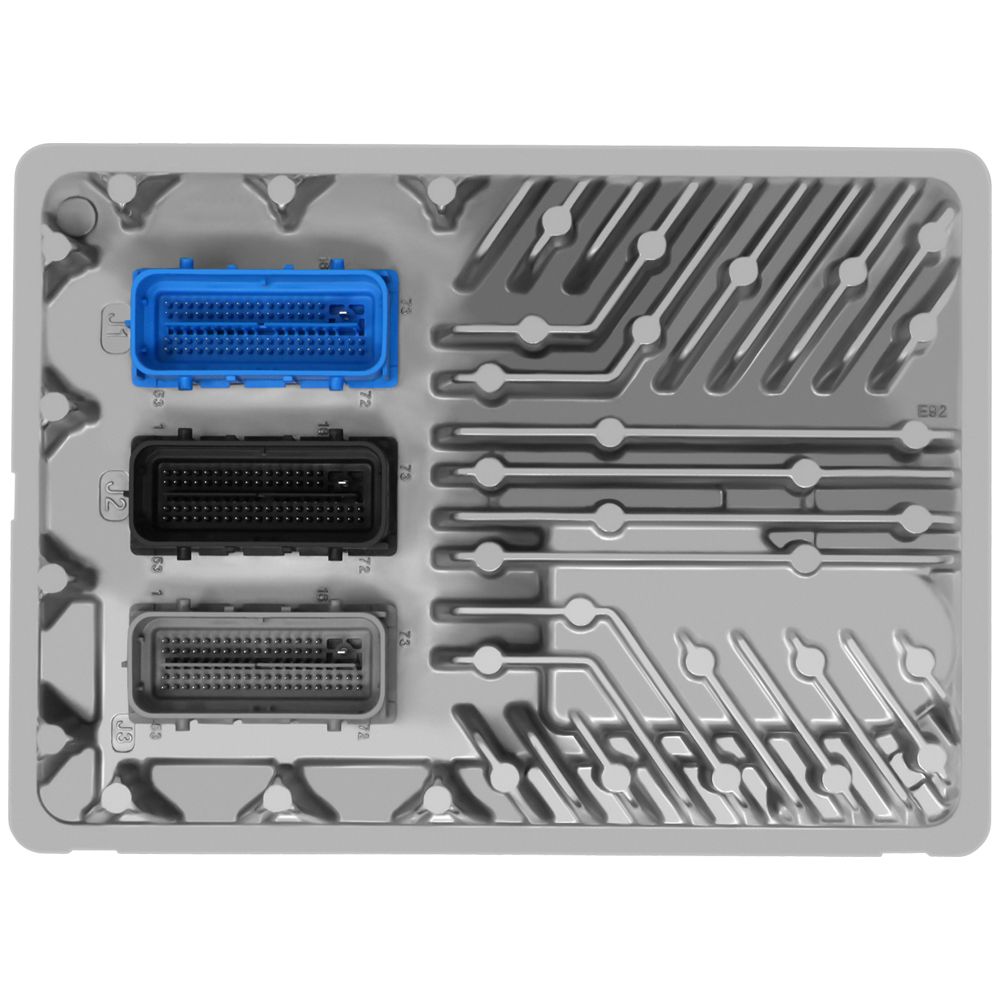
Flagship One stocks a refurbished, VIN-programmed PCM for the 2018 Chevrolet Tahoe with a lifetime warranty, free shipping and no core charge. The full Chevrolet Tahoe module lineup covers other engine configurations as well.
The engine control module in your 2018 Chevrolet Tahoe plays a vital role in keeping your vehicle running smoothly. If you’re experiencing symptoms like stalling, no-start conditions, or internal fault codes, the ECM may be the culprit. Understanding the replacement process, programming requirements, and common failure signs can help you make informed decisions about repairs. Whether you choose to tackle the job yourself or leave it to a professional, addressing ECM issues promptly can save time and prevent further complications.